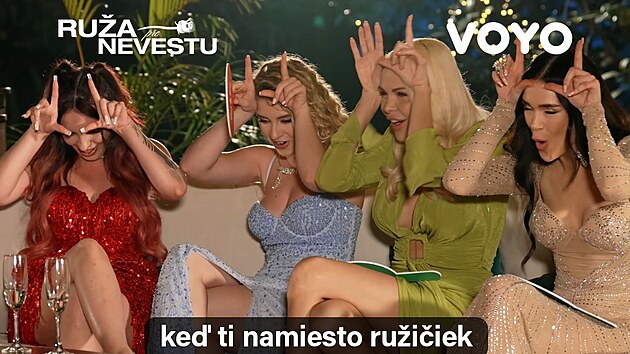
The latest season of the Slovak reality television display Ruža pre nevestu (The Rose for the Bride) is generating significant buzz, not just for its romantic entanglements but also for the controversies swirling around its bachelor, Adrián Chabada, and connections to prominent figures like politician Boris Kollár. The show, which premiered in 2026, has quickly grow a talking point across the region, with reports detailing alleged financial dealings and a lifestyle steeped in the opulence of Dubai. This season appears to be diverging sharply from its Czech counterpart, offering a more dramatic and unreserved portrayal of relationships and social dynamics.
Chabada, a businessman based in Dubai, is at the center of the unfolding drama. The show’s premise revolves around a group of women vying for his affection, but the narrative has expanded to include scrutiny of his business dealings and social circle. Reports suggest that the backdrop of Dubai, a city known for its luxury and nightlife, is being used as more than just a scenic location; it’s becoming a testing ground for the contestants and a source of intrigue for viewers. The season has already seen accusations fly and relationships tested, setting the stage for a potentially explosive finale. The show’s producers seem to be leaning into the drama, showcasing a level of candor rarely seen in reality television.
Adrián Chabada: Life in Dubai and Allegations of a Lavish Lifestyle
Adrián Chabada’s life in Dubai is a key element of the show’s appeal. He describes Dubai as a city offering a high quality of life, characterized by consistent sunshine and a vibrant social scene. According to Chabada, he typically spends his days in meetings with clients and colleagues, navigating the business landscape of the United Arab Emirates. As reported by Odzadu.sk, he enjoys the favorable weather, noting that the last rainfall he experienced was in April 2024. However, the portrayal of Dubai extends beyond the idyllic, with discussions emerging about the city’s less-publicized aspects, including the presence of escort services.
The show’s exploration of Dubai’s nightlife and the potential for encounters with escorts has added a layer of controversy. Chabada openly addressed these topics in an interview with Markíza, acknowledging the realities of the city’s after-dark scene. This willingness to discuss sensitive subjects has drawn both criticism and attention to the show, positioning it as a more provocative and unfiltered take on the reality dating format. The inclusion of these elements raises questions about the ethical boundaries of reality television and the portrayal of social issues.
Boris Kollár’s Involvement and Financial Connections
The involvement of Slovak politician Boris Kollár has added another dimension to the unfolding drama. Reports indicate that Kollár allegedly sent money to Luisa, a contestant on a previous season of Ruža pre nevestu. According to Odzadu.sk, this occurred while both were hospitalized at the same facility, and followed an incident involving a nurse that led to a staff strike. Luisa recounted the story in a podcast, describing how Kollár’s situation sparked unrest among hospital employees, ultimately leading to the closure of her gastroenterology department.
The details surrounding Kollár’s financial assistance to Luisa remain somewhat unclear, but the incident has fueled speculation and criticism. The timing of the alleged payment, coinciding with the hospital strike, has raised questions about potential motivations and the influence of political figures on healthcare institutions. This connection has drawn scrutiny to Kollár’s personal life and his interactions with individuals associated with the reality television show. The incident highlights the intersection of politics, celebrity, and public perception in Slovak society.
Contestant Dynamics and the Pursuit of Romance
Beyond the controversies surrounding Chabada and Kollár, the show continues to focus on the dynamics between the contestants vying for Chabada’s attention. REFRESHER.cz reports that the contestants represent a diverse range of backgrounds, including entrepreneurs, students, and artists. The competition is fierce, with each woman attempting to capture Chabada’s heart and secure a place in his life. The show’s producers have emphasized the emotional intensity of the competition, showcasing moments of vulnerability, conflict, and budding romance.
The introduction of a “black rose” – a symbol of elimination – adds a dramatic element to the proceedings, creating tension and uncertainty among the contestants. New arrivals continue to shake up the established dynamics, introducing fresh perspectives and challenging existing relationships. The show’s format encourages strategic gameplay and emotional displays, as the women navigate the complexities of finding love in the public eye. The producers are clearly aiming to create a compelling narrative that keeps viewers engaged and invested in the outcome.
Dubai as a Character in the Show
The city of Dubai itself has emerged as a significant character in Ruža pre nevestu. The show’s producers are leveraging the city’s reputation for luxury, extravagance, and a fast-paced lifestyle to create a visually stunning and emotionally charged backdrop for the romantic drama. The opulent hotels, pristine beaches, and vibrant nightlife serve as a constant reminder of the stakes involved and the potential rewards for the winning contestant. The leverage of drones to capture aerial footage of Dubai further enhances the show’s visual appeal and emphasizes the city’s grandeur.
However, the show also hints at the darker side of Dubai, acknowledging the presence of issues such as escort services and the potential for exploitation. This nuanced portrayal of the city adds a layer of complexity to the narrative, challenging viewers to consider the social and ethical implications of the show’s setting. The contrast between the glamorous facade and the underlying realities of Dubai creates a compelling tension that drives the storyline forward.
Comparison to the Czech Version
The Slovak version of Ruža pre nevestu is being contrasted with its Czech counterpart, which is perceived as more cautious and reserved. Expres.cz notes that the Slovak edition is more willing to tackle controversial topics and showcase unfiltered emotions, while the Czech version maintains a more traditional approach to reality dating. This difference in tone and content reflects cultural nuances and varying expectations of reality television in the two countries.
The Slovak show’s willingness to address sensitive issues and embrace drama has resonated with viewers, generating significant social media buzz and media coverage. The Czech version, while still popular, has been criticized for being too tame and lacking the emotional intensity of its Slovak counterpart. This comparison highlights the evolving landscape of reality television and the growing demand for more authentic and provocative content.
As the season progresses, viewers can expect further revelations and dramatic twists. The show’s producers have promised to continue pushing boundaries and exploring the complexities of love, relationships, and social dynamics. The next development to watch will be the continued fallout from the allegations surrounding Boris Kollár and the impact of Dubai’s lifestyle on the contestants’ choices. Ruža pre nevestu is shaping up to be a captivating and controversial season, offering a glimpse into the lives of those seeking love in the spotlight.
Key Takeaways:
- The Slovak version of Ruža pre nevestu is proving more dramatic and controversial than its Czech counterpart.
- Bachelor Adrián Chabada’s life in Dubai and the city’s lifestyle are central to the show’s narrative.
- Politician Boris Kollár’s alleged financial connection to a former contestant has sparked controversy.
- The show is exploring themes of wealth, power, and the ethical boundaries of reality television.
Stay tuned for further updates on Ruža pre nevestu as the season unfolds. Share your thoughts and predictions in the comments below!
Keep reading