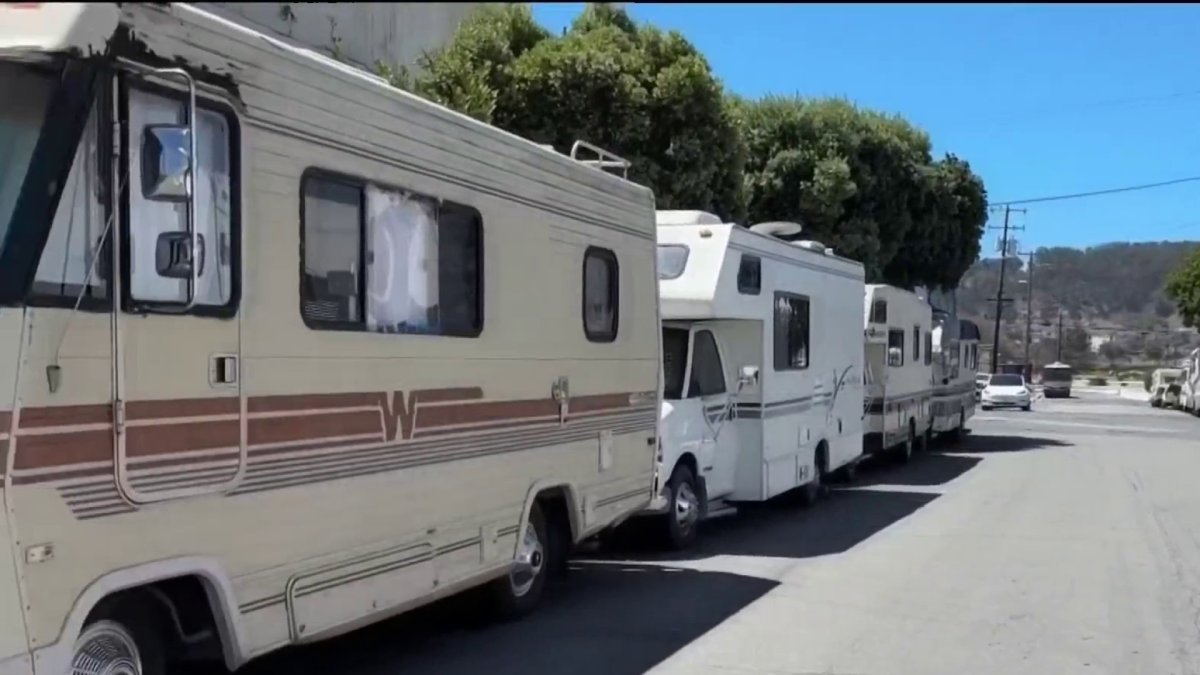
San Francisco officials continue to grapple with the persistent presence of recreational vehicles (RVs) and camper vans serving as long-term housing on city streets, a situation that remains a focal point of municipal policy and public debate. While the city has implemented various strategies to manage vehicle encampments, the practice of using RVs as primary residences remains prevalent in several neighborhoods, with data indicating that this segment of the unhoused population often faces significant barriers to accessing traditional shelter services.
According to the San Francisco Department of Homelessness and Supportive Housing, the city’s most recent Point-in-Time Count identified hundreds of individuals living in vehicles, a demographic that requires specialized outreach efforts. The presence of these vehicles, often clustered in industrial areas or near parklands, has sparked ongoing discussions regarding public health, safety, and the city’s legal obligations to provide housing alternatives under the Homelessness Response System.
Regulatory Framework and Enforcement Challenges
The city’s approach to managing RV encampments is governed by a complex set of local ordinances and state regulations. San Francisco has historically utilized parking enforcement and signage to restrict the duration that vehicles can remain in specific locations. However, these enforcement efforts are frequently complicated by legal challenges and the practical reality that towing or removing vehicles does not resolve the underlying issue of homelessness for the occupants.
In recent years, the San Francisco Municipal Transportation Agency (SFMTA) has worked in coordination with social service providers to offer resources to those living in vehicles. This “service-led” approach prioritizes connecting individuals with case management, mental health support, and, when available, placement into transitional housing or navigation centers. Despite these efforts, the demand for stable housing consistently outstrips the supply, leaving many residents to remain in their vehicles for extended periods.
Demographic Trends and Socioeconomic Factors
Data regarding the demographic composition of those living in vehicles in San Francisco suggest that the population is diverse, reflecting broader trends within the city’s unhoused community. While reports have noted that many residents living in RVs are members of the Latino community, city researchers emphasize that homelessness in San Francisco affects individuals across various ethnic and economic backgrounds.
The Department of Homelessness and Supportive Housing reports that economic instability, the high cost of living, and a lack of affordable housing are the primary drivers for this phenomenon. For many, a vehicle provides a level of autonomy and safety that is often perceived as preferable to the conditions found in some congregate shelters. This preference presents a challenge for city outreach workers who must balance the enforcement of street maintenance codes with the need to provide compassionate, stable solutions for vulnerable residents.
Current Initiatives and Future Outlook
San Francisco is currently exploring several initiatives to address the long-term occupancy of streets by RVs. One such strategy involves the development of designated vehicle triage centers, which offer a safe, legal place for individuals to park their vehicles while receiving intensive case management services. These centers are designed to act as a bridge, moving individuals from vehicle-based living to permanent housing solutions.
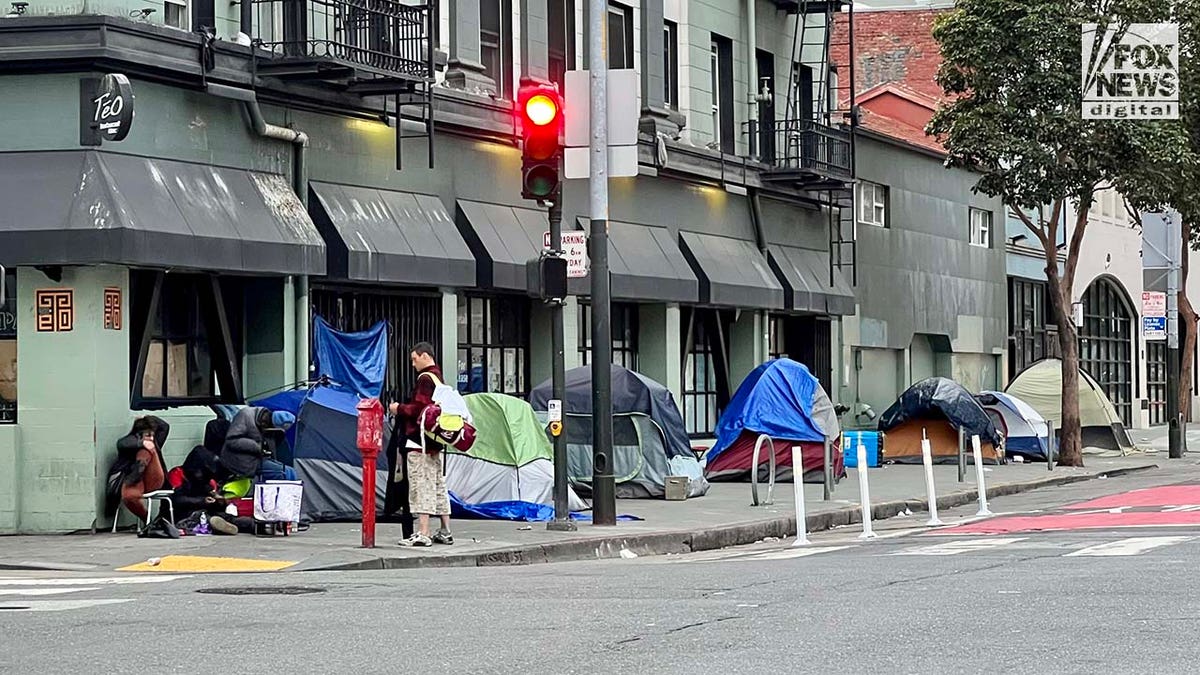
According to the Office of the Mayor, these programs are part of a broader commitment to reducing the number of people living in vehicles by expanding the city’s shelter capacity and increasing investments in permanent supportive housing. The success of these programs is measured by the number of residents transitioned into stable housing, though city officials acknowledge that the process is slow and resource-intensive.
Looking ahead, the city is expected to continue its focus on data-driven interventions. The next major update regarding the city’s progress in reducing vehicle homelessness will likely be provided during the upcoming Board of Supervisors hearings on homelessness policy. Residents and stakeholders are encouraged to monitor the city’s official portal for updates on public meetings and opportunities to provide input on future housing and service strategies.