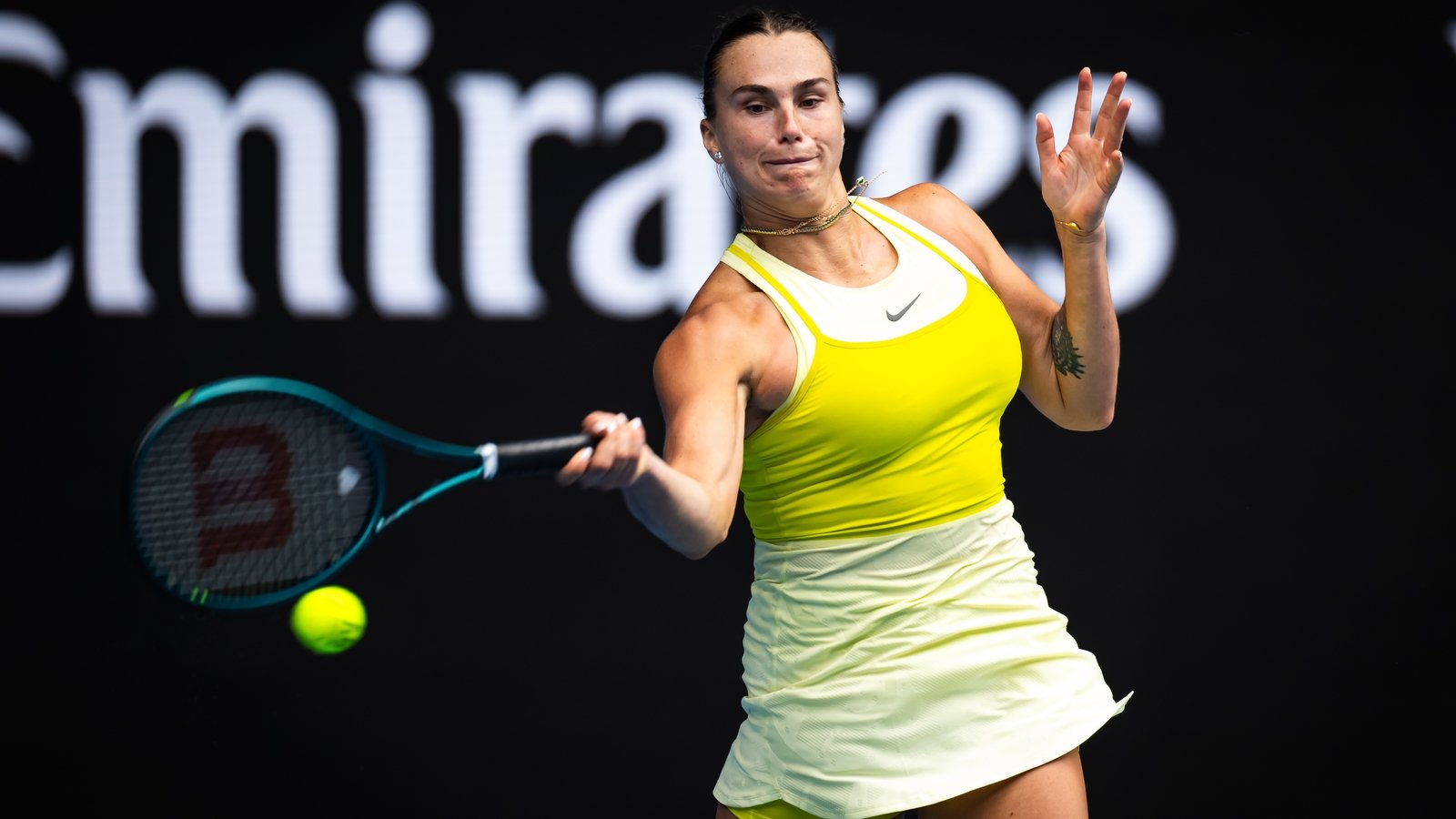
Aryna Sabalenka, the current world number one, is contemplating strategically reducing her tournament schedule in 2026, despite potential penalties from the Women’s Tennis Association (WTA). This decision stems from concerns about the demanding nature of professional tennis and the increasing prevalence of player injuries.
Under current WTA regulations, top-ranked players are expected to participate in all four Grand slam events, ten WTA 1000 tournaments, and six WTA 500 tournaments. Failure to comply can result in sanctions, including ranking point deductions and financial fines. However, Sabalenka believes prioritizing player well-being is paramount, even if it means facing repercussions.
The Demands of the WTA Tour: A Growing Concern
In 2025, Sabalenka selectively participated in WTA 500 events, competing in only brisbane, Stuttgart, and Berlin, which led to a deduction of ranking points. This wasn’t an isolated incident, as other prominent players like Iga Swiatek also faced similar penalties for prioritizing rest and recovery. The situation highlights a growing tension between tour requirements and athlete health.
Speaking after her victory over sorana Cirstea at the Brisbane international,Sabalenka expressed her concerns: The season is definitely insane,and that’s not good for all of us,as you see so many players getting injured.
She further explained her approach, stating, The rules are quite tricky with mandatory events, but I’m still skipping a couple events in order to protect my body, because I struggled a lot last season.
She acknowledged the potential for fines, adding, even though the results were really consistent, some of the tournaments I had been playing wholly sick or I’ve been really weary from overplaying. This season we will try to manage it a little bit better, even though they are going to fine me by the end of the season.
Sabalenka feels the current system is flawed, believing it prioritizes commercial interests over player welfare. But it’s tricky to do that. You cannot skip 1000 events. It’s really tricky,and I think that’s insane what they do. I think they just follow their interests, but they’re not focusing on protecting all of us.
The relentless 11-month season across both the men’s and women’s professional circuits has drawn criticism, particularly following a surge in injuries during the Asian swing last year. According to a report by the Tennis Player Association (TPA) released in November 2025, soft tissue injuries among WTA players increased by 18% compared to the previous year, directly correlating with increased match play.
The WTA responded in September, emphasizing athlete welfare as a top priority. They stated they had considered feedback from the players’ council and board representatives to refine the tour structure for 2024 and enhance player compensation. However, many players, including sabalenka, believe more ample changes are needed.
Here’s a fast comparison of WTA tour requirements and potential consequences:
| Tournament Category | Required Events | Potential Penalties |
|---|---|---|
| Grand Slams | All 4 | Ranking Point Deductions, Fines |
| WTA 1000 | 10 | Ranking Point Deductions, fines |
| WTA 500 | 6 | Ranking Point Deductions, Fines |
I’ve found that a proactive approach to scheduling, prioritizing recovery, and listening to your body is crucial for longevity in this sport. It’s a delicate balance between fulfilling obligations and preserving your physical and mental health.
Did You Know?
Aryna Sabalenka has secured four Grand Slam titles, with two victories at the Australian Open and two at the US Open, solidifying her position as a dominant force in women’s tennis.
Pro Tip
Consider incorporating regular physiotherapy, strength and conditioning, and mental wellness practices into your training regimen to mitigate the risk of injury and burnout.
What steps do you think the WTA could take to better support player well-being while maintaining the integrity of the tour? Share your thoughts in the comments below!
Ultimately, Sabalenka’s stance reflects a broader conversation within professional tennis about the need for a more sustainable and player-centric tour structure. The future of the sport may depend on finding a balance that allows athletes to thrive both on and off the court. The ongoing debate surrounding Aryna Sabalenka’s scheduling choices underscores the importance of prioritizing athlete health in the demanding world of professional tennis. finding a solution that addresses the concerns of players like Sabalenka and swiatek will be vital for the long-term health and success of the WTA tour, and the overall tennis landscape
Related reading