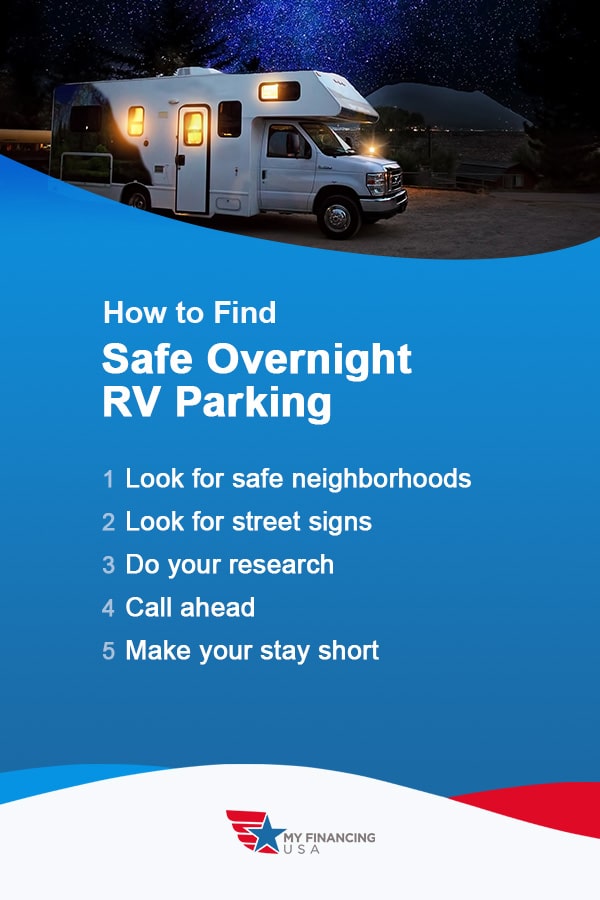
Finding a safe and legal place to spend the night is a recurring challenge for travelers navigating the United States, particularly those opting for “van life” or nomadic camping in urban environments. In the capital, the struggle to locate a secure spot for overnight parking is not merely a matter of convenience but a complex navigation of municipal codes, safety concerns, and zoning laws.
For many international visitors and domestic road-trippers, the transition from the open highways to the dense grid of Washington, D.C., can be jarring. While the city offers a wealth of cultural landmarks, the legal infrastructure for overnight vehicle stays is restrictive, leaving many to grapple with the difficulty of finding a safe and permitted place to spend the night in Washington.
This tension highlights a broader economic and social trend: the rise of the nomadic workforce and the “digital nomad” lifestyle, which often clashes with traditional urban planning. As more people trade permanent residences for mobile homes, cities are facing pressure to adapt their parking and camping ordinances to accommodate a population that does not fit into standard residential or hotel categories.
The challenge is further compounded by safety concerns. In a metropolitan area, the risk of vehicle break-ins or citations for illegal camping can turn a budget-friendly trip into a costly legal ordeal. Understanding the distinction between a “quiet” street and a “legal” parking zone is critical for anyone attempting to navigate the District’s strict enforcement landscape.
The Legal Landscape of Overnight Parking in D.C.
In Washington, D.C., the laws regarding where a person can sleep in their vehicle are stringent. Unlike some rural areas or specific “boondocking” spots in the Western U.S., the District generally prohibits camping in public parks and on public streets. The District of Columbia government maintains various regulations that categorize sleeping in a vehicle in a public space as a violation of municipal codes.
The primary hurdle for travelers is that “parking” and “camping” are viewed differently by law enforcement. While parking a vehicle on a public street for a few hours is standard, the act of inhabiting that vehicle—especially if gear is deployed outside or if the vehicle is parked in a residential zone for an extended period—can lead to citations. For those seeking a permitted location, the options are largely limited to commercial campgrounds or designated RV parks, many of which are located on the outskirts of the city rather than in the urban core.
The difficulty of finding a legal spot is often exacerbated by the city’s aggressive parking enforcement. D.C. Is known for its high density of parking meters and resident-only permit zones. For a traveler in a larger vehicle or a camper van, finding a spot that is not only legal for the duration of the stay but too physically accessible is a significant logistical hurdle.
Safety Considerations for Urban Nomads
Beyond the legality of the stay, safety remains a paramount concern. Urban centers often present risks such as theft, vandalism, and the unpredictability of nighttime activity in certain neighborhoods. Travelers are frequently advised to avoid parking in poorly lit areas or zones with high rates of opportunistic crime.
The concept of a safe spot
involves more than just a lack of crime; it involves the visibility of the vehicle and the ability to exit quickly if necessary. Many experienced travelers utilize community-driven apps and forums to share real-time data on where they have successfully spent the night without incident, though these suggestions often operate in a legal gray area.
For those unfamiliar with the city, the risk of “stealth camping”—the act of parking unnoticed in a residential area—carries the danger of being reported by local residents. In a city as densely populated as Washington, the likelihood of a neighbor calling the police to report an unfamiliar van parked overnight is high, leading to potential fines or towing.
The Economic Impact of the Nomadic Trend
The struggle to find affordable, legal overnight options is a symptom of a larger economic shift. The growth of the “van life” movement is partly driven by the rising cost of traditional housing and the flexibility afforded by remote work. This has created a new demographic of consumers who contribute to local economies through tourism and services but do not participate in the traditional hotel or rental market.
From a business perspective, this presents an opportunity for cities to develop “micro-camping” zones or designated overnight parking hubs. By creating legal, paid spaces for overnight vehicle stays, municipalities could generate revenue while reducing the number of illegal encampments and improving road safety. But, implementing such policies requires a shift in zoning laws and a willingness to integrate nomadic living into the urban fabric.
The lack of such infrastructure in Washington, D.C., means that the “hidden cost” of visiting the city in a camper is the stress of uncertainty. When travelers cannot find a permitted space, they are often forced into expensive hotels or long commutes from distant campgrounds, which can detract from the overall economic benefit of their visit to the city’s museums, restaurants, and shops.
Practical Guidance for Travelers
For those determined to visit the capital in a mobile home, the most reliable strategy is to prioritize registered campgrounds. While these may be located further from the National Mall, they provide the only guaranteed legal and safe environment for sleeping. Utilizing public transit from these outskirts into the city center is the recommended approach to avoid the risks associated with urban overnight parking.
Travelers should also be aware of the specific restrictions in different quadrants of the city. Some areas have stricter enforcement of “no overnight parking” signs than others. It is essential to read every sign in a parking vicinity, as D.C. Signage can be complex, with multiple overlapping restrictions regarding time, day, and permit requirements.
- Prioritize RV Parks: Utilize verified directories to find registered parks outside the city limits.
- Check Local Ordinances: Review the latest municipal codes on the official city portal to avoid fines.
- Avoid Resident Zones: Do not park in areas marked for residents, as these are the most likely to be reported.
- Safety First: Stick to well-lit, high-traffic areas if you must stop briefly, but avoid sleeping in these zones.
What This Means for the Future of Urban Travel
The ongoing difficulty of finding permitted overnight spaces suggests that urban infrastructure is lagging behind the evolving habits of global travelers. As the preference for flexibility and autonomy grows, the friction between “nomadic” lifestyles and “stationary” city laws will likely increase.
What happens next will likely depend on how cities choose to regulate these spaces. Some European cities have already begun experimenting with designated “overnight zones” for campers to prevent illegal parking in residential areas. If Washington, D.C., and other major U.S. Hubs follow suit, it could lead to a more sustainable and safer model for urban tourism.
Until such policies are enacted, the burden remains on the traveler to exercise extreme caution. The intersection of safety, legality, and accessibility continues to be a challenging puzzle for those attempting to explore the heart of the United States from the window of a van.
Key Takeaways for Nomadic Travelers
- Legal Risk: Sleeping in vehicles on public streets in D.C. Is generally prohibited and can lead to citations.
- Safety Priority: Urban environments pose risks of theft and vandalism; registered campgrounds are the safest option.
- Zoning Complexity: Resident-only parking and strict meter enforcement make finding “free” legal spots nearly impossible.
- Infrastructure Gap: There is a significant lack of designated urban overnight parking for the growing nomadic population.
The next critical checkpoint for travelers will be the annual review of municipal parking and zoning ordinances by the city council, which may provide insights into whether the District plans to introduce more flexible parking options for visitors. Those planning a trip should monitor official city advisories for any changes in enforcement policies.
Do you have experience navigating the challenges of urban camping in the U.S.? Share your tips or questions in the comments below to help other travelers find safe and legal paths.
Keep reading