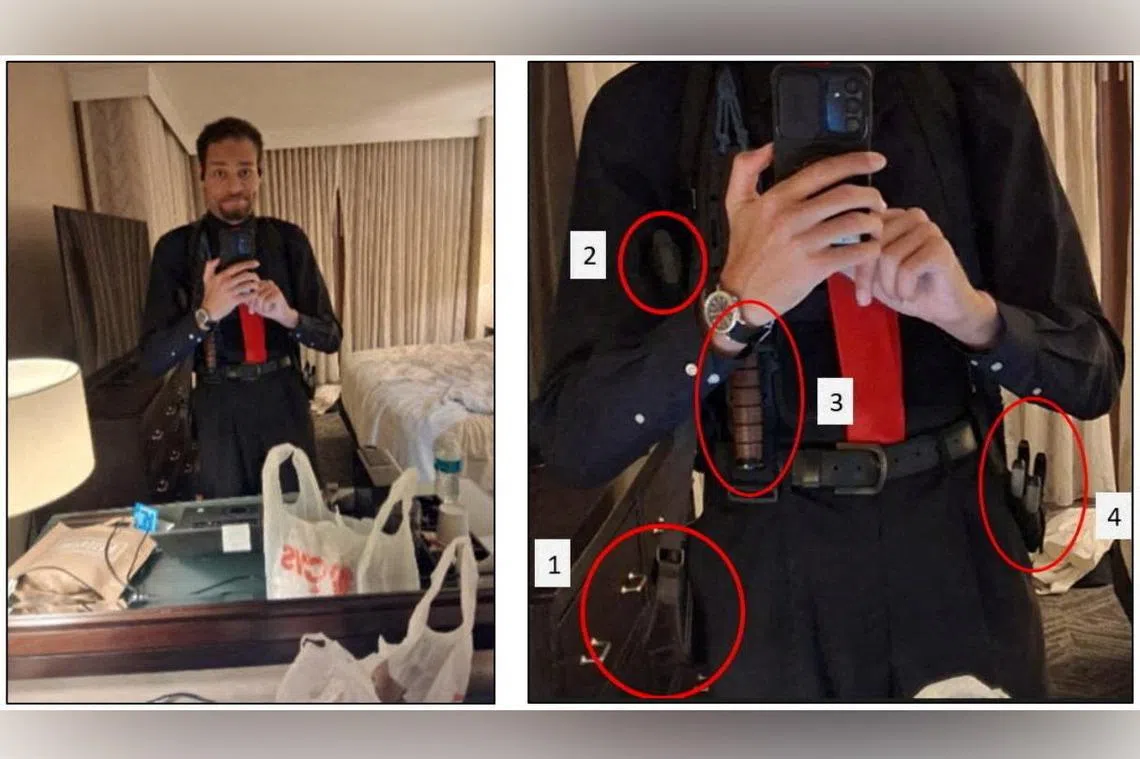
A legal battle is unfolding in the U.S. Court system as the suspect in a shooting incident involving a White House dinner event seeks the removal of strict suicide precautions. These restrictive measures, imposed by correctional authorities, have significantly limited the defendant’s ability to communicate with the outside world and maintain personal connections while awaiting trial.
The request for the end of suicide precautions comes at a critical juncture in the legal proceedings. Under the current restrictions, the suspect is prohibited from making phone calls and is barred from receiving visits from anyone other than his legal representation. Such measures are typically implemented when a facility determines a detainee poses a high risk of self-harm, but the defense now argues that these restrictions are no longer necessary or proportionate.
The case has drawn significant attention due to the high-profile nature of the setting—a White House dinner—and the security implications of a violent incident occurring in such a sensitive environment. As the legal team pushes for a modification of the detainee’s conditions, the court must balance the safety of the individual with the procedural requirements of a complex criminal case.
The Legal Challenge to Suicide Precautions
In the American carceral system, suicide precautions—often referred to as “suicide watch”—are designed to protect inmates who are deemed at risk of self-harm. However, these precautions often involve intense surveillance and the removal of items that could be used for harm, as well as the restriction of social contact to prevent emotional volatility or the coordination of harm.
The defense in this case argues that the continued application of these precautions constitutes an undue hardship. By limiting the suspect to only his legal team, the court and the facility have effectively isolated him from his support system. The legal team contends that the suspect’s mental state has stabilized and that the rigid barriers to communication are hindering his ability to prepare a comprehensive defense.
The core of the motion focuses on the right to maintain familial and social ties, which the defense suggests is vital for the suspect’s psychological well-being. When a defendant is unable to speak with family members or receive emotional support, it can lead to a deterioration of mental health, potentially creating the very risk that the precautions were designed to mitigate.
Impact on Legal Strategy and Communication
The restriction on phone calls and visits creates a challenging environment for the defense. While the legal team has continued access, the inability of the suspect to communicate with other witnesses or family members can complicate the gathering of evidence and the verification of personal history.

Legal experts note that while suicide precautions are a standard safety protocol, their prolonged use without periodic re-evaluation can be challenged in court. The defense is likely seeking a transition to a lower level of observation—such as “enhanced supervision” rather than full precautions—which would allow for limited phone access and supervised visits.
The prosecution and the facility’s administration must now determine if the risk of self-harm remains imminent. This determination usually relies on evaluations by mental health professionals and correctional officers who monitor the suspect’s behavior daily. If the court grants the motion, it would mark a significant shift in the suspect’s daily regime, moving him from a state of near-total isolation to a more normalized detention setting.
The Context of the White House Dinner Incident
The shooting incident that led to these charges took place during a White House dinner, an event characterized by extreme security protocols. The breach of such a secure environment has led to extensive investigations by federal authorities into how a weapon was introduced into the venue and who may have been complicit.
Because the event involved the executive branch’s most secure residence, the charges often include not only the violent act itself but potentially additional counts related to security breaches or threats against government officials. This elevates the stakes of the trial, as the government seeks to send a clear message regarding the sanctity of the White House grounds.
The suspect’s current legal status and the fight over his detention conditions are a prelude to a trial that will likely examine the intersection of mental health, security failures, and criminal intent. The outcome of the motion regarding suicide precautions will be a key indicator of the court’s view on the suspect’s stability and the fairness of his pretrial conditions.
Key Considerations for the Court
- Medical Evidence: The court will rely on psychological reports to determine if the suspect remains a danger to himself.
- Safety Protocols: The facility must demonstrate that it can maintain safety without the total restriction of visits and calls.
- Due Process: The defense will argue that extreme isolation may impair the defendant’s competency or his ability to assist in his own defense.
- Precedent: The judge will look at how similar high-profile suspects have been managed under suicide watch in federal custody.
What Happens Next
The court is expected to hold a hearing to review the mental health evaluations and the facility’s reports on the suspect’s behavior. If the judge finds that the risk of self-harm has diminished, the suicide precautions may be lifted or modified to allow a tiered return to standard communication privileges.
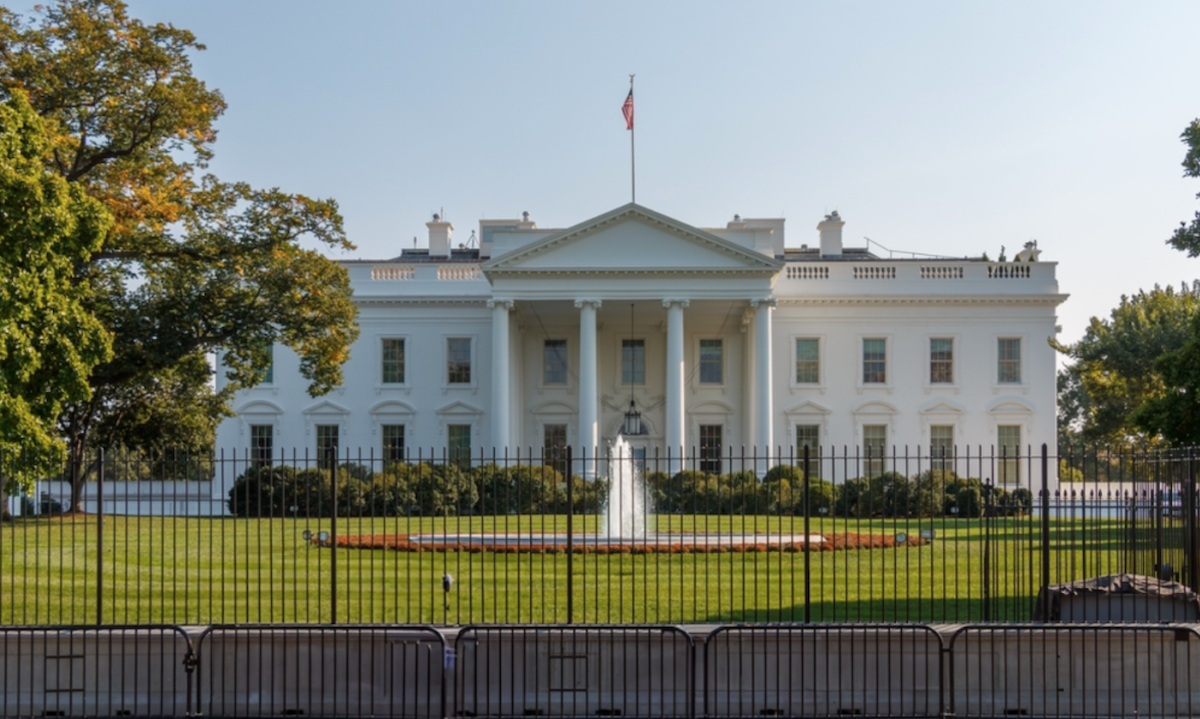
Following the resolution of this motion, the legal proceedings will move toward the discovery phase, where both the prosecution and defense exchange evidence. The focus will remain on the events leading up to the shooting and the circumstances surrounding the suspect’s presence at the White House dinner.
The next confirmed checkpoint in this case will be the scheduled hearing on the motion to end suicide precautions, where the court will rule on the suspect’s access to phone calls and visitors. We will continue to monitor the court filings for further updates on this development.
Do you believe the balance between inmate safety and the right to communication is handled correctly in high-profile federal cases? Share your thoughts in the comments below and share this article with others following the case.