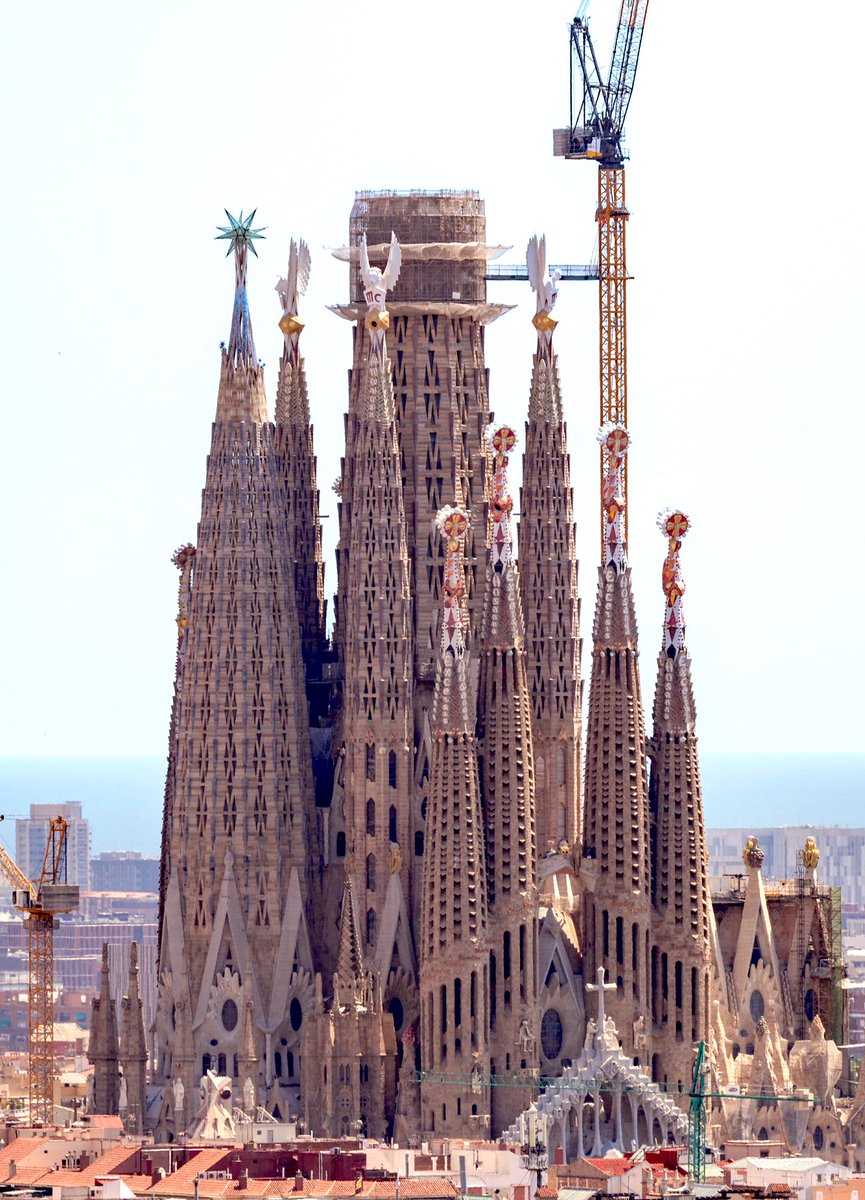
The Basílica de la Sagrada Família in Barcelona has reached a significant milestone in its construction, with the structural completion of its five central towers, including the Tower of Jesus Christ, marking a major step toward the finalization of Antoni Gaudí’s masterpiece. As 2026 approaches—the centenary of Gaudí’s death—the project is nearing the conclusion of a complex, 144-year building process that has relied on private donations and visitor ticket sales rather than public funding. According to the official project board, the focus has now shifted to the final decorative elements and the interior finishing of the basilica, which remains one of the most visited cultural landmarks in Spain.
The construction of the Sagrada Família has spanned over a century, beginning in 1882 under architect Francisco de Paula del Villar before Antoni Gaudí took over the project in 1883. Gaudí transformed the design into a complex architectural vision characterized by organic forms and intricate theological symbolism. Following his death in 1926, construction continued through the efforts of subsequent architects and engineers who worked to interpret his original models and sketches, many of which were destroyed during the Spanish Civil War. Today, the project is led by a team of architects who utilize modern digital modeling and 3D printing to maintain fidelity to Gaudí’s UNESCO World Heritage-listed design.
The Structural Significance of the Central Towers
The recent completion of the central towers represents the most substantial phase of construction in the basilica’s modern history. The Tower of Jesus Christ, which stands as the tallest point of the structure, was designed to reach a height of 172.5 meters. This height was intentionally set to remain slightly lower than Montjuïc hill in Barcelona, as Gaudí reportedly believed that his work should not surpass the hand of God, according to the Sagrada Família Foundation’s architectural documentation. The towers are constructed using high-strength tensioned stone panels, a modern engineering technique that allows for the building’s immense height while maintaining the structural integrity required for a building of this scale.

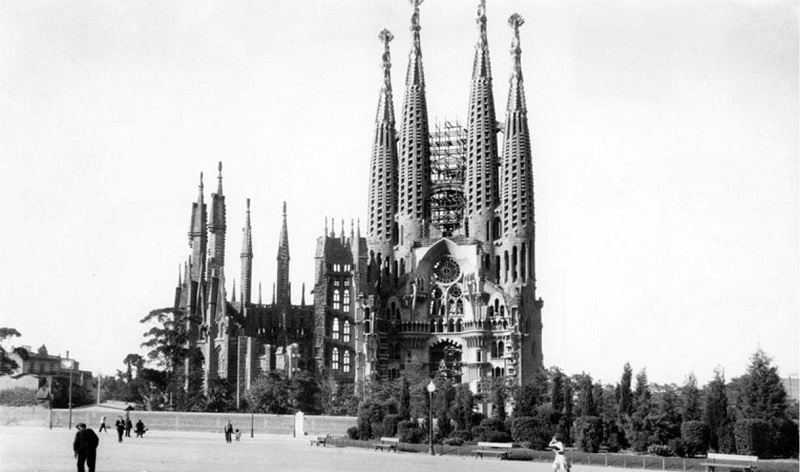
The project’s timeline has been subject to various interruptions, including the Spanish Civil War and, more recently, the COVID-19 pandemic, which halted construction for several months in 2020. Despite these delays, the board of directors has consistently reaffirmed its commitment to completing the primary structure by 2026. This date is particularly significant as it coincides with the 100th anniversary of the architect’s passing. While the central towers are complete, work on the Glory Façade—the main entrance to the basilica—remains an ongoing, multi-year endeavor that will continue past the 2026 deadline.
A Financial and Cultural Model
Unlike many other major cathedrals or state-funded monuments, the Sagrada Família is funded almost entirely through private donations and the revenue generated from visitor entrance fees. This unique funding model has allowed the construction to proceed at a pace dictated by financial viability rather than political or state budget cycles. As noted by the Reuters reporting on the 2023 milestone, the steady stream of millions of tourists visiting the site annually provides the necessary capital to sustain the specialized labor force and material costs required for the high-precision stone masonry.
The management of the site is overseen by the Junta Constructora del Temple Expiatori de la Sagrada Família, a private foundation that maintains the ethical and aesthetic standards set by Gaudí. The foundation acts as the primary authority on the building’s development, ensuring that every addition aligns with the master plan. Transparency regarding the construction progress is maintained through the annual reports published by the foundation, which detail both the financial expenditures and the technical milestones achieved during the fiscal year.
What Remains to be Done
While the exterior of the central towers is finished, the interior spaces require significant work to achieve the final aesthetic vision of the architect. This includes the installation of complex stained-glass windows, ornamental sculptures, and the completion of the Glory Façade. The architectural team continues to interpret Gaudí’s original intent through the study of surviving plaster models, which are scanned into digital software to ensure accuracy in the fabrication of new stone components. This synthesis of 19th-century vision and 21st-century technology is a hallmark of the modern construction phase.
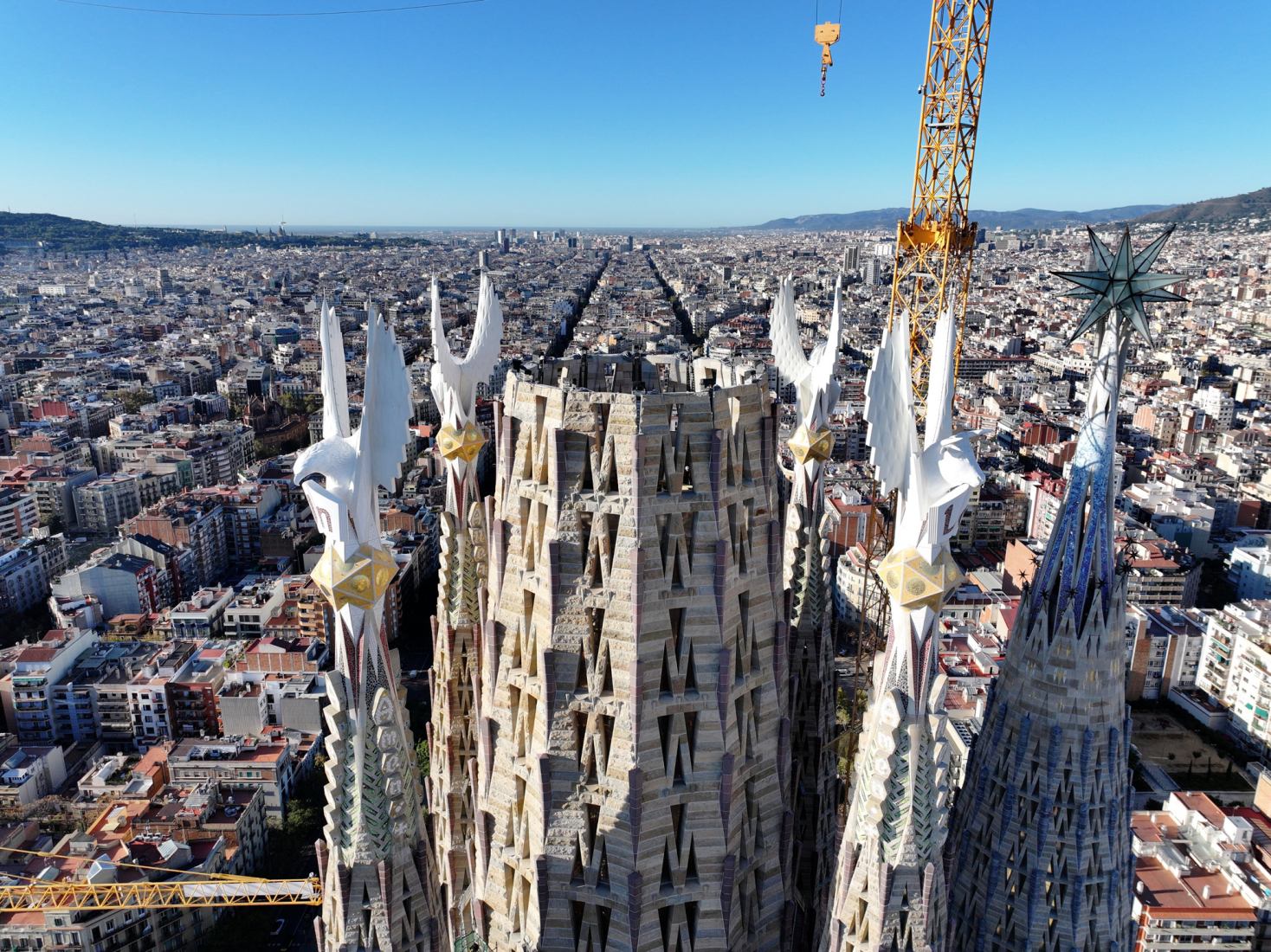
The next major public update regarding the completion timeline is expected in the foundation’s upcoming annual report, which typically outlines the project’s progress toward the 2026 centennial goal. Interested observers can monitor the official progress via the Sagrada Família official portal, which provides real-time updates and historical context regarding the ongoing construction. We encourage our readers to share their thoughts on the evolution of this historic monument in the comments section below.
Worth a look