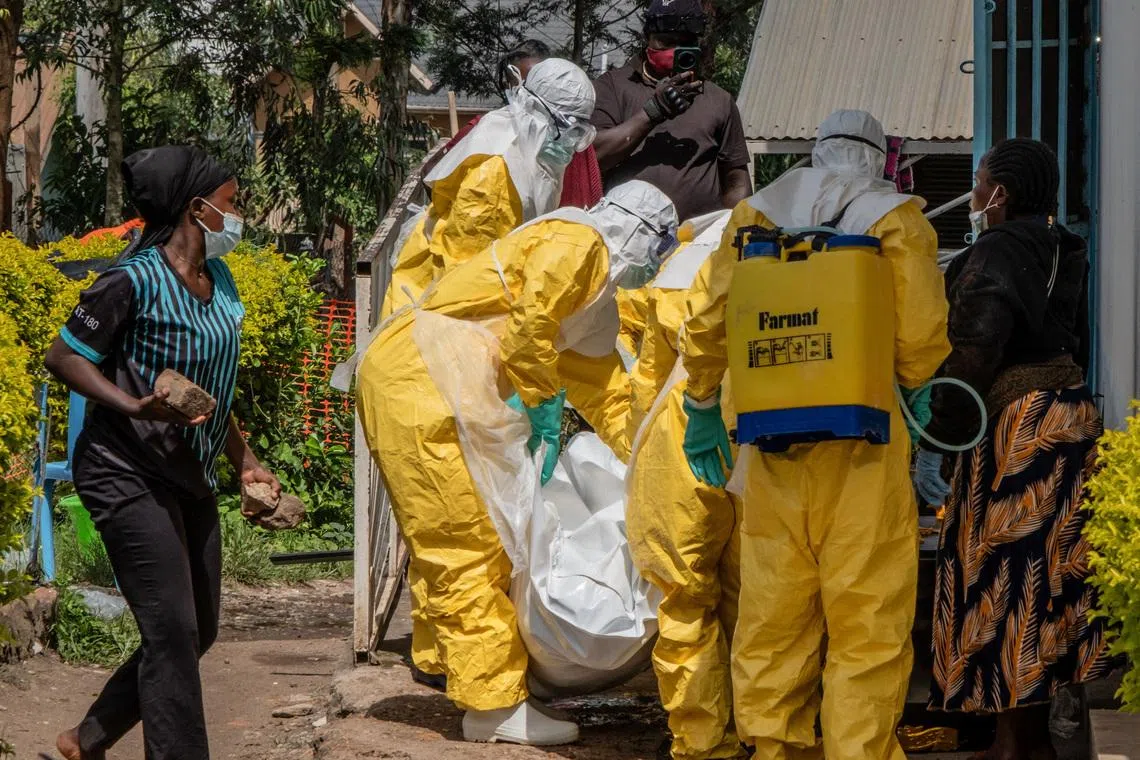
The international aid organization Samaritan’s Purse is moving to bolster medical infrastructure in the Democratic Republic of Congo (DRC) as part of an urgent response to a recent Ebola outbreak. The organization has announced plans to establish a 50-bed treatment facility in the northeastern region of the country, aiming to provide critical care capacity within the next week.
This initiative comes as health authorities and humanitarian groups coordinate efforts to contain the spread of the virus in a region historically challenged by complex logistics and security concerns. The deployment of the treatment center is designed to support local healthcare systems that face significant pressure during infectious disease emergencies.
Addressing Medical Infrastructure Gaps
The establishment of a 50-bed unit serves as a vital component in the broader strategy to isolate infected individuals and provide supportive care, which is essential for improving survival rates and preventing community transmission. Samaritan’s Purse, a Christian humanitarian organization, has historically maintained a presence in various global health crises, providing both medical personnel and equipment.
According to the World Health Organization (WHO), Ebola virus disease is a severe, often fatal illness in humans, necessitating rapid isolation and specialized care. The logistical challenge of operating in the northeastern Democratic Republic of Congo involves not only medical staffing but also the supply of personal protective equipment (PPE), sanitation facilities, and community engagement to ensure local residents seek care early.
Operational Challenges and Regional Context
Operating in the northeastern DRC requires close cooperation with the Ministry of Health and international partners. The region has frequently served as the epicenter for previous outbreaks, requiring a sophisticated, multi-layered response that includes contact tracing, vaccination campaigns, and the management of treatment centers like the one currently being prepared by Samaritan’s Purse.
For humanitarian groups, the primary hurdle remains the ability to deploy resources rapidly into remote areas. The Centers for Disease Control and Prevention (CDC) notes that effective outbreak response relies on early detection and the rapid mobilization of trained professionals to break the chain of transmission. As the organization works toward its one-week target for the unit’s opening, the focus remains on ensuring that the facility meets international biosafety standards required for managing viral hemorrhagic fevers.
Key Considerations for Response Efforts
- Rapid Deployment: The goal of opening within seven days underscores the necessity of speed in containing viral outbreaks.
- Capacity Building: 50 beds provide a necessary buffer for local health networks that might otherwise become overwhelmed by a sudden influx of patients.
- Community Trust: Success in these regions often depends on the cooperation of local leaders and the clear communication of treatment protocols.
Looking Ahead: Monitoring the Situation
The humanitarian community continues to monitor the situation in the Democratic Republic of Congo closely. Future updates regarding the status of the treatment center, patient intake, and the broader epidemiological situation are expected to be provided by the DRC Ministry of Health and international coordinating bodies. For the most current information regarding public health advisories and travel guidance, readers are encouraged to consult official updates from the WHO Regional Office for Africa.

As the situation evolves, the effectiveness of these interventions will be measured by the ability of aid groups and government agencies to curb the transmission rate. We will continue to track developments as this story unfolds. We invite our readers to share their thoughts on the role of international humanitarian aid in global health security in the comments section below.