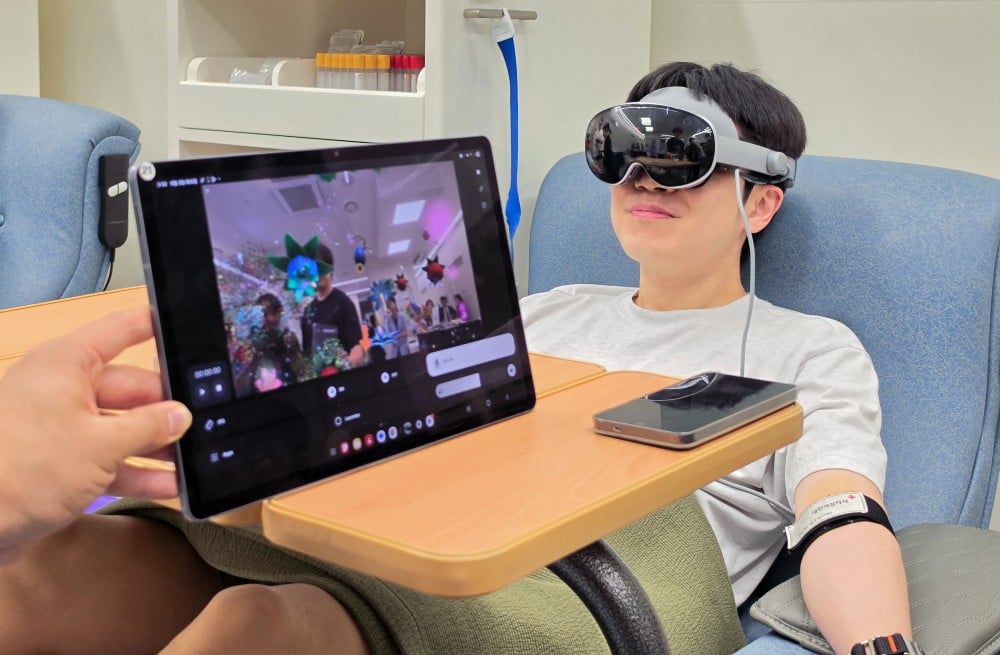
Samsung has integrated extended reality (XR) technology into blood donation procedures to improve donor comfort and reduce anxiety. By deploying the Galaxy XR headset at a pilot event in South Korea, the company, in collaboration with Abbott and the Korean Red Cross, provided an immersive, distraction-based experience for participants. This initiative represents an emerging trend in healthcare where consumer-grade immersive technology is utilized to manage patient physiological and psychological responses during routine medical procedures.
The pilot program took place on June 2, 2026, at Samsung Digital City in Suwon. According to Abbott, a global leader in medical devices and diagnostics, the event was timed to coincide with World Blood Donor Day. The project utilized the Galaxy XR to create a “Zen-like” virtual environment, allowing donors to engage with a digital landscape through eye-tracking and visual focus, eliminating the need for physical controllers or hand gestures.
Enhancing the Donor Experience Through Immersive Technology
The primary function of the Galaxy XR in this clinical setting is to provide a sensory distraction that mitigates the stress often associated with blood collection. During the Suwon pilot, donors were transported into a virtual garden. By focusing their gaze on specific virtual seeds, participants triggered the growth of flowers and trees within the digital environment. This process, which took between three and five minutes, was synchronized with therapeutic music composed in partnership with the Chicago Symphony Orchestra.

According to the Korean Red Cross, which supervised the medical aspects of the donation drive, the integration of such technology aims to broaden the donor base by addressing the common psychological barriers associated with needle-based procedures. By shifting the donor’s focus from the physical act of blood donation to an interactive, calming virtual task, healthcare providers hope to improve the overall patient experience.
Strategic Partnerships and Global Expansion Plans
The collaboration between Samsung and Abbott reflects a broader industry strategy to leverage consumer electronics for healthcare applications. While Samsung provided the hardware and software interface for the XR experience, Abbott’s involvement focuses on the clinical application and potential scalability of these immersive distractions within blood bank infrastructures. According to official company communications, both organizations are currently evaluating the success of the Suwon pilot to inform future rollouts.
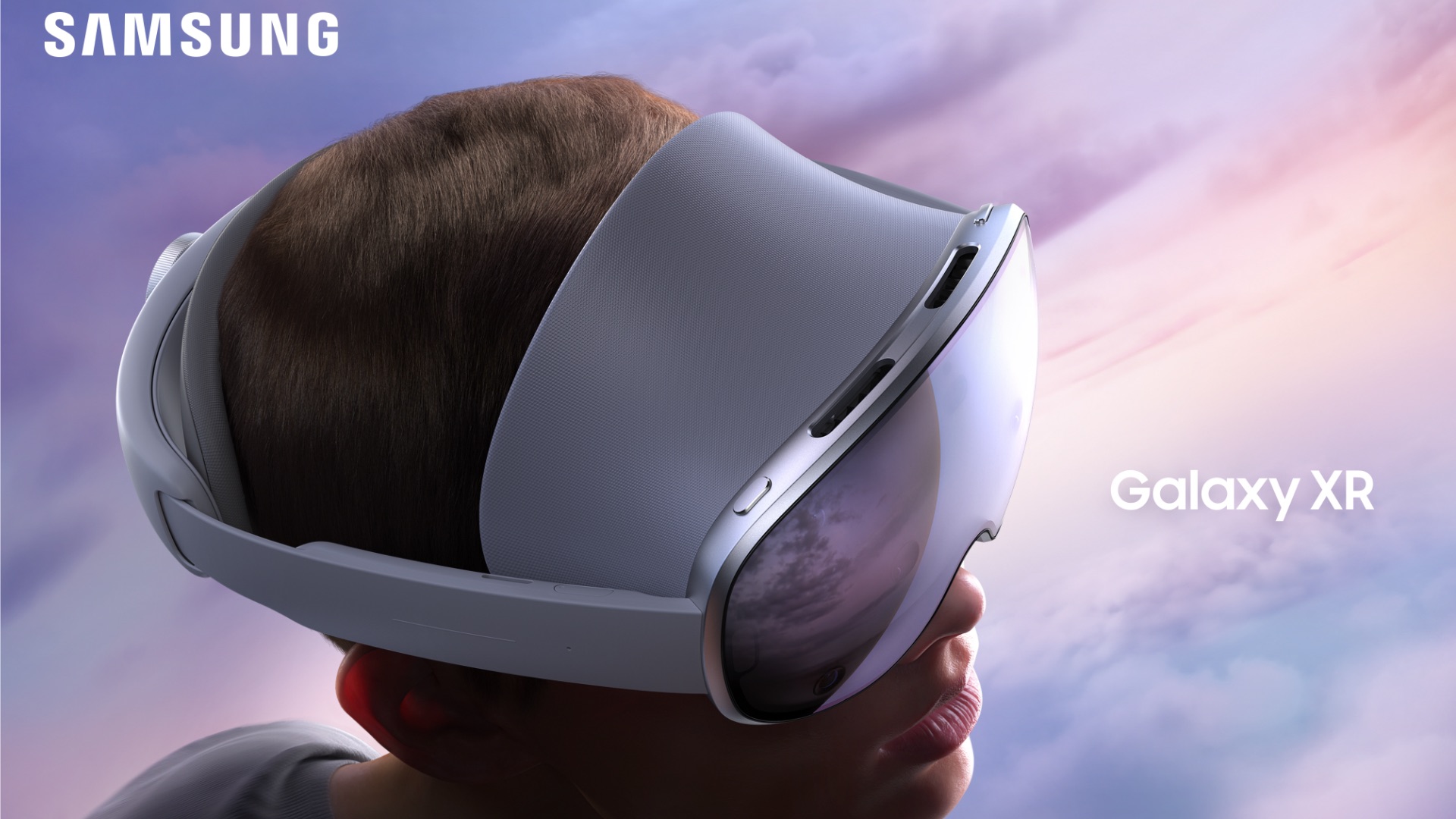
The companies have announced plans to expand the use of XR-assisted donation programs to major global events in the United States and Malaysia. This geographic expansion is intended to test the feasibility of the technology across different healthcare regulatory environments and cultural contexts. The goal remains to standardize the use of immersive distraction as a tool for healthcare professionals, aiming to decrease donor drop-off rates and improve the efficiency of blood collection centers.
Understanding the Role of XR in Medical Distraction
The use of immersive technology in medicine is not limited to blood donation. Various clinical studies have explored how virtual reality (VR) and extended reality (XR) can assist in pain management and anxiety reduction. By providing a high-fidelity visual and auditory environment, these systems can modulate the brain’s perception of pain and stress. The “visual interaction” model used in the Galaxy XR, which relies on gaze-based navigation, is particularly useful in medical settings where the patient’s physical movement is restricted by medical equipment or the need to remain still.
As these technologies move from experimental phases to practical, large-scale deployments, the focus remains on the validation of patient outcomes. According to industry reports on health technology, the effectiveness of XR is measured by a reduction in reported anxiety scores and the physiological monitoring of donors during the procedure. The partnership between a major tech manufacturer like Samsung and a healthcare entity like Abbott signifies a shift toward integrating digital wellness tools directly into professional medical workflows.
What Happens Next for XR in Healthcare
The next phase for this project involves data collection from the upcoming activations in the United States and Malaysia. Samsung and Abbott have not yet released a specific schedule for these international deployments, though stakeholders expect further announcements following the review of the Suwon pilot’s performance metrics. Healthcare professionals interested in the implementation of these tools can monitor updates through official Abbott and Samsung corporate news channels.

If you have participated in an XR-assisted medical procedure or are a healthcare provider interested in these developments, share your thoughts in the comments below. Stay tuned to our technology section for future updates on the global rollout of these immersive medical solutions.
- Google Earth Pulls AI Deepfake Tool After Just One Day Amid Trust Concerns
- Fronti & Bastian: Two Brain Cells, One Bench Comedy Project
- Donate Blood & Win a Trip to Barcelona: August 21, 2026 (archynewsy.com)
- Katarzyna Chrzanowska Opens Up About Her Husband’s Tragic Death and Her Own Near-Death Experience (world-today-news.com)