Samsung Fridges Now Display ads: A Sign of Things to Come for Smart Homes
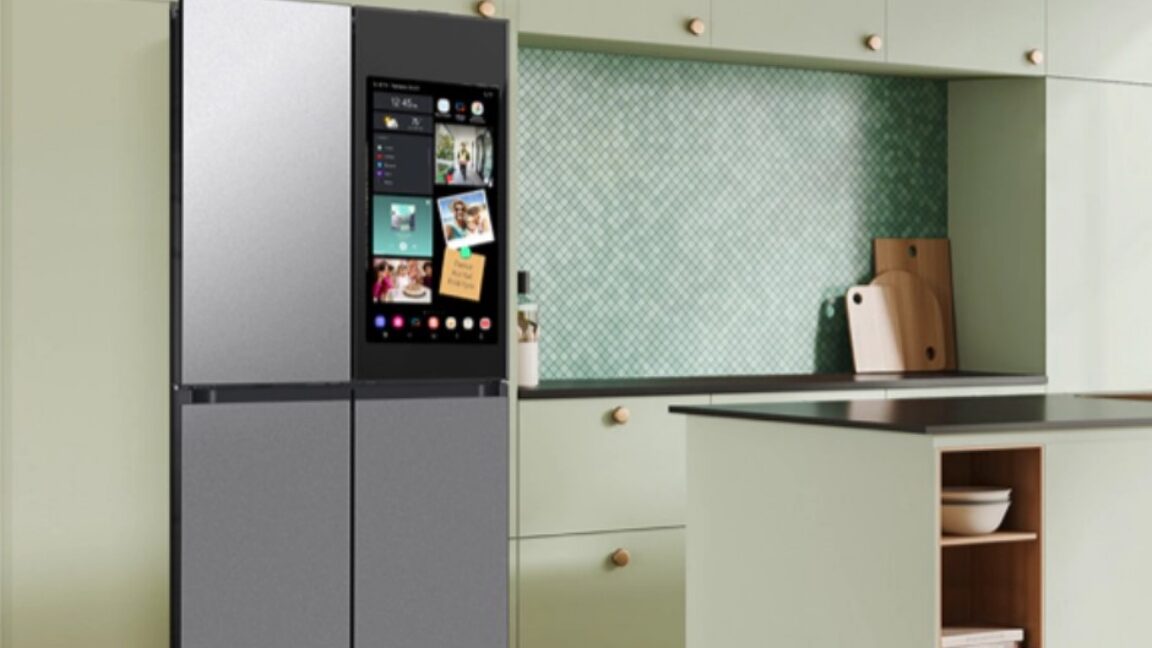
Samsung is testing advertisements on the screens of its smart refrigerators,sparking debate about the future of connected appliances and user privacy. This move highlights a growing trend: tech companies seeking new revenue streams from devices you already own. Its a shift that’s raising concerns among consumers who purchased these appliances for convenience, not commercial interruptions.
The Rise of In-home Advertising
You might have noticed a proliferation of screens on everyday appliances. These screens, initially intended to enhance functionality, are now becoming potential advertising platforms. Samsung’s pilot program is a clear indication of this direction.
Some observers predicted this shift, noting Samsung’s increasing focus on screen-equipped products over simpler, more repairable designs. However, many users are understandably frustrated by the prospect of seeing ads while cooking or simply gathering in the kitchen.
Why the Change? Recurring Revenue is Key
Tech companies are increasingly reliant on advertising for ongoing income. Large appliance purchases are infrequent for most households. Therefore, recurring revenue models, like advertising, are becoming more attractive. Expect this trend to continue as manufacturers explore new ways to monetize their products.
What Are Your Options?
Samsung states you can avoid ads by setting your fridge screen to display photos or artwork. However, this limits the functionality you paid for. Alternatively, disconnecting your fridge from the internet will eliminate the ads. But, you’ll also lose access to features like meal planning, recipes, and shopping lists.
The Disconnect Problem
Interestingly, many smart appliance owners haven’t even connected their devices to the internet. Statistics reveal a significant disconnect rate. Less than half of LG’s smart appliances were online as of 2023.
This reluctance stems from privacy concerns, technical hurdles, and simple indifference. Samsung’s move could further discourage users from connecting their appliances,creating a challenge for companies seeking to leverage user data and ad revenue.
Privacy and the Smart Home
The debate over in-home advertising underscores broader privacy concerns surrounding connected devices. Many users are wary of how their data is collected and used. this hesitation, combined with technical limitations, presents obstacles for appliance manufacturers.
A Deterrent to Connectivity
Samsung’s decision serves as a stark reminder of how easily tech companies can transform your smart appliances into billboards. This realization may make potential buyers think twice before embracing a fully connected home.
Ultimately, the future of smart appliances hinges on finding a balance between innovation, functionality, and user privacy. The current path, however, suggests that advertising will play an increasingly prominent role.