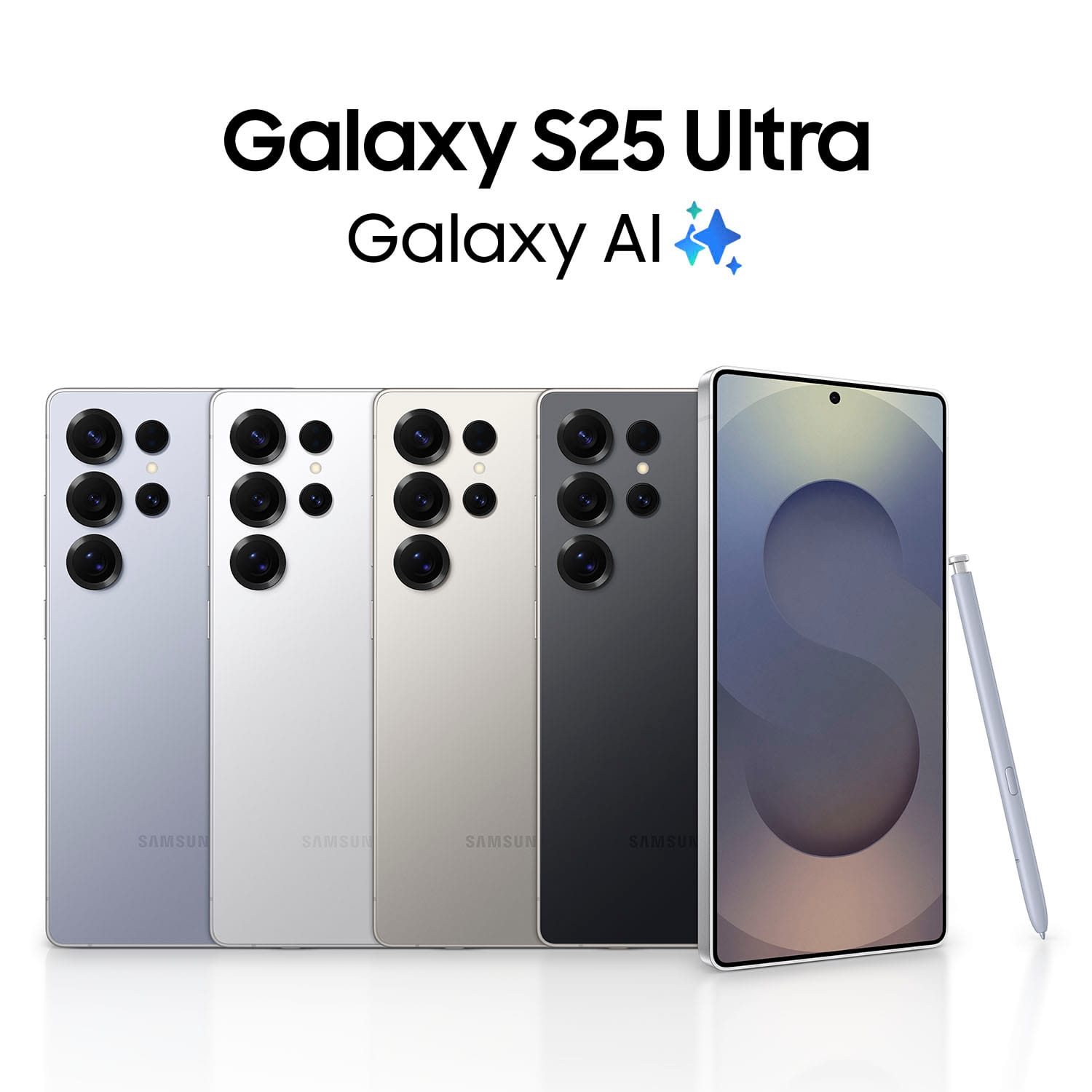
The Samsung Galaxy S25 Ultra is currently appearing in market listings for approximately €775, a price point that positions the former flagship as a high-value contender in the mid-2026 smartphone market. For consumers seeking premium hardware without the premium price tag of the latest generation, this significant discount represents a major shift in the device’s lifecycle value.
As flagship smartphone prices continue to climb toward the €1,400 mark, a sub-€800 price for an Ultra-series device changes the math for many buyers. While the current S26 series occupies the top tier of Samsung’s lineup, the S25 Ultra’s hardware remains highly relevant, particularly for users who prioritize specialized features like the integrated S-Pen and advanced telephoto optics.
This price drop suggests a maturing market for the S25 series, likely driven by the rollout of the S26 series and a broader push to clear inventory. For those navigating the choice between a high-end mid-range device and a previous-generation flagship, the €775 price point makes the S25 Ultra one of the most potent value propositions in the Android ecosystem right now.
Why is the Samsung Galaxy S25 Ultra seeing such a significant price drop?
The reduction of the Samsung Galaxy S25 Ultra to the €775 range follows a predictable pattern in the mobile industry: the “post-launch plateau.” Typically, when a manufacturer introduces a new flagship—in this case, the Galaxy S26 series—the previous year’s model undergoes a rapid depreciation. This is not necessarily a reflection of declining quality, but rather a strategic move to capture the “value flagship” segment of the market.
By mid-2026, the S25 Ultra has moved out of its primary release cycle. Retailers and carriers often utilize these price cuts to transition their inventory, making it an ideal window for buyers who are not obsessed with having the absolute latest chip architecture. The current discount effectively bridges the gap between the mid-range Galaxy A-series and the ultra-premium S-series, offering a level of build quality and processing power that mid-range devices simply cannot match.
Furthermore, the stabilization of the software ecosystem plays a role. As the S25 Ultra has received several major Android and One UI updates since its early 2025 debut, its performance is now well-documented and stable. For many users, a “settled” device is more attractive than a brand-new one that may still be ironed out through initial software patches.
How does the S25 Ultra’s hardware hold up in 2026?
To determine if the €775 investment is sound, we have to look at the core specifications that defined this device. At its launch, the S25 Ultra was built around the Snapdragon 8 Gen 4 chipset, a processor that brought significant leaps in NPU (Neural Processing Unit) performance. In 2026, this chip remains more than capable of handling demanding tasks, from high-end mobile gaming to complex multitasking.
The hardware highlights that continue to drive the S25 Ultra’s relevance include:
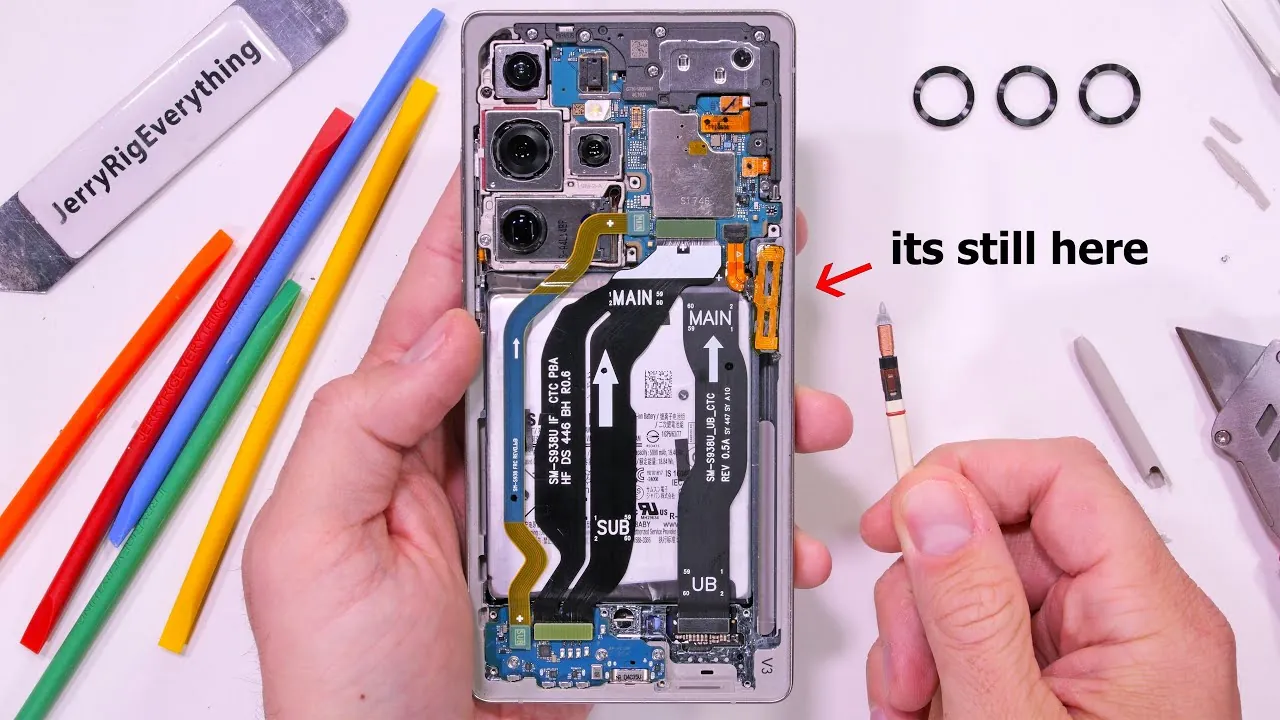
- Display Excellence: The Dynamic AMOLED 2X display remains a benchmark for brightness and color accuracy, offering a high refresh rate that makes scrolling and gaming feel fluid.
- The S-Pen Experience: Unlike the base S25 or S26 models, the Ultra remains the only choice for users who require the integrated stylus for note-taking, precise photo editing, or remote camera control.
- Camera Versatility: The 200MP main sensor and advanced periscope telephoto lens provide a level of optical zoom and detail that mid-range competitors struggle to emulate.
- Build Quality: The use of titanium in the frame provides a premium, durable feel that resists the wear and tear of daily use better than the aluminum frames found in cheaper alternatives.
From a technical standpoint, the S25 Ultra’s NPU architecture was specifically designed to facilitate the “Galaxy AI” suite. Even in 2026, these AI-driven features—such as real-time translation, generative photo editing, and advanced search capabilities—remain central to the Samsung user experience and do not feel outdated.
Is the Galaxy S25 Ultra still the best value flagship?
When deciding whether to spend €775 on an S25 Ultra, consumers must weigh it against two distinct categories: the current-gen flagships and the high-end mid-range devices. The S26 Ultra offers the latest incremental improvements in processing and perhaps a slightly more efficient modem, but those gains often come at a cost that is double or triple the price of the S25 Ultra.
Comparing the S25 Ultra to a mid-range device like the Galaxy A57 (a common 2026 comparison) reveals a clear divide. While an A-series device might offer a newer battery or a slightly larger screen, it lacks the computational photography, the premium titanium build, and the specialized S-Pen utility of the Ultra. For a user who views their phone as a primary productivity tool, the jump to the S25 Ultra is often the more logical financial decision.
The following table provides a quick comparison of where the S25 Ultra sits in the current market landscape:
| Feature | Galaxy S25 Ultra (€775) | Mid-Range Flagship (e.g., A-Series) | Current Flagship (S26 Ultra) |
|---|---|---|---|
| Build Material | Titanium & Gorilla Glass | Aluminum & Plastic | Next-Gen Titanium |
| Stylus Support | Integrated S-Pen | None | Integrated S-Pen |
| Camera System | Professional Grade (200MP) | Standard Triple Camera | Enhanced AI-Optics |
| Value Index | High (Premium for Less) | Moderate (Budget-Focused) | Low (Cutting Edge) |
Who should skip the S25 Ultra for the S26?
While the €775 price is enticing, it is not the right choice for every user. There are specific segments of the market that would be better served by waiting or investing in the latest technology.
The “Cutting Edge” Enthusiast: If you are someone who requires the absolute maximum efficiency for long-term longevity—planning to hold a phone for five or six years—the newer chipset in the S26 series may offer a more significant buffer against future software demands. The marginal gains in battery life and thermal management found in the newest silicon can add up over a multi-year ownership period.
The AI-First User: Samsung’s AI capabilities evolve rapidly. While the S25 Ultra is highly capable, newer models often receive hardware-level optimizations specifically for the latest generative AI models. If your workflow relies heavily on the most advanced, on-device large language models (LLMs), the S26 series might offer a smoother, more integrated experience.
The Budget-Strict Consumer: If your budget is strictly under €500, even the €775 price point for the S25 Ultra is too high. In that case, looking toward the latest A-series or even refurbished older flagships remains the more fiscally responsible path.
Frequently Asked Questions
Will the S25 Ultra still receive software updates?
Yes. Samsung has committed to extended update cycles for its flagship devices, typically offering several years of major Android OS updates and security patches. Even in 2026, the S25 Ultra is well within its supported lifecycle.

Is the €775 price a permanent drop?
It is unlikely to drop significantly further without the device becoming an older, refurbished model. This price represents a “sweet spot” in the lifecycle where the device is still premium but has shed its initial enthusiast premium.
How does the battery life compare to newer models?
While the S26 series likely features more efficient power management, the S25 Ultra’s large battery capacity ensures it remains a top performer for full-day usage for the vast majority of users.
The next major checkpoint for Samsung enthusiasts will be the official announcement of the next generation of mobile hardware and potential software expansions for the Galaxy AI ecosystem, expected in early 2027. As these updates arrive, we will see how the S25 Ultra’s performance holds up against the new standard.
What do you think? Is €775 a fair price for a year-old flagship, or are you holding out for the next generation? Let us know in the comments below and share this article with anyone looking for a new smartphone.