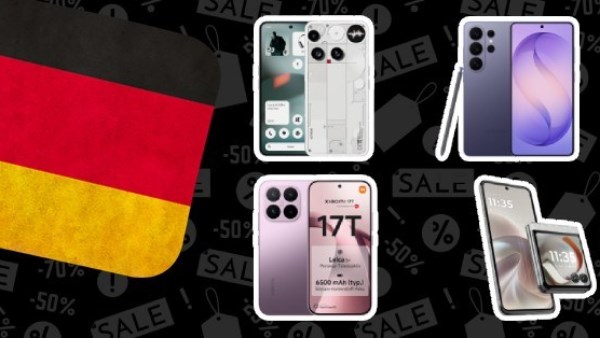
Samsung and Xiaomi are facing significant pricing shifts for their upcoming flagship smartphone series, as reports indicate sharp price drops for the Galaxy S26 and early discounts for the Xiaomi 17T. These market adjustments come as manufacturers race to integrate advanced generative AI and improve battery efficiency to maintain a competitive edge in the global premium handset market.
The Samsung Galaxy S26 series, expected to debut in early 2026, is already the subject of pricing volatility according to regional reports. While Samsung has not officially released the S26, early market indicators and retailer leaks suggest a downward trend in projected pricing to counter aggressive competition from Chinese manufacturers. Simultaneously, Xiaomi is reportedly implementing early discounts on the 17T series to capture market share ahead of the new year.
These shifts reflect a broader industry trend where hardware specifications—such as screen size and camera megapixels—are no longer the primary drivers of value. Instead, the “Ultra” designation in Samsung’s lineup is evolving to prioritize AI integration and software intelligence over mere physical dimensions, according to analysis from Samsung Magazine.
How the Galaxy S26 Ultra differs from the S25 Ultra
The transition from the Galaxy S25 Ultra to the S26 Ultra focuses on efficiency and intelligence rather than a complete redesign. According to reports from Tech World (عالم التقنية), the S26 Ultra is expected to feature significant improvements in battery speed and power management. This efficiency is tied to the adoption of next-generation chipsets that optimize how the device handles background AI processes.

A primary point of contention in early leaks is the “Ultra” branding. Samsung Magazine reports that the term “Ultra” is shifting from a description of a “giant phone” to a label for a device that maximizes AI capabilities. This includes deeper integration of generative AI that exceeds previous expectations, as noted by Dar Al Khabar, which suggests the S26 Ultra will move beyond basic task automation to more proactive user assistance.
Why are Galaxy S26 and Xiaomi 17T prices dropping?
The reported price drops for the Galaxy S26 and Xiaomi 17T are largely attributed to intense competition in the Asian and Middle Eastern markets. According to Sada El Balad, the “sharp drop” in S26 pricing is a strategic move to ensure high volume during the initial launch window. This is mirrored by Xiaomi, which has reportedly applied “first discounts” to the 17T series to undercut Samsung’s premium positioning.

Retailers in various regions, including reports from Vietnam.vn, indicate that discounts are already appearing in preliminary listings for Samsung’s upcoming hardware. This suggests that the premium smartphone market is reaching a saturation point, forcing brands to rely on pricing incentives rather than purely on feature sets to attract upgraders.
The role of AI in the 2026 smartphone cycle
Artificial Intelligence is the central pillar of the S26 strategy. According to Dar Al Khabar, the AI capabilities of the Galaxy S26 Ultra are designed to “exceed expectations,” moving toward a system that can anticipate user needs. This shift requires more efficient hardware, which explains the battery and speed optimizations reported by Tech World.
For the consumer, this means that the value proposition is shifting. Instead of paying for a larger screen or a slightly better zoom lens, the premium cost is now tied to the “intelligence” of the device. However, as Xiaomi integrates similar AI features into the 17T series at a lower price point, Samsung is pressured to lower its MSRP to prevent users from migrating to more affordable alternatives.
The impact of these price changes is most visible in the mid-to-high-end segment. By discounting the 17T series early, Xiaomi is attempting to create a “value vacuum” that pulls users away from the Galaxy ecosystem before the S26 even hits the shelves.
Comparison of Strategic Focuses
| Feature | Galaxy S26 Ultra (Projected) | Xiaomi 17T Series (Reported) |
|---|---|---|
| Primary Value | Advanced Generative AI | Aggressive Pricing/Value |
| Hardware Focus | Battery Efficiency & Speed | Rapid Market Penetration |
| Pricing Strategy | Corrective Price Drops | Early Promotional Discounts |
| Market Position | Premium Intelligence | Competitive Performance |
The next confirmed checkpoint for these devices will be the official unveiling events, typically held in the first quarter of the year for Samsung and late in the year for Xiaomi’s T-series. Consumers are advised to monitor official company newsrooms for finalized pricing and specifications.

Do you think AI features justify a premium price, or are the discounts from Xiaomi making a switch more attractive? Share your thoughts in the comments below.