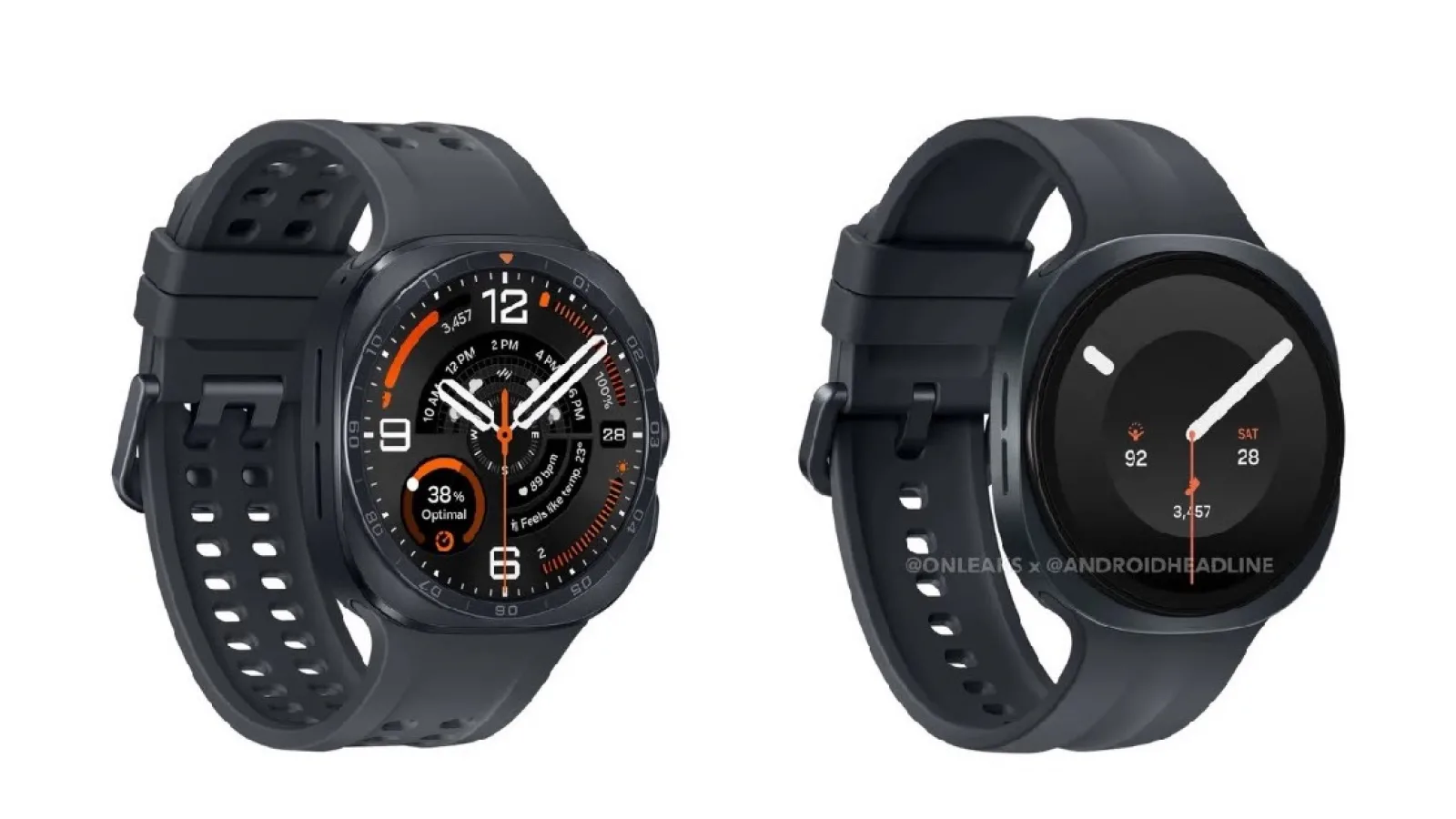
Industry reports suggest that Samsung is preparing to adjust the pricing strategy for its upcoming wearable lineup, with the Galaxy Watch 9 and Galaxy Watch Ultra 2 expected to carry higher price tags than their predecessors. While Samsung has not provided official confirmation regarding the final retail costs, recent internal updates to the company’s software ecosystem have signaled that these devices are entering the final stages of development.
The anticipated price increase reflects broader trends in the consumer electronics sector, where rising costs for advanced sensor technology and materials are frequently passed on to the end user. According to current market analysis, the Galaxy Watch series remains a primary focus for the company’s integration of health-tracking software and AI-driven features, which may justify a premium positioning in the competitive smartwatch market.
Software Updates and Ecosystem Readiness
Recent activity within the Samsung ecosystem suggests the company is accelerating its software preparation. Developers have noted that the Galaxy Wearable application has received silent updates, incorporating support for unreleased hardware models. This technical preparation is a standard procedure before a new product launch, ensuring that the software interface—likely running an iteration of the One UI Watch platform—is fully compatible with the new sensors and hardware architecture expected in the upcoming models.

The software environment, particularly the transition toward One UI 9 Watch, is reportedly nearing a testing phase. Internal tracking by industry observers indicates that Samsung could initiate beta testing for these software updates as early as this month. This timeline aligns with the usual cycle of product releases, where software refinement is finalized shortly before the hardware enters mass production.
Strategy Shifts in Design and Accessories
Beyond the hardware internals, Samsung appears to be revising its strategy regarding the aesthetic presentation of the Galaxy Watch 9 and Galaxy Watch Ultra 2. Reports indicate a pivot toward a more diverse range of colored bands and modular accessories, intended to cater to a broader demographic of users who prioritize fashion alongside utility. This move follows a period where the company focused heavily on the ruggedized performance aspects of the “Ultra” branding.
By diversifying the accessory ecosystem, Samsung aims to maintain high engagement levels among existing users while attracting new customers. The color-coordinated strap options are expected to be marketed as a central feature of the new lineup, distinguishing the upcoming models from the more utilitarian designs of previous generations. This strategy shift is designed to maintain the brand’s relevance in a market currently dominated by high-end fitness trackers and lifestyle-focused smartwatches.
Market Context and Future Developments
The decision to potentially increase pricing comes as Samsung navigates a complex global supply chain. Analysts often point to the integration of advanced health monitoring, such as non-invasive glucose tracking or improved sleep apnea detection, as factors that influence the final cost of flagship wearable devices. As of now, the company has not issued a formal press release detailing the specific price points or launch dates for these devices.

Consumers looking for the latest information on these releases should monitor official channels, such as the Samsung Newsroom, for verified announcements regarding product specifications and regional availability. The industry expects further details to emerge as the company completes its internal testing cycles. We will continue to track these developments as more information becomes available through official regulatory filings and company statements.
What are your thoughts on the potential shift in pricing for Samsung’s next-generation wearables? Join the conversation below and share your expectations for the upcoming Galaxy Watch series.