
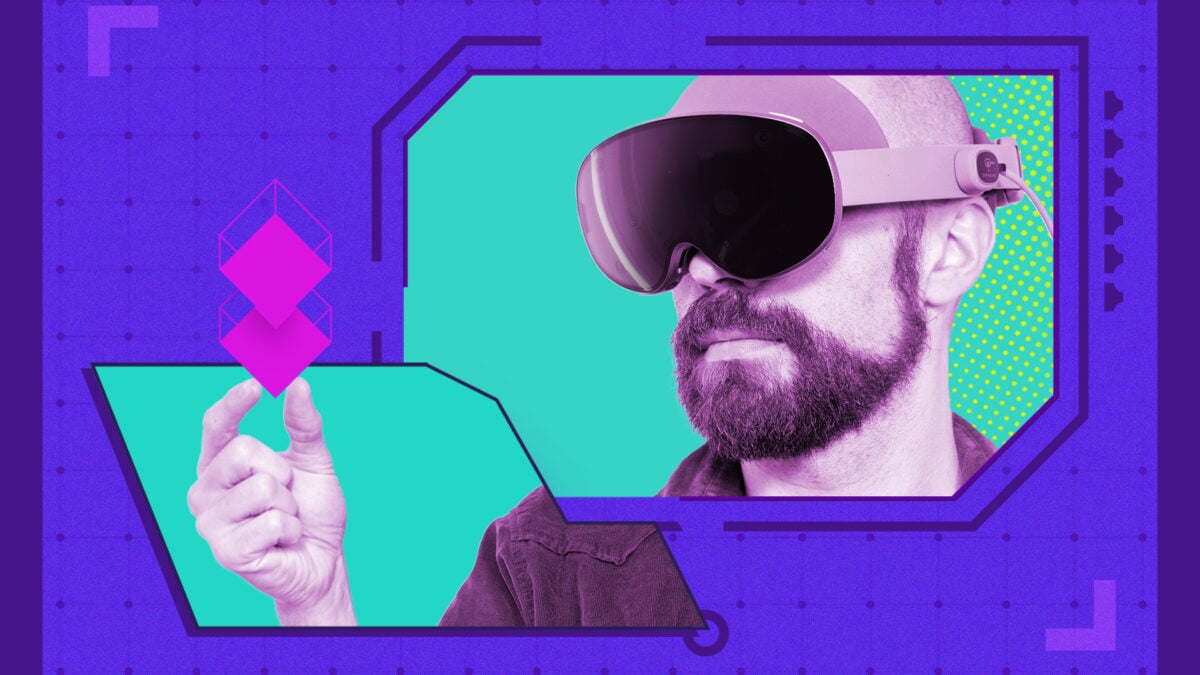
Samsung’s latest wearable innovation, the Galaxy XR, is arriving at a pivotal moment in the tech industry—one where the line between virtual reality (VR) and augmented reality (AR) is blurring, and the future of computing is shifting toward lightweight, all-day wearables. While the Galaxy XR is positioned as a high-end VR headset, industry analysts and Samsung’s own roadmap suggest it’s not the endgame. Instead, it’s a stepping stone toward a more transformative vision: AR smart glasses that could redefine how we interact with digital information in the real world.
Announced earlier this year, the Galaxy XR is already available in the U.S. And South Korea, with global expansion planned for 2026. It features a 4K micro-OLED display, conversational AI capabilities, and an external battery for extended use—all packed into a relatively lightweight design. But the real story lies beyond VR. Samsung has confirmed that its next-generation AR smart glasses, built on Android XR and powered by Qualcomm’s Snapdragon AR1 platform, are coming later this year. These glasses are designed for all-day wear, with features like gesture controls, a compact 155mAh battery, and deep integration with Google’s Gemini AI assistant. Weighing as little as 50 grams, they represent a fundamental shift from bulky headsets to sleek, glasses-like form factors.
This transition isn’t just about hardware—it’s about reimagining how we use technology. The Galaxy XR, with its immersive VR experiences, is a bridge to the future of spatial computing, where digital and physical worlds merge seamlessly. AR smart glasses, promise to be the “faceputers” we’ve been waiting for: devices that overlay information onto our surroundings, enabling everything from real-time navigation to hands-free productivity. Samsung’s move aligns with a broader industry push, as competitors like Snap (now Specs Inc.) and Meta also race to perfect AR glasses for mass adoption.
Why the Galaxy XR Isn’t the Endgame—AR Smart Glasses Are
Samsung’s Executive Vice President of Mobile Experiences, Seong Cho, recently described the company’s AR smart glasses as delivering “rich, immersive multimodal AI experiences.” This isn’t just marketing hype—it reflects a strategic pivot. The Galaxy XR, while impressive, is a heavier, VR-focused device. The upcoming AR glasses, however, are optimized for lightweight, comfortable wear, making them ideal for professional and everyday use.
Key differentiators include:

- Form factor: The Galaxy XR is a standalone headset, while the AR glasses are designed to resemble traditional eyewear, with a focus on discretion and comfort.
- Battery life: The AR glasses feature a 155mAh battery, optimized for all-day use, compared to the Galaxy XR’s external battery solution.
- Camera and sensors: Early reports suggest the AR glasses will include a 12MP autofocus camera, enabling advanced spatial mapping and AR interactions.
- AI integration: Both devices will leverage Google’s Gemini AI, but the AR glasses are positioned as a more natural extension of our surroundings, blending digital assistance with real-world tasks.
Qualcomm’s Snapdragon AR1 chipset is the backbone of this transition. Unlike the Snapdragon XR2+ Gen 2 used in the Galaxy XR, the AR1 is specifically engineered for lightweight wearables, offering the performance needed for AR without the bulk. This choice underscores Samsung’s commitment to making AR glasses a viable alternative to VR headsets.
The Broader Implications: What AR Smart Glasses Could Mean for the Future
The shift from VR to AR isn’t just about Samsung. It’s a reflection of the tech industry’s growing recognition that VR, while revolutionary, has limitations. VR requires users to step away from their surroundings, creating an immersive but isolated experience. AR, by contrast, enhances the real world, making technology more intuitive and accessible.
For consumers, this means a future where information is always at hand—whether it’s real-time translations, hands-free navigation, or interactive workspaces. For businesses, AR glasses could revolutionize fields like healthcare, manufacturing, and education by enabling remote assistance, training simulations, and collaborative workflows. Even entertainment could see a transformation, with AR glasses enabling shared experiences that blend digital and physical spaces.
However, challenges remain. Battery life, display clarity, and comfort are critical factors that must be perfected before AR glasses can achieve widespread adoption. Samsung’s roadmap suggests it’s addressing these issues head-on, but the competition is fierce. Companies like Apple, Meta, and Snap are also investing heavily in AR, each with their own visions for how this technology will evolve.
What’s Next for Samsung and the AR Glasses Race
Samsung has not yet announced an official launch date for its AR smart glasses, but industry reports suggest they will enter the market in late 2026. The company is reportedly developing two distinct models, internally tracked as SM-O200P and SM-O200J, each targeting different use cases—one for consumers and another for enterprise applications.

In the meantime, the Galaxy XR serves as a proving ground for the technologies that will power these glasses. Its success—or challenges—will provide valuable insights into what works and what doesn’t in the world of spatial computing. For now, the Galaxy XR is a glimpse into the future, but the real revolution may well lie in the AR glasses that follow.
Key Takeaways
- The Galaxy XR is a high-end VR headset, but Samsung’s focus is shifting toward AR smart glasses for all-day wear.
- AR glasses will feature lightweight designs, advanced cameras, and deep AI integration, powered by Qualcomm’s Snapdragon AR1 chipset.
- Samsung’s AR glasses are expected to launch in late 2026, with two models targeting consumer and enterprise markets.
- The broader industry is racing to perfect AR glasses, with implications for healthcare, education, and entertainment.
- Challenges like battery life and comfort remain hurdles, but Samsung’s roadmap suggests a commitment to overcoming them.
As we look ahead, the Galaxy XR is more than just a product—it’s a testament to Samsung’s vision for the future of wearables. While VR will continue to play a role, AR smart glasses represent the next frontier: a seamless blend of technology and reality. The question now is whether Samsung can deliver on this promise before the competition does.
What do you think about the future of AR smart glasses? Will they replace VR headsets, or will both coexist? Share your thoughts in the comments below, and don’t forget to follow World Today Journal for the latest updates on this evolving story.