
If You Can Hold a Plank This Long After 60, Your Core Strength Is Elite—Here’s What It Means
There’s a quiet revolution happening in fitness after 60—and it starts with a single, deceptively simple exercise: the plank. While it may look like a static hold, a strong plank after 60 is far more than just a test of endurance. It’s a window into your core’s ability to stabilize your spine, control your movement and keep you upright during daily life. From carrying groceries to standing for extended periods, your core acts as the foundation for nearly every functional task. Yet, despite its simplicity, the plank reveals more about your strength than most people realize.
Recent studies confirm what fitness professionals have long observed: the length of time you can hold a plank—especially after 60—correlates with better posture, reduced risk of falls, and improved respiratory function. Research published in the European Journal of Sport Science (2024) found that consistent plank training enhances abdominal muscle function and autonomic nerve activity, which directly impacts breathing efficiency and core stability [1]. Meanwhile, a 2025 study in the Journal of Clinical Medicine linked proper plank performance to lower back pain reduction, suggesting that core endurance may play a critical role in preventing musculoskeletal issues as we age [2].
The key? It’s not just about holding the position for as long as possible. A true test of core strength lies in maintaining perfect alignment—hips level, ribs tucked, shoulders engaged—throughout the entire hold. This distinction is why a 90-second plank with sagging hips tells a remarkably different story than a 60-second plank with flawless form. Below, we break down what your plank time really means, how to perform it correctly, and how to build core strength that lasts well beyond 60.
Why the Plank Is the Ultimate Core Strength Test After 60
The plank is often called the “poster child” of core exercises—and for good reason. Unlike crunches or sit-ups, which isolate specific abdominal muscles, the plank engages your entire core as a functional unit. This includes:
- Rectus abdominis (abs): Brace the front of your torso to prevent sagging.
- Obliques: Stabilize your torso and prevent side-to-side shifting.
- Transverse abdominis: Deep core muscle that acts like a natural weight belt, supporting your spine.
- Glutes and hamstrings: Keep your pelvis stable and prevent hip sagging.
- Shoulders and upper back: Activate to maintain proper alignment and reduce strain on the neck.
This full-body engagement is why the plank translates so well to real-life movements. Whether you’re bending to pick up a grandchild, reaching for a shelf, or simply standing from a chair, your core must stabilize your spine while your limbs move. A strong plank ensures that connection remains robust, even as fatigue sets in—a critical advantage as we age.
Research also highlights the plank’s role in respiratory health. A study in the European Journal of Sport Science found that regular plank training improves diaphragm function and autonomic nerve regulation, which can enhance breathing efficiency—a particularly valuable benefit for older adults who may experience reduced lung capacity [3].
How to Perform a Plank Correctly (And What Your Hold Time Really Means)
A plank is only as effective as your form. Here’s how to set it up for maximum benefit—and how to interpret your results:
Step-by-Step Plank Technique
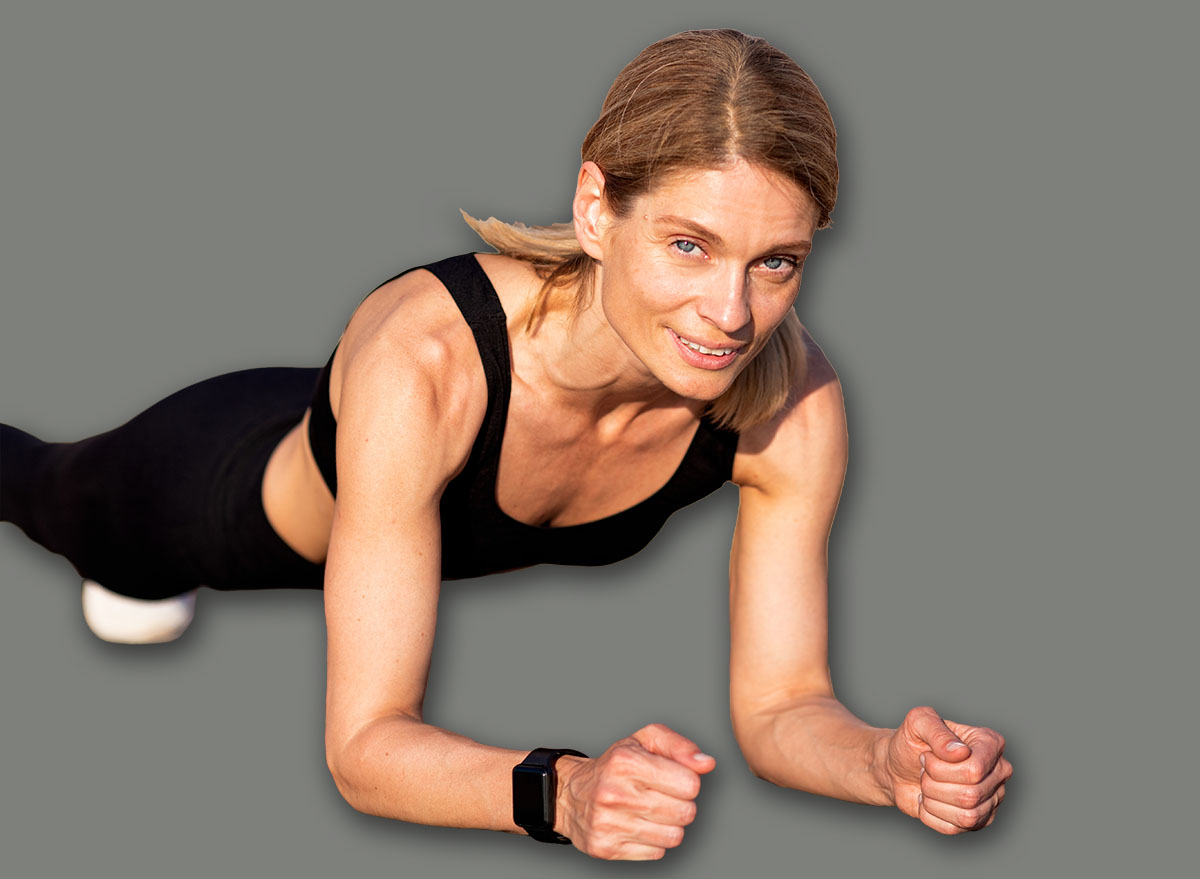
- Start in a forearm plank: Place your elbows directly under your shoulders, forearms parallel. Extend your legs behind you, feet hip-width apart.
- Engage your core: Tighten your midsection, pull your ribs downward, and squeeze your glutes to prevent hip sagging.
- Align your body: Imagine a straight line from your head through your hips to your heels. Your shoulders should be stacked over your elbows, not rounded forward.
- Breathe steadily: Inhale through your nose, exhale through your mouth, keeping your core engaged.
- Hold the position: Time starts only when your body is perfectly aligned. If your hips drop, lower back arches, or shoulders shrug, reset immediately.
Pro Tip: If you’re new to planks, start with shorter holds (10–20 seconds) and focus on perfect form. Quality always outweighs quantity.

What Your Plank Time Says About Your Core Strength
While time is a useful benchmark, the real measure of a strong plank is consistency. Here’s how to interpret your results:
- Under 30 seconds: You’re building foundational core engagement. Focus on learning to brace properly and maintaining alignment.
- 30–60 seconds: Solid baseline strength. Your core can support your body with control, but endurance is still developing.
- 60–90 seconds: Strong core stability. Your hips stay level, and your body maintains tension even as fatigue builds.
- 90+ seconds: Elite core strength. Your core, hips, and shoulders work together with remarkable endurance, indicating a high level of functional fitness.
Note: If you can’t hold a plank for 20 seconds with perfect form, don’t despair. Even beginners can build strength with consistent practice. The goal is progress, not perfection.
How to Build Core Strength and Plank Endurance After 60
Improving your plank time comes down to three pillars: tension, alignment, and gradual progression. Here’s how to train smarter:
1. Master the Basics First
Before increasing time, perfect your form. Use these cues:
- Ribs down, belly button slightly tucked.
- Glutes squeezed to prevent hip drop.
- Shoulders relaxed, not hunched.
2. Train with Intention
Instead of long, sloppy holds, focus on:
- Shorter, high-quality reps: 3 sets of 20–40 seconds with flawless form.
- Breath control: Inhale for 4 counts, exhale for 6 counts to maintain tension without over-bracing.
- Anti-rotation drills: Add Pallof presses or suitcase carries to strengthen oblique control.
3. Progress Gradually
Increase your hold time by 5–10 seconds per week, but only if your form remains perfect. For example:
- Week 1: 30-second holds (3 sets).
- Week 3: 40-second holds (3 sets).
- Week 5: 50-second holds (3 sets).
4. Supplement with Supporting Exercises
To build a stronger core, incorporate these movements 2–3 times per week:
- Glute bridges: Strengthen your posterior chain to support plank alignment.
- Dead bugs: Improve core stability while moving limbs.
- Side planks: Target obliques for rotational control.
- Bird dogs: Enhance core-spine dissociation.
5. Retest Regularly
Every 4–6 weeks, retest your plank time. Tracking progress keeps you motivated and ensures you’re improving safely. If your time stalls, reassess your form or add a variation (e.g., side plank or RKC plank).
Why This Matters for Daily Life
A strong core after 60 isn’t just about looking fit—it’s about staying independent. The ability to stabilize your spine during movement reduces the risk of falls, a leading cause of injury in older adults. It also improves posture, reducing chronic back pain and shoulder tension. Even simple tasks like getting up from a chair or carrying luggage become easier when your core is strong.

Consider this: A 2023 study in the Journal of Aging and Physical Activity found that adults over 60 with better core endurance had a 40% lower risk of functional decline over two years [4]. While the plank alone won’t reverse aging, it’s a simple, equipment-free way to preserve mobility and confidence.
For those new to exercise, start with 2–3 plank sessions per week, paired with other low-impact activities like walking or swimming. If you have existing back issues, consult a physical therapist before beginning plank training to ensure proper technique.
Common Mistakes to Avoid
Even well-intentioned plank practice can backfire if form breaks down. Watch for these red flags:
- Hip sagging: Often a sign of weak glutes or over-engaged abs. Squeeze your glutes to lift your hips.
- Lower back arching: Indicates over-reliance on your lower back. Tuck your ribs and engage your core.
- Shoulder shrugging: Strains the neck and traps. Keep shoulders relaxed and down.
- Holding your breath: Leads to tension and dizziness. Breathe steadily through your nose.
Final Thoughts: The Plank as a Lifeline for Aging Well
The plank is more than an exercise—it’s a litmus test for functional fitness after 60. Holding a clean plank for 90 seconds or longer isn’t just impressive; it signals that your core can handle the demands of daily life with ease. But remember: the goal isn’t to beat a benchmark. It’s to build a foundation that keeps you moving, independent, and pain-free for years to come.
Start today with a 20-second hold, focus on alignment, and gradually increase your time. Pair it with other core-strengthening exercises, and you’ll soon notice improvements in posture, balance, and even breathing. As one study put it: “Core stability is the cornerstone of functional aging” [5]. The plank is your first step toward that stability.
Ready to test your core? Try this progression:
- Week 1: 3 x 20-second holds (focus on form).
- Week 3: 3 x 30-second holds.
- Week 5: 3 x 40-second holds.
- Week 7: Retest your max hold time.
Share your progress in the comments—or tag us on social media with #PlankChallenge60!