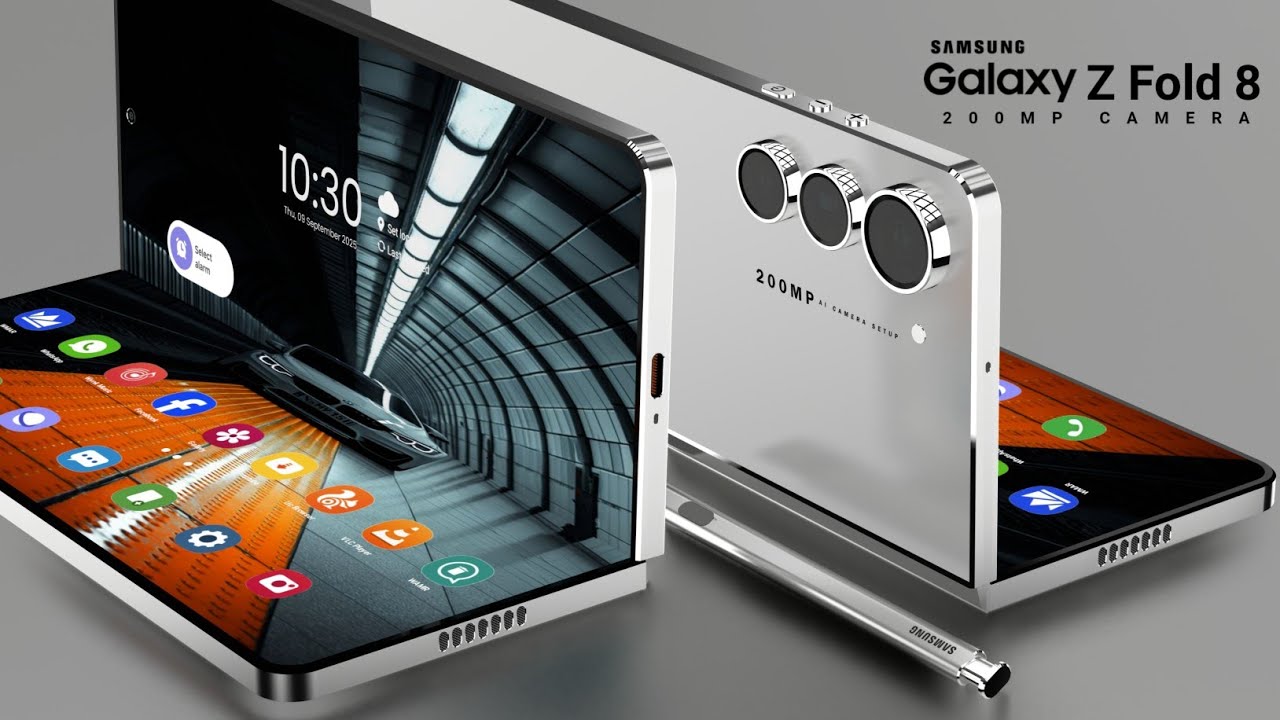
Samsung is preparing to unveil its latest generation of foldable smartphones, with industry reports indicating that the upcoming Galaxy Z Fold 8 may feature an exclusive, AI-optimized version of the Snapdragon 8 Elite processor. As the technology sector anticipates the next Galaxy Unpacked event, scheduled for July 22, the move represents a strategic effort by the manufacturer to solidify its position in the premium mobile market ahead of potential competitive pressure from other major hardware firms.
The integration of a specialized chipset is expected to focus on enhancing on-device artificial intelligence capabilities, a priority for Samsung as it expands its “Galaxy AI” ecosystem. While technical specifications remain subject to final verification, industry analysis suggests that the partnership between Samsung and Qualcomm continues to deepen, with the chipmaker tailoring its flagship silicon to meet the unique thermal and power requirements of foldable devices. According to reports from market observers, this “Elite Gen 5” iteration would likely prioritize neural processing unit (NPU) efficiency to support real-time translation, generative photo editing, and advanced productivity workflows.
Strategic Timing for Galaxy Unpacked
The July 22 date for the Galaxy Unpacked event serves as a critical milestone for Samsung’s 2024 mobile roadmap. By hosting the event during this window, the company aims to maintain its momentum in the foldable category, a segment where it has historically held a significant market share. The event is expected to showcase not only the Galaxy Z Fold 8 but also potential updates to the Z Flip series and the broader Galaxy wearable ecosystem.

This timing is widely viewed by analysts as a preemptive move to establish market dominance before the typical autumn release cycles of rival manufacturers. Data from recent industry surveys suggests that consumers are increasingly looking for “everyday utility” in foldable form factors, shifting the focus from novelty to practical, long-term usage. Samsung’s marketing strategy, as reflected in recent corporate communications, emphasizes how these devices integrate into daily professional and personal routines, moving beyond the initial “early adopter” phase of the product lifecycle.
Technical Expectations and Market Implications
The rumored exclusive use of an AI-tuned Snapdragon 8 Elite processor in the Galaxy Z Fold 8 highlights the ongoing arms race in mobile artificial intelligence. By securing proprietary optimizations, Samsung looks to differentiate its user experience from other Android manufacturers who may use the standard version of the same silicon. For users, this could manifest as faster response times for Bixby-integrated AI tasks and improved battery life when running resource-intensive generative models.
The technical challenges of foldable hardware—specifically heat dissipation and battery density—remain central to the engineering of the Z Fold 8. Previous iterations of the device have balanced these constraints through sophisticated vapor chamber cooling and split-battery architectures. Industry experts note that any new processor implementation must account for these physical limitations while simultaneously boosting performance to support the next generation of generative AI features. As of this writing, Samsung has not released official technical specifications, and the full extent of the “AI-tuning” remains to be detailed during the formal product launch.
Competitive Landscape in the Foldable Market
Samsung currently faces a maturing landscape for foldable smartphones. While it remains a leader in global sales, other manufacturers have introduced thinner, lighter, and more affordable alternatives. The focus on the Z Fold 8’s internal capabilities suggests that Samsung intends to compete on software-hardware synergy rather than hardware design alone. By leveraging its own AI suite, the company aims to create a “moat” that provides value beyond the physical folding hinge.

The industry is also closely monitoring how these developments influence consumer adoption rates. According to market data, the transition from traditional slab smartphones to foldables is accelerating, particularly among enterprise users who value the screen real estate for multitasking. The upcoming July 22 presentation will likely provide the first concrete evidence of how successful these optimizations have been in addressing long-standing user feedback regarding weight, crease visibility, and software optimization.
The next confirmed checkpoint for these developments is the Galaxy Unpacked event scheduled for July 22. Official updates, including pre-order information and full technical specifications, will be available through the official Samsung Newsroom following the keynote address. Readers are encouraged to monitor the portal for verified details as they are released.