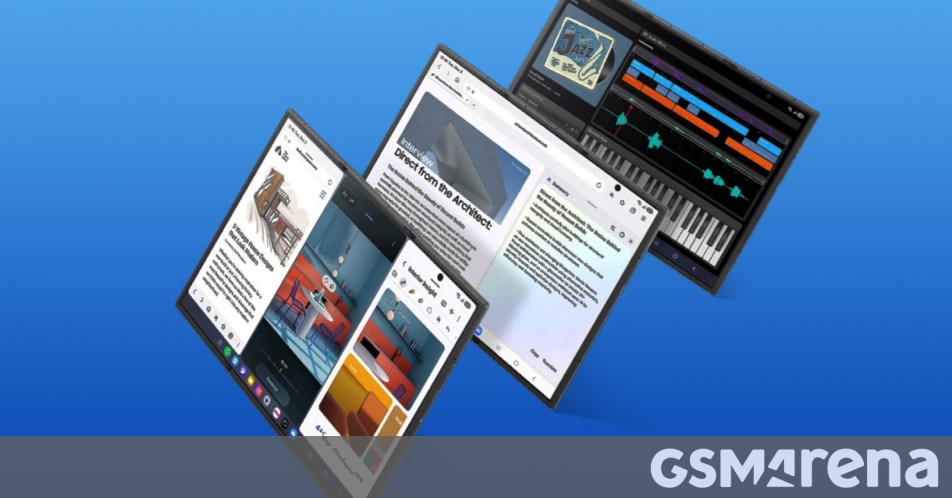
Samsung Galaxy Z TriFold: A Deep Dive into the Future of Foldable Phones
The smartphone landscape is constantly evolving, and Samsung continues to push boundaries with innovative designs. Recently, details emerged about the Galaxy Z TriFold, a device that expands upon the foldable concept in a truly enterprising way. this isn’t just another folding phone; it’s a potential glimpse into the future of mobile computing. Let’s explore what makes this device stand out and whether it coudl be your next phone.
Beyond the Fold: Introducing the TriFold Design
The Z TriFold builds upon the foundation of the Z Fold series, essentially adding a third folding panel. Imagine a Z Fold 7, but with an even more expansive internal display. This results in a device that measures 12.9mm when closed and weighs a noticeable 309g. While it’s thicker and heavier than conventional smartphones, the increased screen real estate offers a compelling trade-off.
The exterior maintains a familiar 6.5-inch cover screen, providing everyday smartphone functionality. However,the magic happens when you unfold it.
A Tablet in Your pocket: The Unfolded Experience
Unfolding the Z TriFold reveals a spacious 10.0-inch display with a 15:11 aspect ratio. This wider format is particularly well-suited for immersive video consumption and gaming. Samsung has prioritized display protection, cleverly concealing the folding panel when closed. The hinge mechanism resides on the exterior, safeguarding the delicate screen from potential damage.
This approach contrasts with competitors like the Huawei Mate XT Ultimate, which leaves a portion of the display exposed. While minimizing thickness and weight (the XT Ultimate folds to 12.8mm and weighs 298g),the Z TriFold prioritizes durability.
Power and Performance: What’s Under the Hood?
Beyond the screen,the Z TriFold shares many similarities with the Z Fold 7. You’ll find the same Snapdragon 8 Elite chipset powering the device, ensuring smooth performance for demanding tasks. The camera system also remains consistent, featuring a versatile 200MP main sensor, a 10MP telephoto lens, and a 12MP ultrawide lens. A punch-hole selfie camera handles front-facing photography.
Samsung has also equipped the Z TriFold with a considerable 5,600mAh battery. This is nearly one-third larger than the 4,400mAh battery found in the Z Fold 7, promising all-day battery life even with heavy usage. It supports 45W wired charging, a step up from the Z Fold 7’s 25W charging speed, though Huawei’s tri-fold offers even faster 66W charging.
The Competition: Where Does the TriFold Stand?
Currently,the tri-fold market is limited. The primary competitors are the Huawei Mate XT Ultimate and the slightly upgraded Mate XTs Ultimate. However, thes devices run on HarmonyOS instead of Android, which may be a significant factor for some users.
here’s a rapid comparison:
* Samsung Galaxy Z TriFold: Android-based,focus on display protection.
* Huawei Mate XT Ultimate: HarmonyOS-based, slightly thinner and lighter.
* Huawei mate XTs Ultimate: HarmonyOS-based, upgraded chipset and 40MP ultrawide camera.
is the TriFold Right for You?
The Samsung Galaxy Z TriFold represents a bold step forward in foldable technology. It offers a unique combination of smartphone portability and tablet-like functionality. Though, it’s not without its trade-offs.
Consider these points:
* Price: Tri-fold devices are likely to be premium-priced.
* Form Factor: The larger size and weight may not appeal to everyone.
* Software Ecosystem: Android offers a wider range of apps and services compared to HarmonyOS.
Ultimately, the decision of whether or not to embrace the Z TriFold depends on your individual needs and preferences. Is the expansive display and innovative form factor worth the added bulk and potential cost? Only you can answer that question.