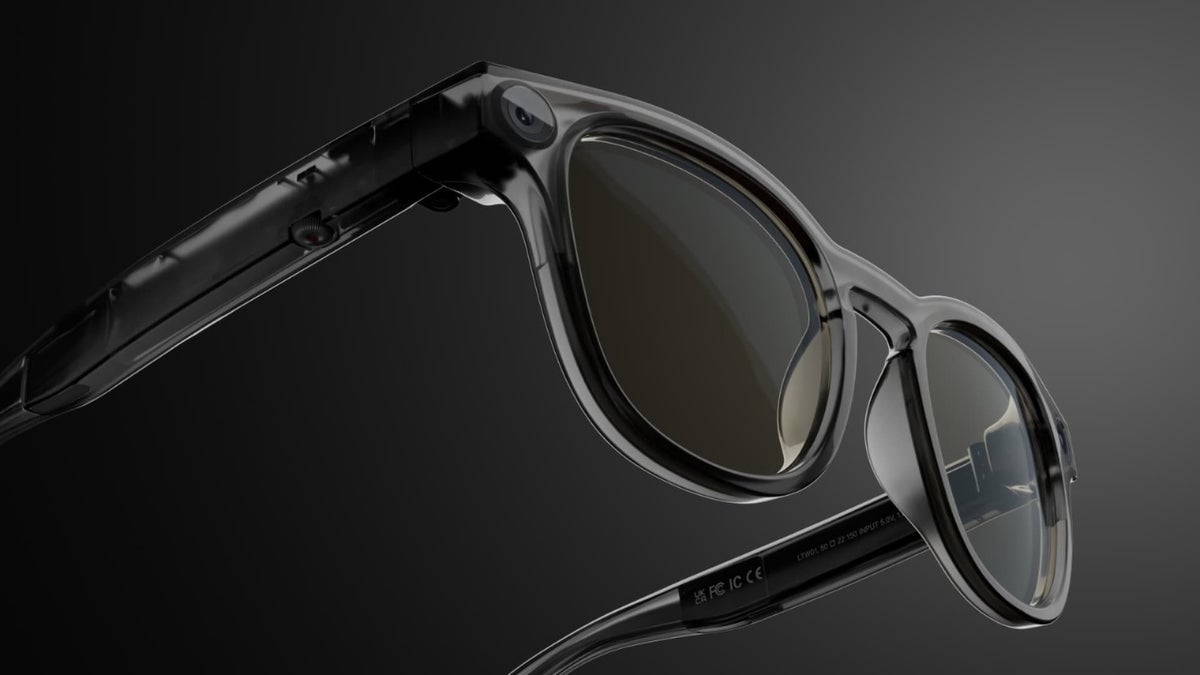
Samsung’s Galaxy Glasses: A New Contender in the AI-Powered Smart Eyewear Race
The competition in the smart eyewear market is heating up, and Samsung is poised to make a significant play. While Meta, in partnership with Ray-Ban, has garnered much of the early attention, Samsung is actively developing its own AI-powered glasses, dubbed Galaxy Glasses, slated for release this year. Details surrounding the device are emerging, painting a picture of a device deeply integrated with artificial intelligence and designed to complement, rather than replace, existing mobile technology. The company is betting heavily on AI’s ability to understand the user’s environment and deliver relevant information, marking a strategic shift towards a more integrated and intuitive user experience.
Samsung’s approach appears to be focused on leveraging AI to enhance everyday interactions, rather than creating a fully immersive extended reality (XR) experience. This distinction is crucial, as Samsung executives, including Jay-Kim, have indicated a belief that the mass market appeal lies in practical applications powered by AI, rather than the more complex and potentially isolating nature of XR headsets. The Galaxy Glasses are expected to connect seamlessly with smartphones, utilizing the phone’s processing power to analyze information gathered by the glasses’ camera and sensors. This collaborative approach aims to deliver a more refined and accessible smart eyewear experience.
AI at the Core of Samsung’s Vision
A key element of Samsung’s strategy is the central role of artificial intelligence. According to reports, the company believes AI will be the defining feature of the next generation of wearable devices. The Galaxy Glasses are designed to “understand what one is seeing,” feeding visual information to a connected smartphone for processing and delivering contextual insights. This suggests a focus on real-time object recognition, scene understanding, and potentially even language translation. The potential applications are vast, ranging from identifying landmarks and providing historical information to assisting with shopping and offering real-time language support.
This emphasis on AI is not happening in a vacuum. Samsung is collaborating closely with both Qualcomm and Google to develop the Galaxy Glasses. Qualcomm, a leading provider of mobile processors, is contributing its expertise in semiconductor technology, while Google is assisting with the development of the operating system and software ecosystem. This partnership is reminiscent of the Android XR platform, suggesting a potential foundation for the Galaxy Glasses’ software architecture. Cristiano Amon, CEO of Qualcomm, confirmed in a separate interview that Samsung’s glasses are expected to launch this year, anticipating a significant impact similar to the introduction of smartphones, but with even greater potential due to the expanding ecosystem of AI-powered applications.
Display and Hardware Considerations
One lingering question surrounds whether the Galaxy Glasses will incorporate a display. Samsung executives have remained somewhat ambiguous on this point, noting that the company already offers devices like smartwatches and smartphones that provide screen-based experiences when needed. This suggests a potential design choice to prioritize a more discreet form factor, relying instead on audio feedback and smartphone integration for visual output. However, the glasses will undoubtedly feature an integrated camera positioned at eye level, enabling the AI-powered visual processing capabilities.
The collaboration with Qualcomm is particularly significant in terms of hardware. Qualcomm’s Snapdragon XR platforms are already powering a range of XR devices, and their expertise in creating power-efficient and high-performance processors will be crucial for the Galaxy Glasses. The partnership with Google extends beyond the operating system, potentially encompassing access to Google’s AI models and cloud services, further enhancing the glasses’ capabilities. The Android XR platform serves as a precedent, demonstrating a potential pathway for Samsung’s entry into the smart eyewear market, but the company aims to deliver a product that is more broadly appealing than current XR offerings.
Beyond XR: A Focus on Practicality
Samsung appears to be deliberately positioning the Galaxy Glasses as an alternative to the more immersive and often bulky XR headsets currently available. Jay-Kim has indicated that while XR technology will continue to evolve, Samsung does not view it as a large-scale business opportunity in its current form. The company believes that the future of smart eyewear lies in providing practical, everyday benefits through AI-powered applications. This strategic decision reflects a broader understanding of consumer preferences and a desire to create a product that seamlessly integrates into people’s lives.
The development of AI-driven apps is seen as a key driver for the adoption of smart glasses. By providing developers with the tools and resources to create innovative applications, Samsung hopes to foster a thriving ecosystem that expands the functionality and appeal of the Galaxy Glasses. This approach mirrors the success of the smartphone industry, where a vibrant app ecosystem played a crucial role in driving adoption and innovation. The focus on AI-powered applications suggests a potential for features such as real-time translation, object recognition, and personalized recommendations.
The Competitive Landscape and Future Outlook
Samsung’s entry into the smart eyewear market is set to intensify the competition, challenging Meta’s early lead with its Ray-Ban Meta smart glasses. While Meta has focused on social connectivity and content creation, Samsung appears to be prioritizing AI-powered utility and seamless integration with existing mobile devices. This difference in approach could appeal to a broader range of consumers who are looking for practical applications rather than immersive experiences.
The success of the Galaxy Glasses will depend on several factors, including the accuracy and reliability of the AI algorithms, the battery life of the device, and the availability of compelling applications. Samsung’s strong brand recognition, its expertise in mobile technology, and its strategic partnerships with Qualcomm and Google position it well to compete in this rapidly evolving market. The company’s commitment to AI and its focus on practicality suggest that the Galaxy Glasses could represent a significant step forward in the development of smart eyewear.
As Samsung prepares to unveil its Galaxy Glasses later this year, the tech world will be watching closely. The device promises to be a compelling blend of cutting-edge technology and practical functionality, potentially reshaping how we interact with the world around us. The coming months will reveal whether Samsung can deliver on its ambitious vision and establish itself as a leader in the AI-powered smart eyewear revolution.
Keep an eye on World Today Journal for further updates on the Samsung Galaxy Glasses and the evolving landscape of smart eyewear technology. We will continue to provide in-depth coverage and analysis as new information becomes available.
Worth a look