
The atmosphere surrounding Samsung Electronics has shifted from one of industrial dominance to one of intense internal friction. As the world’s leading semiconductor and consumer electronics manufacturer faces a deepening Samsung labor dispute, the potential for large-scale industrial action is sending ripples through the global technology sector. What began as localized negotiations over annual wage increases has escalated into a high-stakes standoff that threatens to disrupt one of the most critical links in the global semiconductor supply chain.
At the heart of the conflict is the National Samsung Electronics Union (NSEU), the company’s largest labor organization. The union has signaled that its patience with management is wearing thin, as workers demand compensation that reflects both the company’s massive profitability and the rising cost of living. For global markets, the stakes could not be higher: any prolonged strike at Samsung’s highly specialized fabrication plants (fabs) could trigger a domino effect, stalling the production of everything from smartphone processors to advanced AI chips used in data centers.
As we track this developing situation, This represents no longer a mere internal HR matter. It is a significant economic event with the potential to impact global tech manufacturing stability and South Korea’s export-driven economy. The tension between the drive for corporate profitability and the growing power of organized labor at Samsung represents a pivotal moment for the industry.
The Core of the Dispute: Wages and Profit Sharing
The current friction stems from a breakdown in negotiations regarding the 2024-2025 compensation packages. The NSEU has been vocal about its dissatisfaction with the company’s current wage structure, specifically pointing to the discrepancy between record-breaking corporate earnings and the actual take-home pay of the workforce. As inflation continues to impact real wages globally, the union is pushing for a more aggressive annual increase to maintain purchasing power.
Beyond base salary, a significant point of contention is the transparency and calculation of Samsung’s performance-based profit-sharing schemes. For years, Samsung has utilized a system where bonuses are tied to specific business unit performance. However, union members have argued that the criteria for these payouts are often opaque and inconsistently applied across different divisions. The union is demanding a more standardized, predictable, and equitable way to distribute the wealth generated by the company’s market-leading positions in memory chips and mobile technology.
Reports indicate that the gap between management’s offers and the union’s demands remains substantial. While Samsung has historically maintained a relatively stable labor relationship, the recent push for greater transparency and higher direct compensation marks a shift in the union’s strategy, moving from reactive bargaining to a more proactive, systemic challenge to the company’s compensation philosophy.
A Risk to Global Semiconductor Stability
The most concerning aspect of the Samsung labor dispute for international observers is the potential impact on semiconductor production. Unlike traditional manufacturing, semiconductor fabrication is a continuous, highly sensitive process. The “fabs” that produce advanced logic and memory chips operate on incredibly tight schedules and require precise environmental controls and constant oversight.
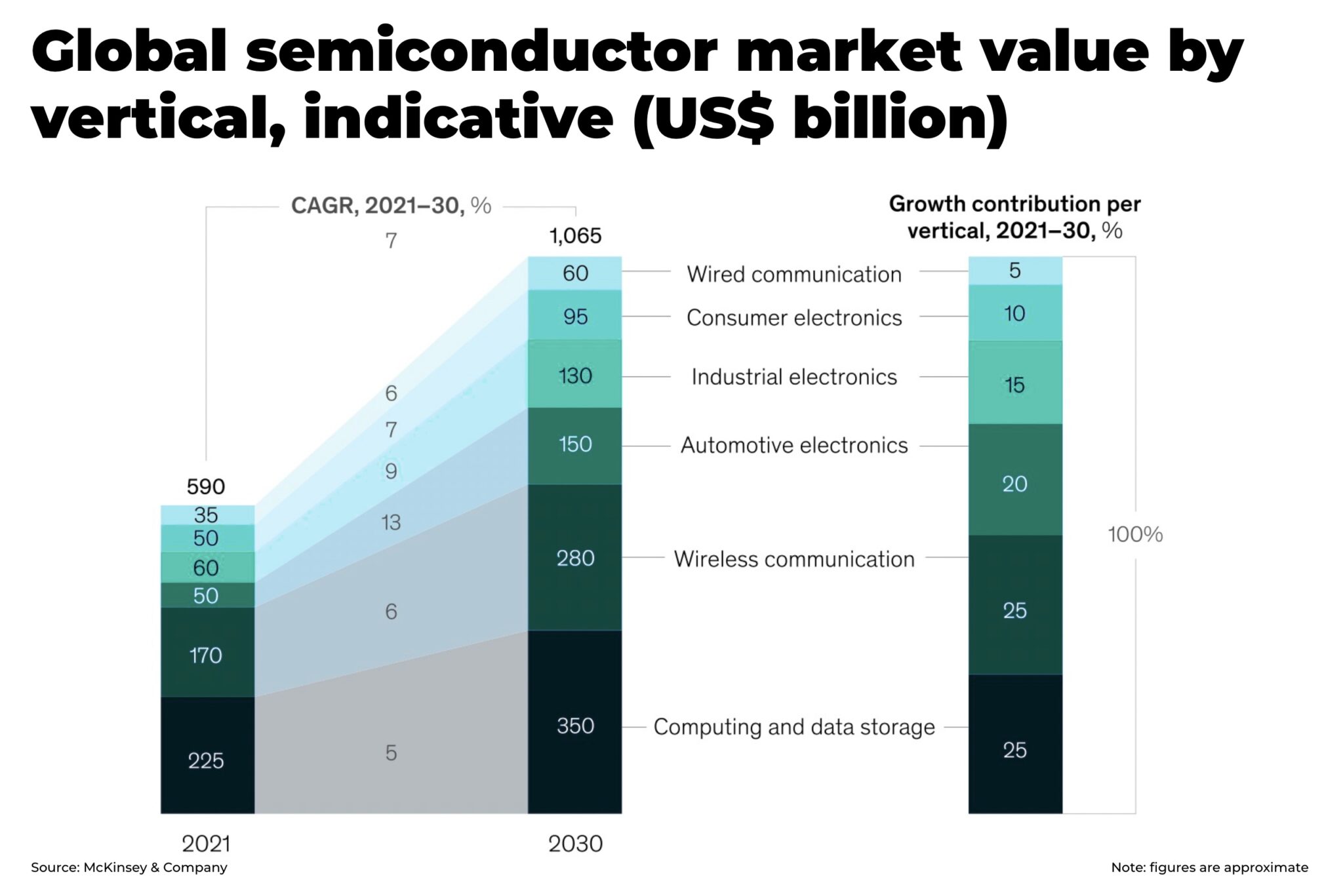
A strike at these facilities is not as simple as turning off a machine. The sudden loss of specialized personnel can lead to:
- Production Downtime: Even brief interruptions can result in the loss of entire batches of expensive wafers.
- Equipment Calibration Issues: Maintaining the extreme precision required for sub-5nm chip production requires constant monitoring.
- Supply Chain Delays: Because Samsung is a primary supplier for major smartphone manufacturers and cloud service providers, a slowdown in Suwon or Pyeongtaek would immediately affect the global availability of high-end electronics.
In an era defined by the “AI gold rush,” the demand for advanced semiconductors is at an all-time high. Any disruption to Samsung’s ability to deliver these components could exacerbate existing supply constraints and drive up costs for the entire tech ecosystem. The industry is watching closely to see if the union’s leverage will force a settlement or if the risk of industrial action will lead to a significant bottleneck in the global chip supply.
Economic Context: South Korea’s Export Engine at Risk
The implications of this labor unrest extend far beyond the walls of Samsung’s campuses. For South Korea, Samsung Electronics is more than just a corporation; it is a cornerstone of the national economy. The company’s massive export volumes contribute significantly to the country’s GDP and trade balance. Any large-scale labor action that impacts Samsung’s export capacity is viewed by the South Korean government as a matter of national economic security.

The South Korean government has a vested interest in ensuring that the semiconductor industry remains stable and competitive. Historically, the state has played a role in monitoring industrial relations within “nationally significant” enterprises. While the government typically maintains a neutral stance to respect labor laws, the potential for a strike that could cripple a major export sector often leads to increased calls for mediation and diplomatic intervention between labor leaders and corporate executives.
If the dispute leads to a strike, the macroeconomic consequences could include fluctuations in the South Korean Won and a cooling of investor confidence in the country’s tech-heavy stock indices. This interconnectedness ensures that the Samsung labor dispute will remain a key metric for analysts assessing the economic health and stability of the East Asian tech hub.
Key Takeaways: The Samsung Labor Standoff
- Primary Grievance: The NSEU is demanding higher base wages and more transparent, equitable profit-sharing mechanisms.
- Industrial Risk: A strike could disrupt the high-precision manufacturing of semiconductors, impacting the global AI and smartphone supply chains.
- Economic Impact: As a major driver of South Korean exports, any production halt poses a risk to the national economy and trade stability.
- Critical Watchpoint: The outcome of upcoming negotiation rounds will determine whether the company moves toward a settlement or faces unprecedented industrial action.
As we move forward, the next critical checkpoint will be the official announcement regarding the results of the upcoming round of collective bargaining sessions. Whether the union moves to a formal strike vote or management offers a revised compensation package will be the deciding factor in the stability of the global semiconductor market.
What are your thoughts on the growing labor tensions in the tech industry? Do you believe the current compensation models in the semiconductor sector are sustainable? Let us know in the comments below and share this analysis with your network.
Keep reading