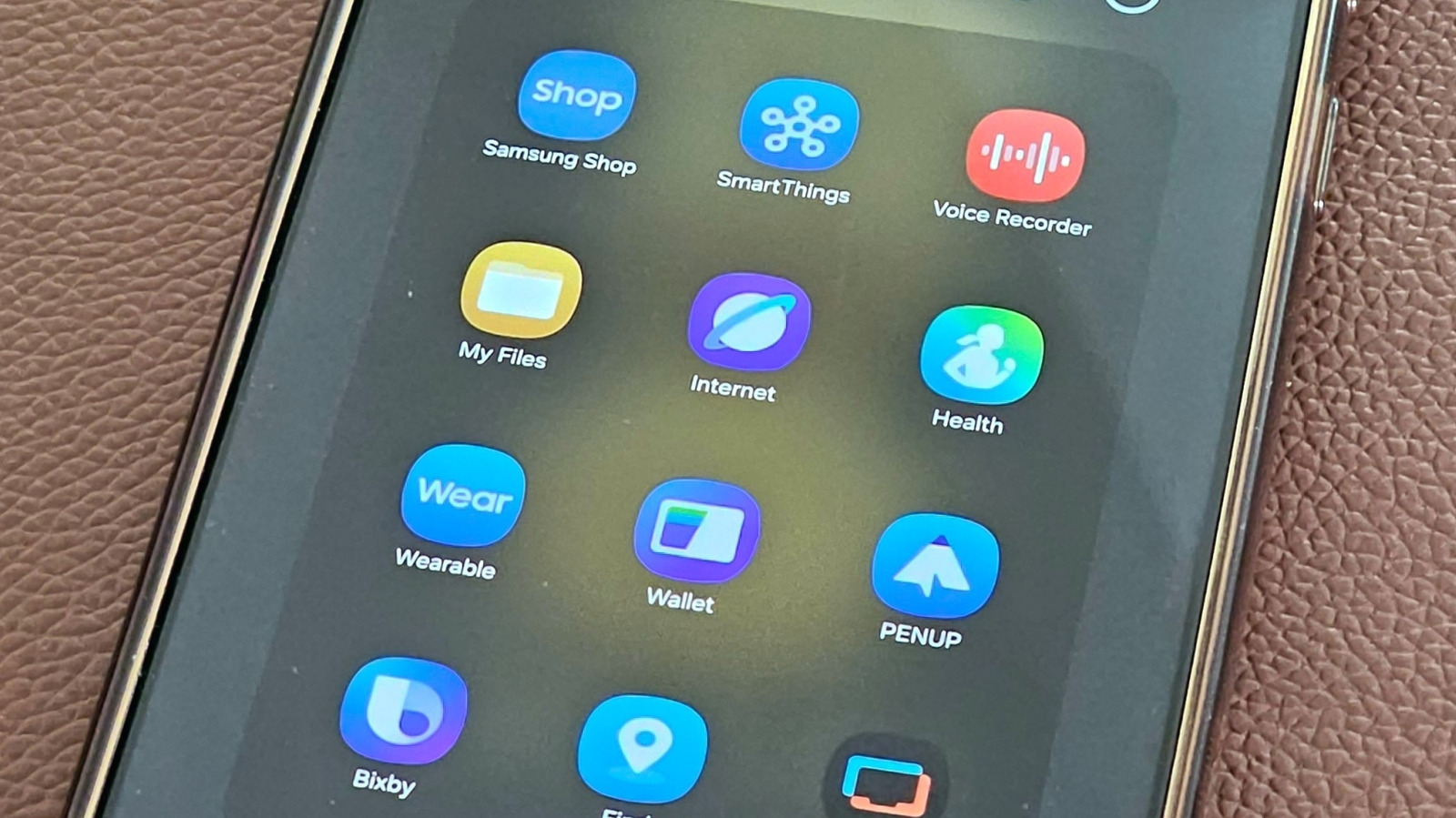
For frequent travelers, the ritual of shuffling through airport security often involves a frantic search for physical identification. However, a recent update to the Samsung Wallet app is set to streamline this experience, as Samsung has officially integrated support for digital state IDs and driver’s licenses, allowing users to store these credentials securely on their devices for use at select Transportation Security Administration (TSA) checkpoints.
This integration marks a significant shift in how we approach digital identity, moving beyond simple credit card storage into the realm of government-issued documentation. By leveraging the secure hardware architecture inherent in modern Samsung devices, the company aims to offer a faster, more convenient way for travelers to verify their identity at security lanes. As technology editors, we have closely monitored the rollout of digital state IDs in Samsung Wallet, which represents a broader industry trend toward mobile-first identity verification.
How Digital IDs Function at TSA Checkpoints
The core functionality relies on the use of mobile driver’s licenses (mDL), which are digital representations of a physical ID card. When approaching a TSA checkpoint equipped with the necessary technology, travelers can present their digital ID via their Samsung smartphone. The process utilizes Near Field Communication (NFC) or QR code scanning to transmit the necessary information to the TSA’s Credential Authentication Technology (CAT) units. According to the official TSA guidance on acceptable identification, these digital versions must be issued by a participating state’s motor vehicle agency to be considered valid for travel purposes.
Security remains a primary concern for any digital identity initiative. Samsung has emphasized that these credentials are stored within the device’s Knox-certified security environment, ensuring that the sensitive data remains encrypted and isolated from the rest of the operating system. The transmission of data at the checkpoint is handled through secure protocols designed to minimize the amount of information shared, providing a level of privacy that physical cards cannot match.
Current Availability and State Participation
It is important for users to understand that this feature is not yet available nationwide. The deployment of digital IDs is contingent upon individual state participation and the ongoing infrastructure upgrades at airports across the United States. As of the latest update, states such as Arizona and Maryland have been at the forefront of this digital transition, though the list of participating jurisdictions is expected to expand throughout the year as more states align with the REAL ID Act requirements and mobile identity standards.

Travelers should verify whether their home state currently supports digital IDs in Samsung Wallet before attempting to use them at the airport. You can check the status of your state’s participation through the official Samsung Wallet support portal. Relying on a digital ID at a non-participating checkpoint or in a state that has not yet adopted the technology will likely result in the TSA requiring a physical form of identification.
Key Takeaways for Travelers
- Device Compatibility: Ensure your Samsung device is running the latest version of the Samsung Wallet app and that your phone’s software is fully updated to the most recent firmware.
- State Eligibility: Digital IDs are currently limited to specific states that have partnered with Samsung and the Department of Homeland Security.
- Always Carry Backup: Even if your state and airport support digital IDs, it is standard practice to carry your physical driver’s license or passport as a backup until the technology becomes fully ubiquitous.
- Privacy Controls: Samsung Wallet allows users to control what information is shared during the verification process, ensuring you only provide the necessary data to the TSA agent.
The Future of Mobile Identity
The integration of government credentials into mobile wallets is part of a larger ecosystem shift. As we transition toward a more digitized society, the role of the smartphone as a primary identity hub is becoming increasingly solidified. This move by Samsung follows similar developments in the industry, reflecting a growing consumer demand for seamless, paperless processes in travel and beyond.
Looking ahead, the next checkpoint for this technology involves broader integration with international travel standards and increased adoption by state DMVs. We expect to see more announcements regarding state-level support in the coming fiscal quarters. For those interested in tracking the evolution of this technology, the Department of Homeland Security periodically releases updates on the progress of mobile driver’s licenses and their implementation across the national transportation network.
As this technology continues to mature, we will keep you informed of any new states coming online and any significant security updates that may impact your travel plans. In the meantime, I encourage our readers to check their device settings to ensure they are prepared for their next flight. Have you had the chance to use a digital ID at a security checkpoint yet? Share your experiences in the comments below, or join the conversation on our social channels.
Related reading