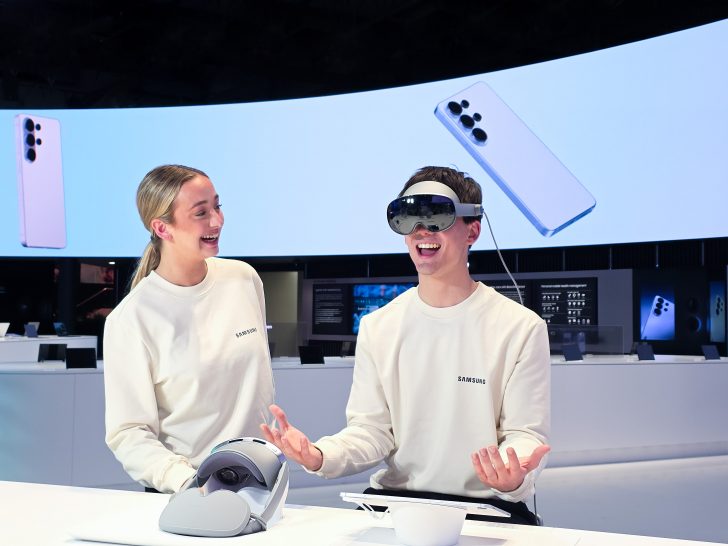
In an era where the boundary between hardware utility and digital experience continues to blur, Samsung is shifting its brick-and-mortar strategy. The electronics giant is currently in the process of retooling its global network of Smart Centers, moving away from traditional repair-only models toward a more holistic concept: experience and innovation hubs. This transition reflects a broader industry trend where manufacturers prioritize long-term customer engagement and brand ecosystem immersion over purely transactional service interactions.
For consumers, this evolution of the Samsung service center experience signals a departure from the typical “drop-off and wait” repair model. By integrating interactive product demonstrations, personalized software consultations, and educational workshops, these facilities aim to bridge the gap between technical support and user empowerment. As devices become increasingly complex—often requiring a deeper understanding of AI-driven features and interconnected SmartThings ecosystems—the necessity for high-touch, human-centric support has never been greater.
This strategic pivot is not merely a cosmetic change. As noted in the company’s latest corporate sustainability and service reports, the focus is shifting toward “customer-centricity,” emphasizing how physical spaces can support a product’s lifecycle through better education and preventative maintenance. This approach aligns with the company’s broader commitment to extending the longevity of consumer electronics, a key pillar in their ongoing product stewardship initiatives.
Beyond Repairs: The New Face of Customer Interaction
The traditional repair center has long been a friction point for consumers. However, Samsung’s updated approach utilizes these spaces as showrooms for their latest technological advancements. Visitors can now expect to interact with the latest Galaxy devices, home appliances, and integrated smart home solutions in a controlled, expert-led environment. This transition mirrors the “Genius Bar” philosophy that revolutionized consumer tech support, but with a specific focus on the expansive breadth of the Samsung product catalog.
One of the primary drivers of this transformation is the increasing complexity of AI integration. As features like Galaxy AI become central to the user experience, customers require more guidance on how to optimize their devices. By transforming these service hubs into educational centers, the brand can provide on-site tutorials that help users navigate software updates, security settings, and AI-powered productivity tools. According to recent industry analysis from Gartner’s High Tech research group, physical service touchpoints are becoming critical for brand loyalty, as they offer a tangible way for companies to demonstrate the value of their software ecosystems.
Key Pillars of the Modernized Service Hub
The transition to these “Innovation Hubs” is built upon several foundational changes to the customer journey:

- Interactive Education: Scheduled workshops that teach users how to maximize the utility of their smart devices, focusing on accessibility features and automation.
- Ecosystem Integration: Demonstrations of how different Samsung products communicate via the SmartThings platform, helping users understand the benefits of a connected home.
- Enhanced Diagnostics: The use of advanced diagnostic tools that are now accessible to staff, allowing for more transparent explanations of hardware health and repair timelines.
- Sustainability Focus: Dedicated areas where customers can learn about device recycling, trade-in programs, and repairability, which are increasingly important to eco-conscious consumers as outlined in official company support disclosures.
The Role of AI in Scaling Personalized Support
While the physical transformation is the most visible change, the backend of these service hubs is being overhauled with AI-driven analytics. By utilizing predictive maintenance data, technicians can often identify potential hardware failure patterns before they become critical. This data-driven approach allows for more efficient parts management and faster turnaround times for those who do require physical repairs.
This integration of technology into the service workflow is part of a larger, global push toward digital transformation. Samsung continues to invest heavily in its authorized service network, ensuring that the same standards for repair quality and customer interaction are maintained across international borders. By standardizing the “experience” element, the company aims to ensure that a customer in San Francisco receives a similar level of high-quality, consultative support as a customer in Seoul or London.
Why This Matters for the Consumer
For the average user, the shift means that visiting a service center no longer feels like an inconvenience, but rather an opportunity to get more out of their investment. In the current market, where the cost of flagship smartphones and high-end home appliances remains high, the value of “after-care” is a major selling point. When a brand provides a space where users can resolve software issues, learn new features, and understand the breadth of their device’s capabilities, it fosters a deeper sense of trust.
this model addresses the growing need for digital literacy. As we move into an era where “Smart” devices are the default, the barrier to entry for older generations or non-tech-savvy users can be high. These hubs act as a bridge, offering one-on-one time with experts who can simplify complex tech terminology into actionable advice. This sentiment is echoed in recent reports from industry experts on the importance of human-in-the-loop tech support, which emphasize that even in an AI-dominated world, the human element remains the most significant factor in customer satisfaction.
Looking Ahead: The Next Phase of Innovation
Samsung’s commitment to this model is ongoing. The company has indicated that it plans to continue expanding this “experience-first” design to more locations throughout the coming fiscal year. As these hubs evolve, One can expect to see further integration of augmented reality (AR) for in-store training, as well as more streamlined appointment scheduling through their global mobile app interfaces.

The next major checkpoint for this initiative will be the upcoming quarterly investor update, where the company is expected to provide data on customer satisfaction scores and the impact of these hubs on product retention rates. For users looking to find a location near them or to learn more about the specific services offered, the official Samsung Support portal remains the primary resource for real-time updates and scheduling.
As the tech landscape continues to shift, the companies that thrive will be those that can successfully blend the digital and physical worlds. By turning their service centers into hubs of innovation, Samsung is positioning itself to not just fix devices, but to build lasting relationships with the people who use them. We encourage our readers to share their experiences with these new service centers in the comments below—your feedback is essential to understanding how these changes truly impact the daily user experience.
Related reading