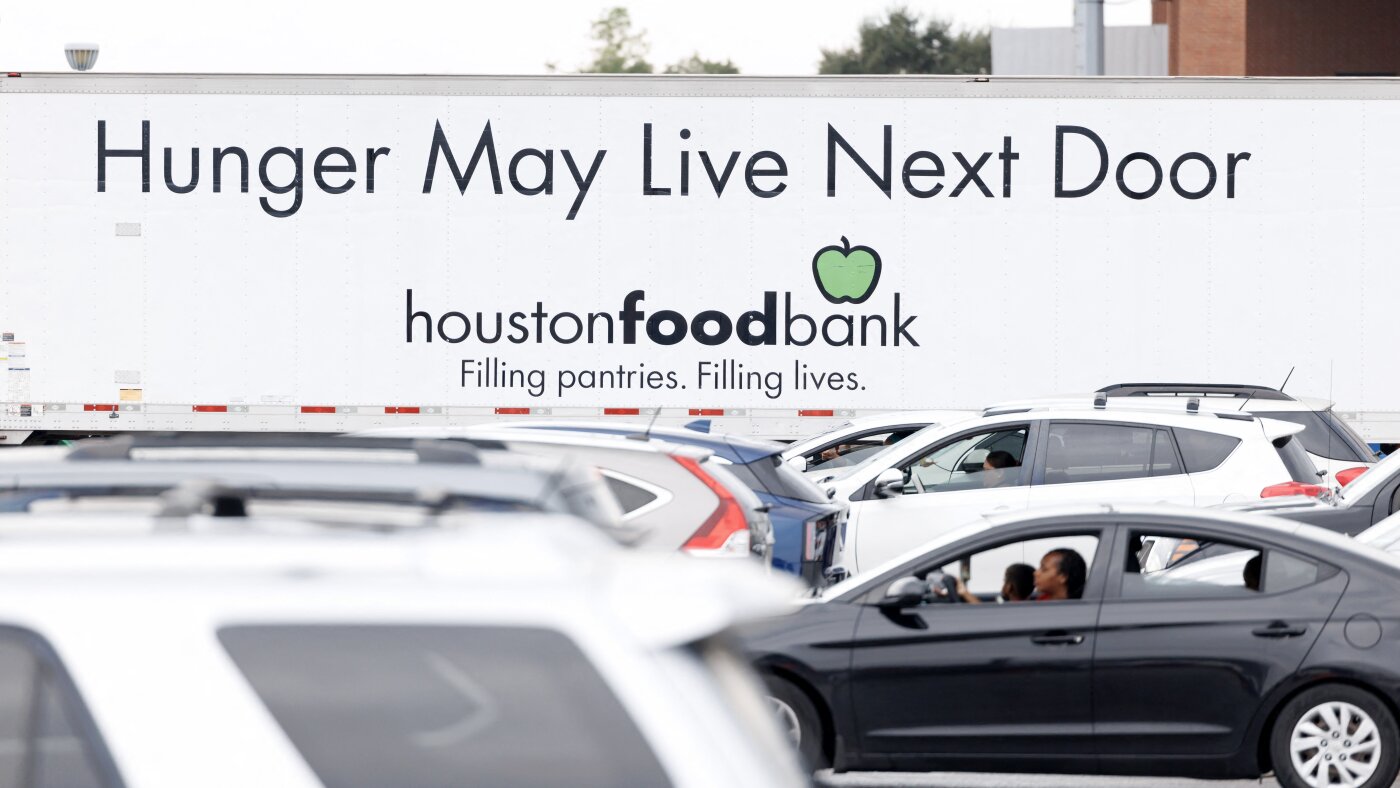
In recent months, the economic landscape for many households has shifted in ways that mirror—and in some metrics, surpass—the volatility witnessed during the height of the global pandemic. According to the Federal Reserve Bank of New York’s Survey of Consumer Expectations, a growing number of families are reporting significant difficulties in meeting essential needs, with food insecurity emerging as a primary concern for low-to-middle-income earners across the United States.
For those of us tracking global economic indicators, this trend is particularly sobering. While macroeconomic markers such as GDP growth and unemployment rates have shown resilience, the granular reality for individual households tells a different story. The persistent challenge of rising food insecurity has become a defining feature of the current post-pandemic economic recovery, often overshadowed by broader market data but acutely felt at the dinner table.
The Anatomy of Modern Food Insecurity
Food insecurity, defined by the U.S. Department of Agriculture (USDA) as a lack of consistent access to enough food for an active, healthy life, is not merely a byproduct of immediate unemployment. Instead, We see currently being driven by a “cost-of-living squeeze.” Even as inflation rates have moderated from their 2022 peaks, the cumulative effect of higher prices for groceries, energy, and housing has eroded the purchasing power of many American families.
The Federal Reserve Bank of New York’s data highlights that households are increasingly relying on credit to cover basic expenses. When we look at the Quarterly Report on Household Debt and Credit, we see a notable rise in credit card delinquency rates. For many, the choice between paying a utility bill or purchasing adequate groceries has become a recurring monthly calculation rather than a temporary emergency.
Who is Most Affected?
Data consistently shows that the burden of food insecurity is not distributed equally. Households with children, single-parent families, and those living in areas with limited access to affordable, nutritious food—often referred to as “food deserts”—are at the highest risk. The U.S. Census Bureau’s Household Pulse Survey, which provides real-time data on the social and economic effects of the pandemic and beyond, continues to track these disparities, showing that food insufficiency remains stubbornly high among marginalized communities.
The Transition from Pandemic-Era Support
During the COVID-19 pandemic, the U.S. Government implemented a series of extraordinary measures to buffer the economic shock. These included expanded Supplemental Nutrition Assistance Program (SNAP) benefits, the enhanced Child Tax Credit, and various moratoriums on evictions. These policies were instrumental in temporarily reducing poverty and food insecurity to historic lows.
However, the expiration of these programs has created a “benefit cliff.” As these emergency supports were phased out, many families found themselves without a safety net just as inflationary pressures began to peak. The Center on Budget and Policy Priorities has extensively documented how the end of emergency SNAP allotments led to a sharp increase in the number of households struggling to afford basic groceries. This shift serves as a reminder that the stability observed during the pandemic was, in many ways, policy-dependent rather than structurally solved.
What So for the Future
The persistence of food insecurity despite a “healthy” national economy presents a complex challenge for policymakers. When families are forced to prioritize debt repayment over nutrition, the long-term societal costs—ranging from poorer health outcomes in children to diminished educational attainment—are significant.
Economists are now looking closely at the Federal Reserve’s upcoming policy meetings to see how interest rate decisions might influence future household liquidity. The next scheduled Federal Open Market Committee (FOMC) meeting will be a critical checkpoint for those monitoring the intersection of monetary policy and consumer welfare. As we move into the next quarter, the focus must shift from aggregate national growth to the micro-economic realities of the households that remain left behind.
As a journalist who has covered international affairs for over 16 years, I find the disparity between market performance and individual household security to be one of the most pressing stories of our time. I encourage our readers to share their perspectives on this issue in the comments section below. How are rising costs impacting your community? Your engagement helps us continue to provide nuanced, fact-checked reporting on the issues that matter most.
Keep reading