
US Military Strikes Iran; Regional Tensions Escalate in Gulf
CENTCOM Targets Bandar Abbas and Greater Tunb Island Missile Sites
The U.S. military conducted fresh strikes on Iranian command centers and missile facilities on July 16, 2026, as President Donald Trump warned of further action. The operation aims to reduce Iran’s ability to threaten commercial shipping in the Strait of Hormuz, while regional tensions spiked following retaliatory drone attacks on Bahrain and Kuwait.

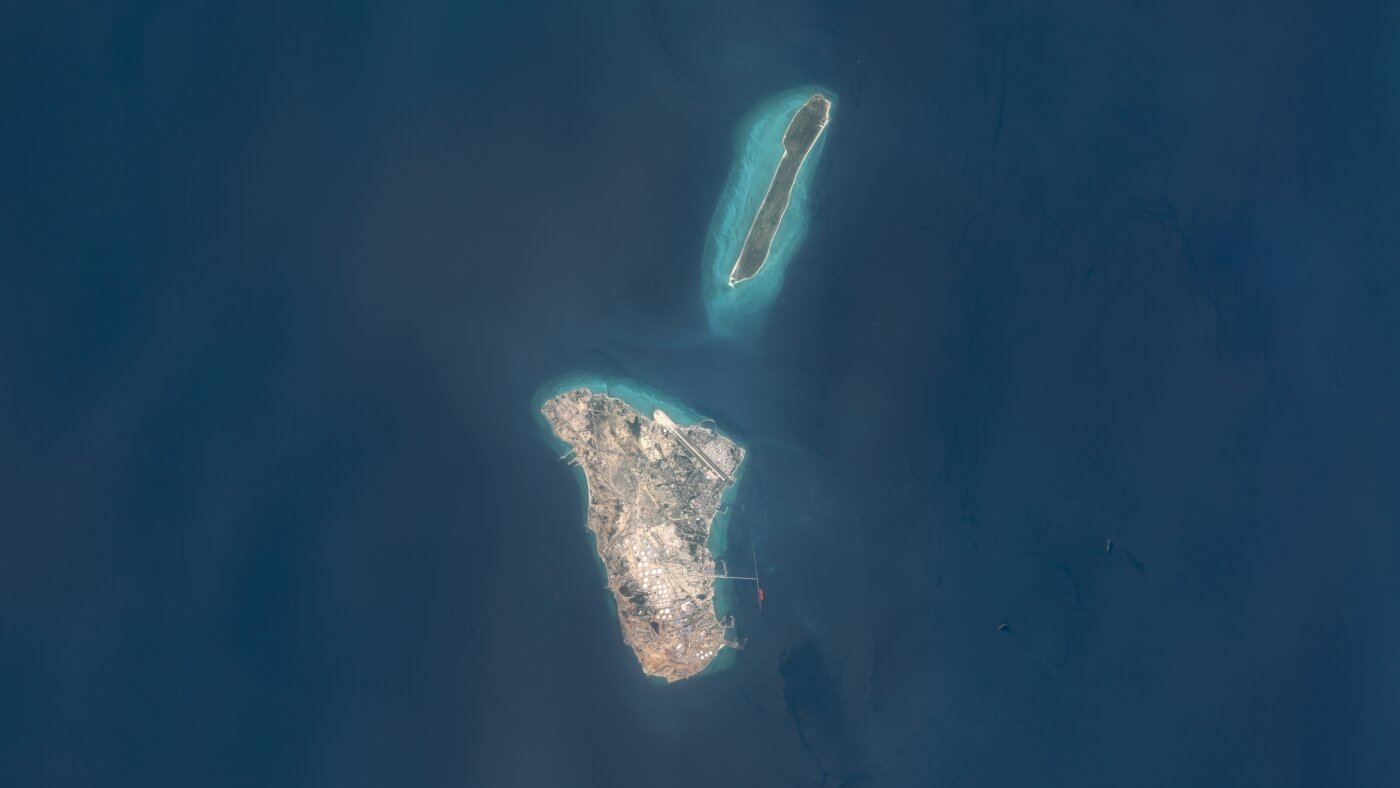
The United States Central Command, or CENTCOM, confirmed the completion of a new wave of strikes targeting Iranian military infrastructure. The attacks focused on command centers, air defense systems, and drone and missile capabilities, marking a significant escalation in the ongoing maritime conflict. According to reports, the strikes included targets in the southern port city of Bandar Abbas, home to key Iranian naval and Revolutionary Guards facilities. Earlier on July 16, U.S. forces also struck coastal defense and cruise missile sites on Greater Tunb Island in the Gulf.
Strait of Hormuz Blockade and Tanker Interception
President Trump Orders U.S. Military to Disable the Belma Tanker
The military campaign intensified after the U.S. reimposed a naval blockade on Iran. CENTCOM stated that the operation was carried out at the direction of President Donald Trump. As part of the enforcement of this blockade, the U.S. military struck and disabled an unladen oil tanker transiting international waters toward Kharg Island. The Curaçao-flagged commercial vessel, the Belma, reportedly “ignored multiple warnings as it attempted to violate the U.S. blockade.” The military confirmed it has redirected two commercial vessels during the first 24 hours of enforcing the blockade.
For more on this story, see Oil Prices Surge as Trump Threatens Iran Strikes Amid Strait of Hormuz Tensions.
Control of the Strait of Hormuz remains the primary point of friction. Iran’s Revolutionary Guard warned that the U.S. “must expect other oil and gas export routes that serve the interests of the United States and its allies to be closed as well.” The Guard stated, “The region’s oil and gas exports will either be available to everyone or to no one.”
Regional Security Alerts in Bahrain and Kuwait
Iranian Drone Attacks Trigger Air Defenses in Bahrain and Kuwait
As the conflict spreads, neighboring Gulf states have been drawn into the crossfire. Iranian attacks targeted Bahrain and Kuwait early Thursday. Bahrain’s Interior Ministry said air raid sirens had been activated and urged people to remain calm, seek shelter, and follow official instructions. Meanwhile, Kuwait’s military said its air defense systems were intercepting hostile drone attacks from Iran. The Kuwaiti armed forces added that any explosions heard by residents were likely the result of air defense operations and urged the public to follow security guidance from authorities.
This follows our earlier report, Iran Attacks Gulf States Amid U.S. Strikes as Tehran Maintains Diplomatic Ties.
While Iranian state media reported explosions near Bandar Abbas, Iranian officials claimed that American air strikes on an army barracks killed at least seven troops and wounded hundreds of people across the country. There was no immediate word on damage or casualties from the Iranian strikes on Bahrain and Kuwait.
Detainee Release and Diplomatic Stance
Amid the military confrontation, President Donald Trump announced a diplomatic development regarding a detained American citizen. The President said on Wednesday that Iran had allowed an American who was “wrongfully detained” under the Biden administration in 2024 to leave the country. “She is now safely outside of Iran,” the President stated.

Despite this, the military campaign shows few signs of slowing. President Trump warned he could widen the campaign unless Tehran returned to negotiations.
Domestic Criticism and Economic Impact
Senator Chuck Schumer and Joint Economic Committee Democrats Challenge Trump Administration Policy
The resumption of hostilities has sparked debate among U.S. lawmakers. Asked about the conflict after a bilateral meeting with Iraq’s Prime Minister Ali al-Zaidi, President Trump stated he plans to replace potential fees for transiting the Strait with “trade and investment Deals that the various Gulf states will be making into the United States.” The President noted that countries including Saudi Arabia, Qatar, the UAE, Bahrain, and Kuwait “would love” to invest “billions and billions of dollars” into the U.S.
Read also: US strikes over 100 sites in Iran as Donald Trump boasts ‘we bombed the hell out of them.
In response to the administration’s policy, Senator Chuck Schumer said Trump “has no clue what he’s doing in Iran.” Meanwhile, the Joint Economic Committee Democrats estimate that Americans have paid $56.4 billion more for gas since the start of the Iran war. As of July 16, 2026, the situation remains fluid, with reports of air defenses activated in Tehran and explosions heard in northern and western Iran.
Find more reporting in our News section.
Worth a look
- Hegseth to Implement Hormone Screening for US Troops to Optimize Performance
- Canada’s Geography and Economic Structure Drive National Development
- Ukraine War: Drone Kill Zones and Tensions at Zaporizhzhia Nuclear Plant (world-today-news.com)
- US Launches Fresh Strikes on Iran Amid Escalating Tensions (time.news)