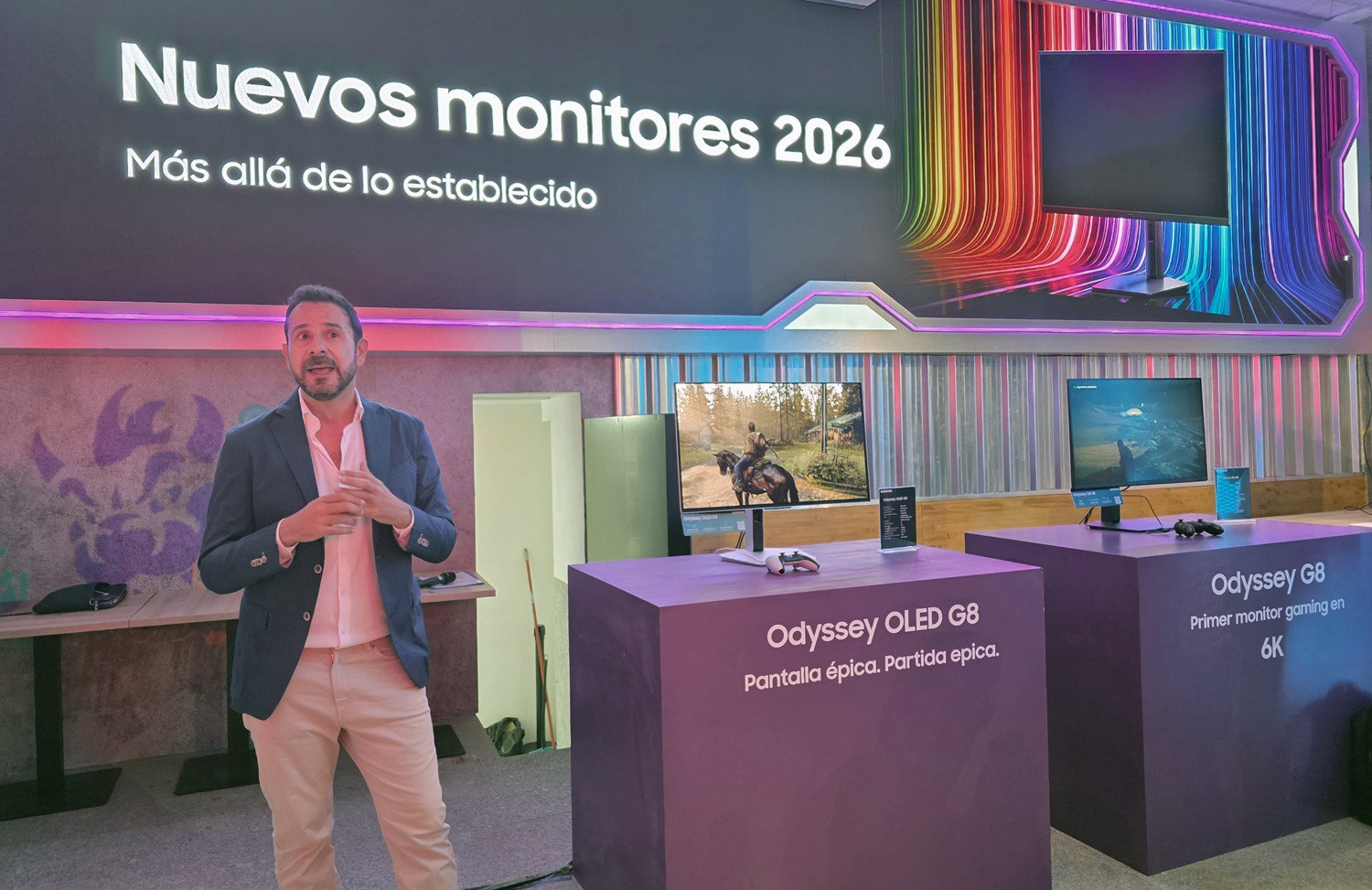
Samsung has officially expanded its premium display portfolio in the European market, introducing a new wave of monitors that target the intersection of high-fidelity creative work and competitive gaming. The South Korean tech giant’s latest lineup, which includes updates to its signature Odyssey and ViewFinity series, aims to address a growing consumer demand for versatile screens capable of switching between professional-grade color accuracy and high-refresh-rate gaming performance. As someone who has spent years analyzing the evolution of display technology, I have observed that the industry is moving rapidly toward “dual-mode” or “multi-mode” capabilities, allowing a single piece of hardware to serve as both a workstation powerhouse and a gaming battle station.
The headline feature of this launch is the integration of advanced panel technology that supports high-resolution gaming at elevated refresh rates. While the market has seen a surge in OLED adoption, Samsung is positioning its latest Odyssey models to compete directly with high-end displays from rivals like MSI, which recently introduced its own tri-mode OLED technology. For professionals and gamers alike, these monitors represent a significant shift in how we approach workspace ergonomics and hardware investment, particularly as the barrier between “work” and “play” monitors continues to dissolve in the modern home office environment.
According to the official product announcements from the Samsung Spain official store, the new arrivals feature varying specifications, with entry-level pricing for the refreshed series beginning at approximately 749 euros. This aggressive pricing strategy is clearly designed to capture market share from competitors who have historically dominated the premium gaming monitor segment. The inclusion of high-resolution panels—reaching up to 6K in specific professional configurations—underscores Samsung’s commitment to maintaining its lead in display innovation.
Understanding the Dual-Mode Advantage
The “dual-mode” functionality, which has become a focal point of recent industry discourse, is more than just a marketing buzzword. It refers to a monitor’s ability to toggle between two distinct output settings: one optimized for maximum resolution and another for maximum refresh rate. For a user, In other words you can work in a native 4K or 6K environment for detailed video editing or software development, and then switch to a lower resolution (typically 1080p or 1440p) to achieve higher frame rates, such as 330 Hz or 360 Hz, for competitive titles.

This flexibility is essential because, currently, even the most powerful GPUs struggle to maintain consistent high frame rates at full 6K resolution in demanding gaming scenarios. By allowing the monitor to scale down the resolution while maintaining a high refresh rate, Samsung is providing a practical solution to a hardware limitation that has long frustrated PC enthusiasts. As reported by industry analysts tracking consumer electronics, the trend toward high-refresh-rate OLEDs is expected to accelerate throughout 2024 and 2025 as manufacturing costs for these sophisticated panels continue to stabilize.
Odyssey vs. ViewFinity: Choosing Your Display
Samsung’s strategy differentiates clearly between its two primary product lines. The Odyssey series remains the company’s flagship gaming brand, characterized by aggressive curves, localized dimming, and, in the latest iterations, rapid OLED response times. These displays are built for users who prioritize immersion and speed above all else. Conversely, the ViewFinity series is engineered for creators—graphic designers, 3D modelers, and video editors who require strict color gamut coverage and extreme pixel density.
The recent launch in Spain highlights that the lines are blurring. Some of the new ViewFinity models are incorporating gaming-adjacent features, while the Odyssey line is gaining the color accuracy previously reserved for professional monitors. This cross-pollination of features is a direct response to the “prosumer” market, where a single user often requires a monitor that can handle a 40-hour work week and a weekend of intense gaming without compromise.
Key Technical Specifications to Watch
- OLED Technology: The shift to OLED panels provides near-infinite contrast ratios and true blacks, which significantly improves the gaming experience in dark environments.
- Refresh Rate Versatility: With models supporting up to 360 Hz, these displays are designed to keep pace with the fastest GPU output currently available on the market.
- Connectivity: Standardized support for DisplayPort 2.1 and HDMI 2.1 is essential for delivering the bandwidth required for high-resolution, high-refresh-rate signals.
- Ergonomic Design: Samsung continues to refine its stands and mounting options to accommodate the varying desk setups of global users.
For those interested in the technical nuances of these displays, the official Samsung support portal offers detailed manuals and firmware update logs that provide granular insight into how these monitors handle signal processing. Keeping your firmware updated is crucial, as manufacturers frequently release patches that optimize the “dual-mode” switching logic and improve compatibility with the latest NVIDIA and AMD graphics drivers.
The Future of Display Innovation
Looking ahead, the industry is already eyeing the next evolution of panel technology. At recent trade events, we have seen prototypes of even thinner OLED panels, such as those utilizing “TrueBlack” technology, which aims to further reduce reflections and enhance color vibrancy under bright office lighting. While these technologies are currently in the early stages of mass-market deployment, they represent the next frontier for the display industry.
As we move into the latter half of the year, consumers should watch for additional regional rollouts of these monitors. While the current launch is focused on the Spanish market, Samsung typically follows a staggered release schedule for its global regions, including North America and the Asia-Pacific markets. For those in Spain looking to upgrade their setup, the availability of these units at major retailers marks a significant opportunity to access cutting-edge display technology before the holiday shopping season begins.
I encourage our readers to look closely at their specific use cases before investing in a high-refresh-rate 6K display. If your primary work involves color-critical tasks, ensure that the monitor’s factory calibration meets your industry standards. If you are a competitive gamer, verify that your current graphics card supports the necessary output standards to take full advantage of the 330 Hz or 360 Hz modes. Technology is only as effective as the environment in which It’s placed, and matching your monitor to your existing hardware stack remains the most important step in any upgrade.
We will continue to monitor the performance of these new Samsung displays as they reach the hands of early adopters. For those waiting for more comprehensive, long-term testing, stay tuned to our upcoming deep-dive reviews where we will put these panels through rigorous color-space and latency testing. Have you had a chance to test the new Odyssey or ViewFinity models yet? Share your experiences in the comments below or join the conversation on our social channels.