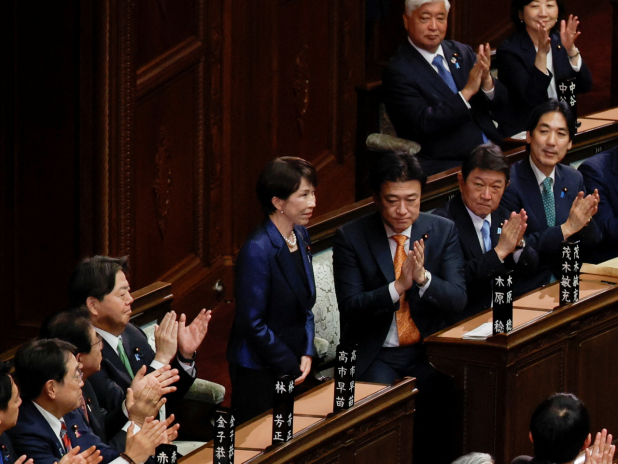
Tokyo – In a historic moment for Japanese politics, Takaichi Sanae has been formally elected as the 105th Prime Minister of Japan. The election, which took place on Wednesday, February 18, 2026, followed voting in both the House of Representatives and the House of Councillors. Takaichi’s election marks a significant shift in Japanese leadership and comes at a time of complex economic and geopolitical challenges for the nation. Her immediate focus is expected to be expediting the deliberation of the national budget, a move seen as crucial for stimulating economic growth and addressing pressing social needs.
Takaichi’s victory represents a notable moment as she becomes one of the few women to hold the office of Prime Minister in Japan’s history. She previously served as Minister for Internal Affairs and Communications, and is known for her conservative policy stances and strong advocacy for economic revitalization. The confirmation of her appointment follows a period of political maneuvering and debate, ultimately resulting in her securing the necessary support from both chambers of the Diet. The swiftness with which she is aiming to move on the budget suggests a determined approach to governing and a commitment to addressing the country’s economic concerns.
New Cabinet Formation and Continuity
Following her election, Prime Minister Takaichi has moved quickly to form a new cabinet. Notably, she has retained all members of the previous cabinet, signaling a commitment to continuity and stability in government policy. This decision, confirmed by the Cabinet Office, suggests Takaichi intends to build upon existing initiatives and avoid significant disruptions during the transition. The retention of familiar faces within the cabinet is likely intended to reassure both domestic and international stakeholders of Japan’s continued commitment to its existing alliances and economic strategies.
The decision to maintain the existing cabinet structure is unusual, and analysts suggest it reflects Takaichi’s confidence in the team she inherited and her desire to avoid a prolonged period of adjustment. According to AASTOCKS.com, the Cabinet Office confirmed the retention of all previous ministers. This move allows Takaichi to focus immediately on the pressing issues facing the nation, particularly the need to address economic stagnation and navigate a challenging global landscape. The continuity also provides a degree of predictability for businesses and investors, which could be beneficial in fostering economic confidence.
Economic Policy and the Consumption Tax Debate
A key policy pledge made by Prime Minister Takaichi during her campaign was the potential cancellation of the consumption tax for two years. This proposal, aimed at boosting consumer spending and stimulating economic activity, has been met with both support and criticism. Whereas proponents argue that a temporary tax cut could provide a much-needed boost to the economy, concerns have been raised by the International Monetary Fund (IMF) regarding the potential impact on Japan’s fiscal health. Hong Kong 01 reported on Takaichi’s reiteration of this policy, alongside the IMF’s warnings.
The IMF has cautioned that cancelling the consumption tax could exacerbate Japan’s already substantial public debt. Japan has one of the highest debt-to-GDP ratios in the world, and further increasing the debt burden could have long-term consequences for the country’s financial stability. However, Takaichi has argued that the short-term economic benefits of a tax cut outweigh the risks, particularly in the context of a sluggish economy. The debate over the consumption tax highlights the tricky choices facing the new Prime Minister as she seeks to balance economic stimulus with fiscal responsibility.
IMF Concerns and Fiscal Sustainability
The IMF’s concerns center around the potential for increased borrowing and the long-term sustainability of Japan’s public finances. A temporary cancellation of the consumption tax would undoubtedly lead to a decrease in government revenue, requiring the government to either cut spending or increase borrowing to maintain essential services. The IMF has consistently urged Japan to pursue fiscal consolidation measures to reduce its debt burden and ensure long-term economic stability. The organization’s warnings serve as a reminder of the delicate balance that Takaichi must strike as she implements her economic policies.
Challenges and Opportunities for the Takaichi Administration
Prime Minister Takaichi faces a multitude of challenges as she embarks on her term in office. These include an aging population, declining birth rates, a stagnant economy, and increasing geopolitical tensions in the region. Addressing these challenges will require a comprehensive and multifaceted approach, encompassing economic reforms, social policies, and a proactive foreign policy. The new administration will also need to navigate the complexities of Japan’s relationship with key allies, such as the United States, and manage its relations with neighboring countries, including China and South Korea.
Despite these challenges, Takaichi’s administration also has opportunities to capitalize on. Japan remains a global leader in technology and innovation, and the country has a highly skilled workforce. By fostering innovation, promoting entrepreneurship, and investing in education, Japan can position itself for future economic growth. Japan’s strong diplomatic ties and its commitment to international cooperation can enable it to play a leading role in addressing global challenges, such as climate change and pandemic preparedness.
Geopolitical Landscape and Regional Security
The geopolitical landscape in East Asia is becoming increasingly complex, with rising tensions in the South China Sea and ongoing concerns about North Korea’s nuclear program. Japan is a key ally of the United States in the region, and the two countries share a common interest in maintaining peace and stability. Takaichi’s administration will need to operate closely with the United States to address these security challenges and ensure the defense of Japan’s interests. Maintaining strong alliances and engaging in proactive diplomacy will be crucial for navigating the turbulent geopolitical waters of the region.
Looking Ahead: Budget Deliberation and Policy Implementation
The immediate priority for Prime Minister Takaichi is the expedited deliberation of the national budget. This budget is expected to include measures aimed at stimulating economic growth, supporting social welfare programs, and strengthening national security. The speed with which the budget is approved will be a key indicator of the new administration’s ability to deliver on its promises and address the pressing needs of the country. The budget deliberation process will be closely watched by both domestic and international observers.
Beyond the budget, Takaichi’s administration will need to develop and implement a comprehensive policy agenda that addresses the long-term challenges facing Japan. This will require a collaborative effort involving government officials, business leaders, academics, and civil society organizations. The success of Takaichi’s administration will depend on its ability to build consensus, forge partnerships, and deliver tangible results for the Japanese people. The coming months will be critical in shaping the direction of Japan under its new leadership.
The next key event to watch will be the detailed unveiling of the national budget and the subsequent debate within the Diet. This will provide further insight into the priorities of the Takaichi administration and its plans for addressing the economic and social challenges facing Japan. We encourage readers to follow these developments closely and engage in constructive dialogue about the future of Japan.
Keep reading