
Navigating the complex landscape of consumer credit requires a clear understanding of the tools available for managing personal finances. For many individuals, a personal loan serves as a strategic instrument to consolidate higher-interest debt, fund significant life events, or manage unexpected expenses. As financial institutions adjust their offerings to meet shifting economic demands, potential borrowers are increasingly evaluating the flexibility and cost structures associated with these credit products.
When considering a personal loan, it is essential to distinguish between the various terms and conditions that govern repayment. A personal loan is effectively a fixed amount of capital borrowed with a formal commitment to repay the principal plus interest over a predetermined period, often referred to as the loan term. While these products provide financial flexibility for a wide range of projects, they are generally not intended to finance post-secondary educational expenses, according to Santander Bank’s resource guidelines.
Understanding Personal Loan Mechanics and Market Variability
The cost of borrowing is primarily determined by interest rates and any associated fees, such as arrangement or origination costs. For instance, specific loan products may offer fixed nominal interest rates that vary based on the applicant’s credit profile and the specific terms of the agreement. As noted in official bank disclosures, interest rates can range significantly, and arrangement fees—often calculated as a percentage of the total loan amount—are typically adjusted to reflect the individual’s creditworthiness.
Borrowers are encouraged to evaluate the “total cost of the loan,” which includes not only the principal and interest but also any applicable fees. Transparency in these calculations is a regulatory standard designed to help consumers compare different financial products effectively. When assessing a potential loan, one should always review the Annual Percentage Rate (APR), which provides a more comprehensive view of the annual cost of credit, including interest and certain fees, than the nominal interest rate alone.
Strategic Uses of Consumer Credit
One of the most frequently cited reasons for securing a personal loan is debt consolidation. By taking out a loan with a lower interest rate to pay off multiple high-interest debts, a borrower can potentially reduce their total monthly payment and simplify their financial management. This strategy is widely recognized as a practical application of consumer credit, provided the borrower maintains a disciplined approach to their new repayment schedule.
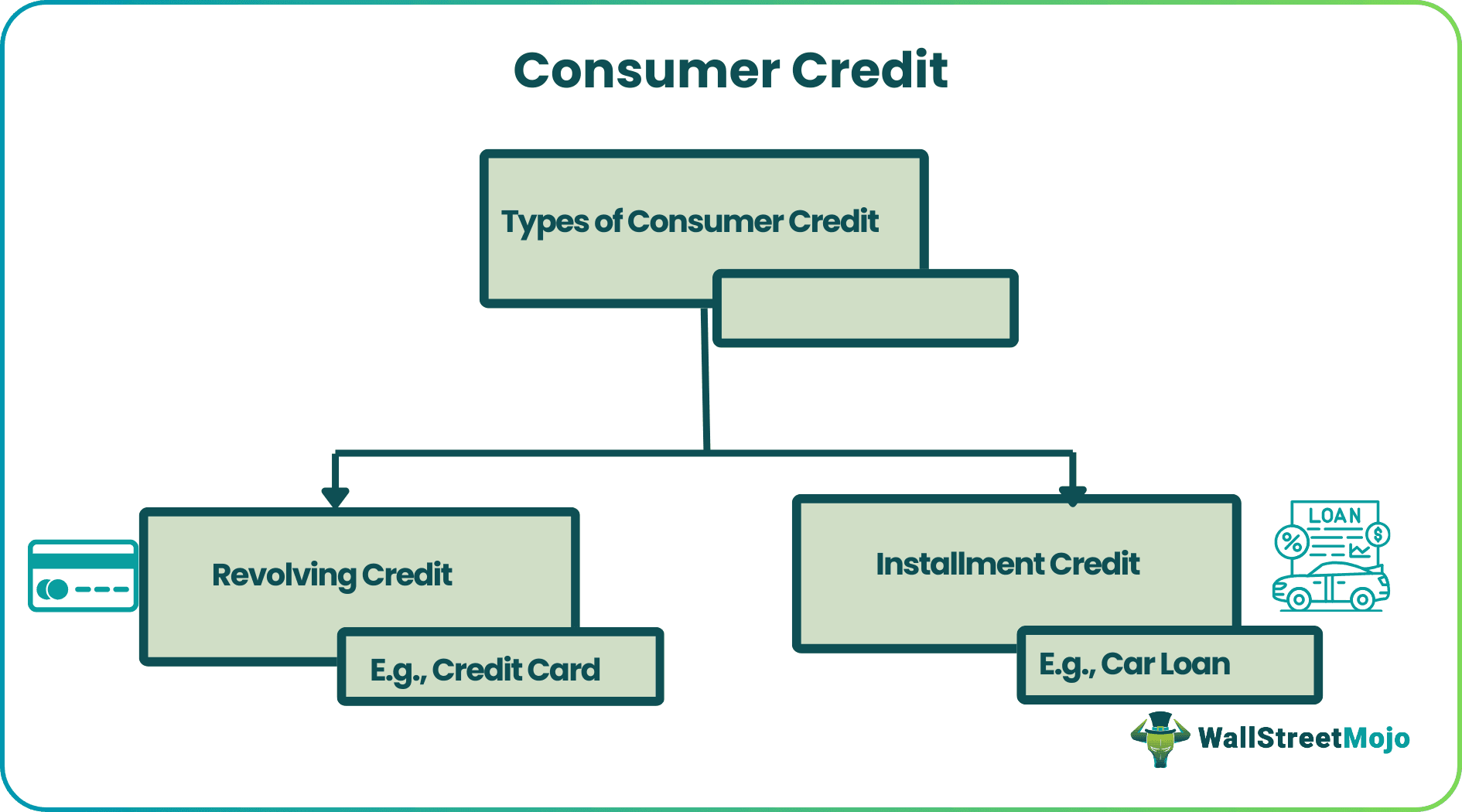
Beyond consolidation, personal loans are often utilized for home improvements, major repairs, or to cover significant life transitions. However, the decision to leverage credit should always be balanced against one’s long-term financial stability. It is recommended that individuals consult with their financial institution to understand the specific “comfort” and “flexibility” features of a product, such as the ability to choose monthly installment amounts or adjust the repayment term to better align with personal cash flow, as outlined by Santander’s consumer loan documentation.
Key Considerations Before Applying
Before committing to a loan agreement, prospective borrowers should consider several critical factors:
- Credit Profile: Your credit history will significantly influence the interest rate and fees offered by the lender.
- Repayment Terms: Understand the duration of the loan. While longer terms may lower monthly payments, they often result in higher total interest costs over the life of the loan.
- Fixed vs. Variable Rates: Most personal loans offer fixed rates, providing predictability in monthly budgeting, but it is important to confirm the terms of your specific contract.
- Insurance and Protection: Some products offer optional protection in the event of unforeseen circumstances, such as unemployment or disability; verify if these protections are relevant to your needs.
For those currently managing existing accounts or seeking information on new credit products, direct communication with your financial provider is the most reliable path. For instance, customers of Santander Consumer USA can access assistance by calling 888-222-4227 during established business hours, according to the company’s official portal.
Next Steps for Prospective Borrowers
Financial markets are dynamic, and product offerings are subject to periodic updates based on institutional policy and economic conditions. If you are a banking customer, you may be able to check for pre-approved offers through your digital banking platform or mobile application, which often provides a streamlined path to viewing available financing options tailored to your profile.
Always request the credit agreement information sheet or a formal loan quote from your branch to ensure you have the most accurate, localized data before signing any agreement. As you move forward, keep an eye on your bank’s official digital channels for the most recent updates regarding interest rate shifts or changes to loan product availability. We invite our readers to share their experiences with debt management strategies in the comments section below.
Related reading