
Failure to maintain strict orthodontic elastic compliance can significantly extend the total duration of dental treatment. Orthodontic patients who do not wear their prescribed rubber bands for the full number of hours recommended by their dentist risk stalling tooth movement or causing teeth to shift back toward their original positions, potentially adding months or even years to their treatment timelines.
Dentistry professionals, including Dr. Sacha Gabriel, have highlighted via social media platforms that the discomfort associated with orthodontic elastics is often a sign of the corrective force working, rather than a reason to reduce usage. The “neglected detail” often cited by practitioners is the consistency of wear; elastics are not intended to be worn intermittently, but rather as a continuous force to facilitate biological changes in the jaw and teeth.
When patients treat elastic wear as optional or only wear them during certain times of the day, they interrupt the biological process required for permanent tooth repositioning. This lack of adherence is a primary driver of delayed orthodontic outcomes globally.
Why does orthodontic elastic compliance affect treatment speed?
The movement of teeth is not merely a mechanical process of pushing bone; it is a complex biological phenomenon known as bone remodeling. To move a tooth, the orthodontic appliance must apply a specific, continuous amount of pressure to the periodontal ligament—the soft tissue connecting the tooth to the bone.
This pressure triggers a cellular response involving two main types of cells: osteoclasts and osteoblasts. According to established orthodontic principles, osteoclasts are responsible for breaking down bone on the side where the tooth is moving, while osteoblasts build new bone on the side the tooth is moving toward. This process, called mechanotransduction, requires a steady, predictable force to remain active.
When a patient removes their elastics for extended periods, the pressure is released, and the biological signaling slows or stops. This “stop-and-start” approach prevents the bone remodeling process from maintaining its momentum. Instead of a smooth transition, the teeth may experience “stalled movement,” where the progress made during hours of wear is negated by the lack of force during the hours the elastics are removed.
What are the consequences of irregular rubber band usage?
Irregular usage of orthodontic elastics leads to several documented clinical issues that extend treatment time and increase costs for the patient.
- Relapse and Regression: Teeth have a “memory” due to the elastic nature of the periodontal ligaments. If the corrective force is removed prematurely, the teeth may begin to drift back toward their malaligned positions, effectively resetting the progress made in previous weeks.
- Stalled Progress: Orthodontists design treatment plans based on the assumption of a specific level of patient compliance. If the force is not applied as planned, the teeth may reach a plateau where they no longer move, requiring the orthodontist to adjust the treatment plan or use different appliances.
- Increased Financial Burden: Longer treatment durations often result in additional costs, including extended monthly retainers, more frequent office visits, and potentially the need for additional hardware to correct movements that were missed during the initial phase.
- Incomplete Bite Correction: While braces or aligners move individual teeth, elastics are often the primary tool used to correct the relationship between the upper and lower arches (the bite). Without consistent elastic wear, the teeth may look straight, but the patient may still suffer from a functional bite issue, such as an overbite or underbite.
How do different types of orthodontic elastics work?
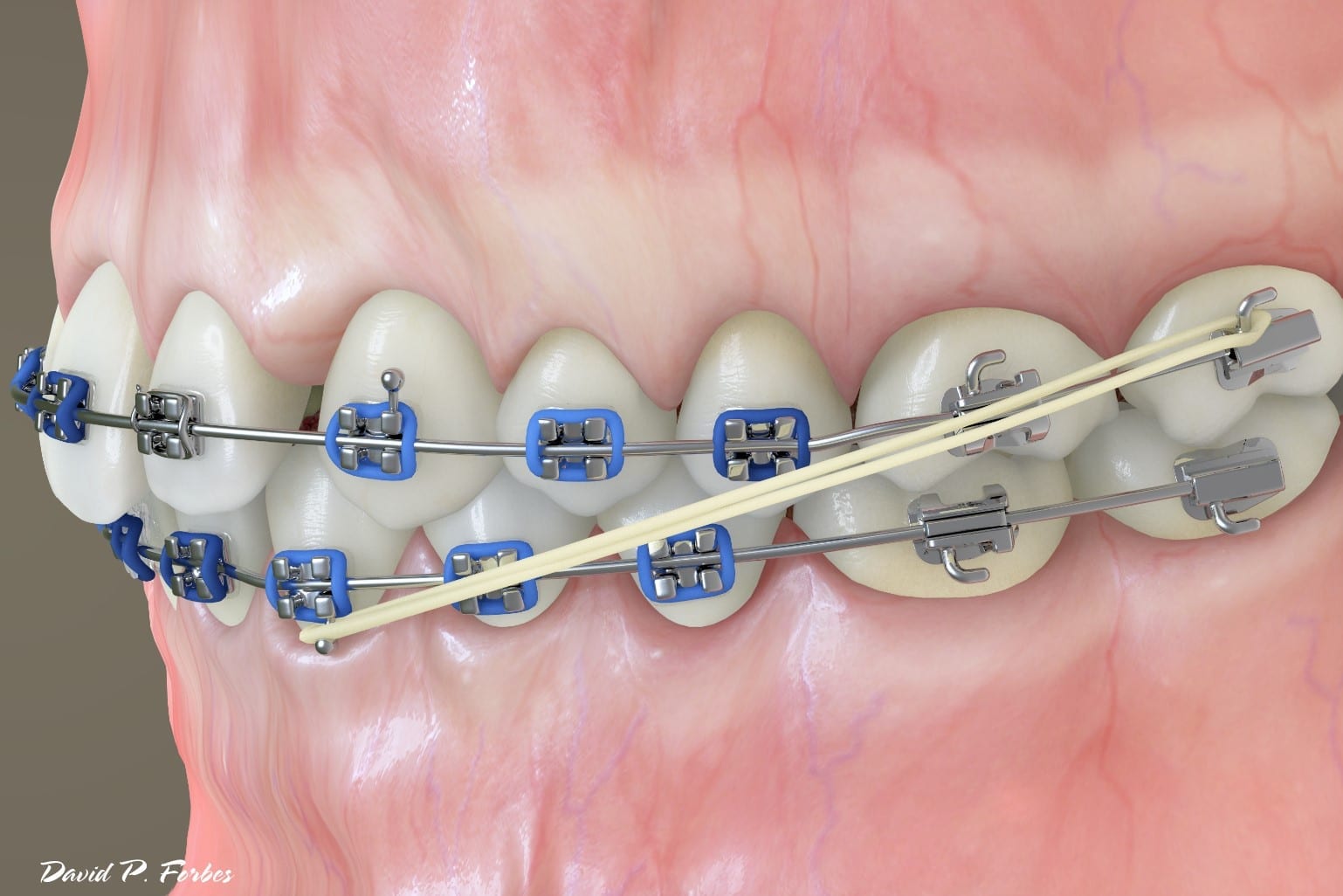
Orthodontists prescribe different patterns of elastic wear depending on the specific correction required. Understanding these patterns can help patients recognize why their specific instructions are so rigid.
Class I Elastics: These are typically used to correct a Class II malocclusion, where the upper teeth protrude too far forward. These elastics connect the upper canine area to the lower molar area, pulling the upper teeth back and the lower teeth forward.
Class II Elastics: Used to address specific bite discrepancies, these focus on adjusting the relationship between the maxillary (upper) and mandibular (lower) arches to ensure proper alignment during chewing and speaking.
Class III Elastics: These address a Class III malocclusion, often referred to as an underbite, where the lower teeth sit in front of the upper teeth. These elastics pull the lower teeth back and the upper teeth forward.
Regardless of the class, the physics remains the same: the elastics provide the “inter-arch” force that braces alone cannot achieve. Because these forces are applied to the entire jaw structure, the timing of wear is even more critical than it is for individual tooth movement.
How can patients ensure they are using elastics correctly?
To avoid extending treatment time, patients should adopt a disciplined routine regarding their orthodontic hardware. Clinical guidance suggests the following best practices for maintaining compliance:

Adhere to the “22-Hour Rule”: Most orthodontists recommend wearing elastics for 20 to 22 hours a day. This usually means removing them only for eating and cleaning teeth. Treating elastics as something to be worn “most of the time” is a common mistake that leads to treatment delays.
Replace Elastics Frequently: Orthodontic elastics lose their tension over time due to stretching and exposure to saliva and food particles. A worn-out elastic provides less force than prescribed, which can lead to inadequate tooth movement. Patients should replace their elastics according to the schedule provided by their clinic, often every few hours or daily.
Maintain Oral Hygiene: The area around the hooks and elastics is highly susceptible to plaque buildup. Because elastics can trap food particles, meticulous brushing and flossing are required to prevent decalcification (white spots on teeth) and gingivitis, which can further complicate orthodontic progress.
Use a Compliance Tracker: For patients who struggle with consistency, using a mobile app or a simple checklist to log when elastics are placed and removed can provide accountability and help identify patterns of non-compliance.
Frequently Asked Questions about Orthodontic Elastics
Why do orthodontic elastics cause pain?
The pain or pressure felt when first putting on elastics is typically a sign that the force is being applied to the periodontal ligament. This pressure is what initiates the bone remodeling process. While uncomfortable, this sensation usually diminishes as the teeth begin to move and the bone adapts to the new position.
Can I skip wearing my elastics for a day if I am busy?
Skipping even a single day can disrupt the continuous force required for effective tooth movement. While one day may not cause a total relapse, frequent “skipping” creates an inconsistent environment for the bone cells, which can significantly lengthen the total time you need to wear braces or aligners.
What should I do if an elastic breaks?
If an elastic breaks, you should replace it immediately with a new one from your supply. If you have run out of elastics, contact your orthodontist’s office right away to request a replacement. Do not wait until your next scheduled appointment to address a lack of elastics.
How do I know if my elastics are working?
You will often feel increased pressure when you first put them in. However, the most reliable way to know if they are working is through regular progress checks with your orthodontist. If you notice your teeth are not moving as expected during your check-ups, it may be an indication that your compliance levels need to increase.
Patients are encouraged to consult their specific orthodontic treatment plan and contact their dental provider for personalized guidance regarding elastic wear and tooth movement.
Do you have experience with orthodontic treatment? Share your tips for maintaining compliance in the comments below, and share this article with anyone currently undergoing dental corrections.
Related reading