
Jacobo Cortines’ poetry collection, De un adiós permanente, establishes the author as a uniquely differentiated lyrical voice within the contemporary literary scene. Critic Rogelio Reyes Cano notes that the work’s highly personal poetic style distinguishes Cortines from his contemporaries, blending profound lyrical depth with a singular perspective on the human condition.
The critique of the collection highlights Cortines’ ability to create a poetic identity that is both distinct and deeply resonant. According to Reyes Cano, the poet succeeds in forging a “personalísima” (highly personal) voice, a quality that places him in a specific category within the current landscape of modern literature.
This emergence of a new lyrical voice comes at a time when the literary world is increasingly looking for authenticity and individual expression. By focusing on the nuances of the “permanent goodbye,” Cortines addresses universal themes of loss and memory through a lens that Reyes Cano describes as unequivocally differentiated from other existing poetic trends.
Analyzing the Lyrical Distinction of Jacobo Cortines
The distinction of a poet often rests on their ability to maintain a consistent yet evolving voice. In the case of Jacobo Cortines, the collection De un adiós permanente serves as a testament to this stylistic autonomy. Reyes Cano’s assessment suggests that Cortines does not merely follow established poetic traditions but rather integrates them into a new, cohesive framework.
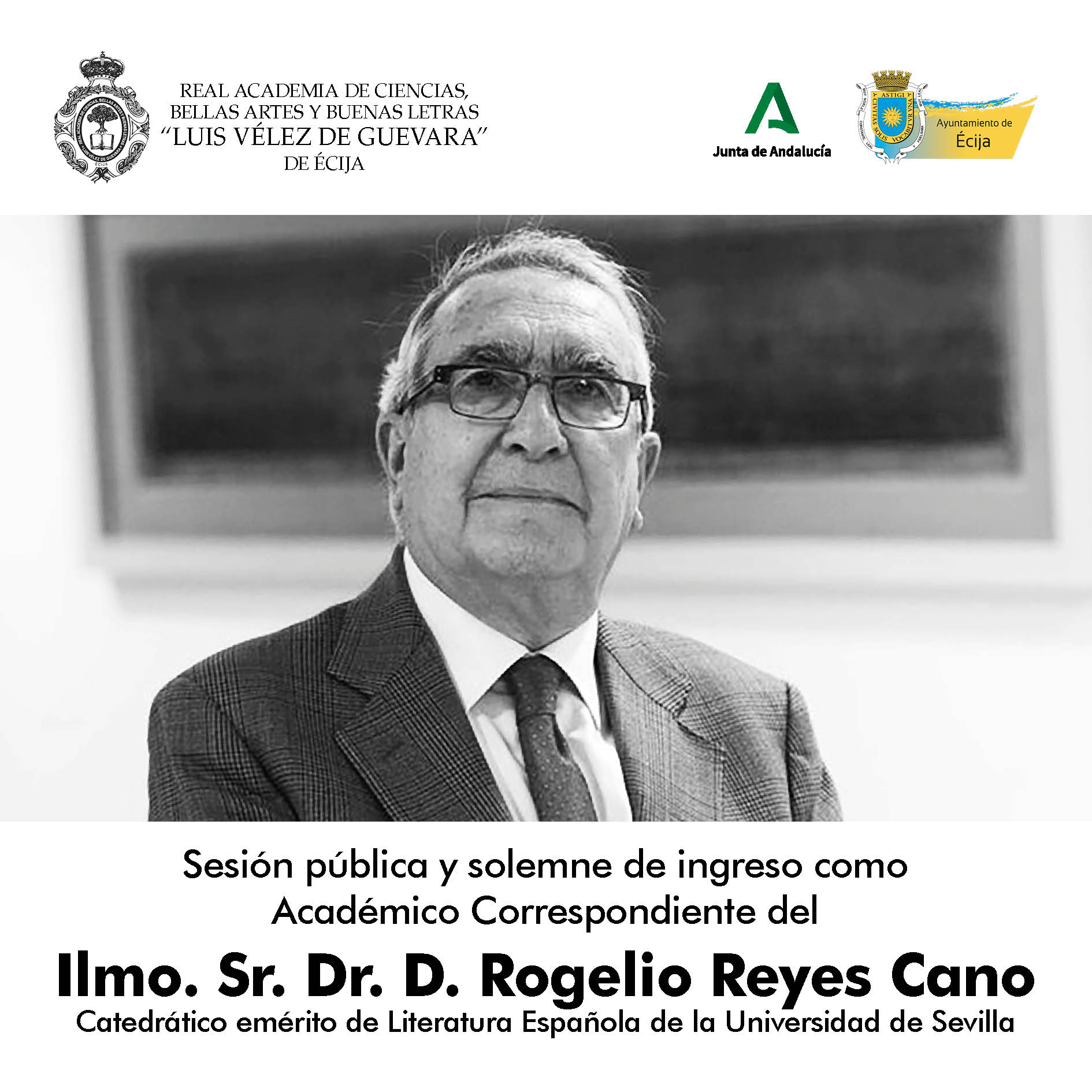
The term “personalísima” used in the critique implies that the language used by Cortines is not generic. Instead, it is tied to a specific emotional and intellectual temperament. This level of specificity is what critics often cite when identifying a poet who has moved beyond imitation into true creation. The work functions by fusing lyrical elements in a way that feels both intentional and spontaneous.
For readers of contemporary poetry, the importance of such a voice lies in the departure from the repetitive structures often found in modern verse. Cortines appears to be navigating the tension between the permanence of the written word and the fleeting nature of the subjects he describes, such as the “permanent goodbye” referenced in the title.
The Role of Rogelio Reyes Cano in Literary Criticism
Rogelio Reyes Cano’s observations provide a critical framework for understanding Cortines’ contribution to the genre. In literary circles, the endorsement of a critic who recognizes a “differentiated” voice is a significant marker of a poet’s entry into the serious literary conversation. The critique focuses on the technical and emotional fusion that Cortines achieves.
Critics like Reyes Cano often look for the intersection of technique and sincerity. In this instance, the focus is on how the poet “funde” (fuses) various lyrical elements to create a unified whole. This fusion is not merely a stylistic choice but a fundamental component of the book’s identity, allowing the themes of departure and presence to coexist within the text.
By identifying Cortines as a voice that stands apart, the critique invites a broader discussion on what constitutes “originality” in a contemporary era where global influences are omnipresent. The assertion is that Cortines has managed to maintain a sense of selfhood that resists the homogenization of modern lyrical writing.
Themes of Departure and Permanence in Modern Verse
The title De un adiós permanente suggests a preoccupation with the finality of experience and the lingering traces left behind by those who depart. This theme is a cornerstone of lyrical poetry, yet Cortines approaches it with a specific gravity that characterizes his unique style.
The concept of a “permanent goodbye” can be interpreted through several lenses:
- Existentialism: The recognition of the inevitable transitions in human life.
- Memory: How the act of saying goodbye creates a permanent fixture in the psyche of the survivor.
- Lyrical Structure: The way the poem itself acts as a vessel for something that is no longer present.
Cortines uses these themes to build a bridge between the personal and the universal. While the poems are deeply rooted in the author’s specific lyrical perspective, the emotions they evoke—grief, acceptance, and the weight of absence—are widely recognizable. This balance is what Reyes Cano identifies as a key strength of the poet’s work.
Key Takeaways from the Literary Critique
- Unique Voice: Jacobo Cortines is recognized for a highly personal and differentiated lyrical style.
- Critical Recognition: Rogelio Reyes Cano identifies the work as a significant contribution to the current literary landscape.
- Thematic Depth: The collection focuses on the complexities of departure and the concept of permanence.
- Stylistic Fusion: The poet is noted for his ability to fuse lyrical elements into a singular, cohesive expression.
As the literary community continues to evaluate the impact of De un adiós permanente, the conversation around Cortines’ role in contemporary poetry is expected to grow. The collection serves as both a personal exploration and a broader statement on the state of modern lyricism.

Further updates regarding literary awards, upcoming readings, or new publications from Jacobo Cortines will be monitored as they become available through official publishing channels.
What are your thoughts on the evolution of contemporary lyrical poetry? Do you believe a “personal voice” is harder to maintain in the digital age? Share your comments below and share this article with your fellow readers.