
Quebec is moving toward a more integrated digital health landscape to streamline patient care and data management. Reports indicate that Santé Québec plans to launch a pilot project next month to test a new Quebec digital health record designed to consolidate patient information online. This initiative aims to create a centralized system that, over time, will group essential health data into a single digital interface.
The move comes as the province seeks to modernize its healthcare infrastructure, building upon existing systems that already handle sensitive medical information. By testing this digital health record in a pilot phase, officials can evaluate the efficiency of data consolidation before a broader rollout across the provincial health network.
Central to this evolution is the Dossier santé Québec (DSQ), a platform that currently facilitates the secure and timely sharing of health information between authorized organizations and healthcare providers. The transition toward a more comprehensive digital record is intended to enhance the coordination of care and ensure that critical patient data is available to clinicians when It’s most needed.
The Infrastructure of Digital Health in Quebec
To understand the scope of the upcoming pilot project, it is essential to distinguish between the different platforms currently operating within the Quebec health system. The province utilizes separate tools for professional collaboration and patient-facing records, both of which serve as the foundation for the new digital health record initiatives.
The Dossier santé Québec (DSQ) serves as the primary backbone for professional healthcare delivery. It is a secure platform specifically designed for authorized health professionals and organizations to communicate and consult health information. This system is governed by a strict legal and regulatory framework to ensure the confidentiality and privacy of patient data, focusing on the integrity, availability, and accessibility of the records stored within the system .
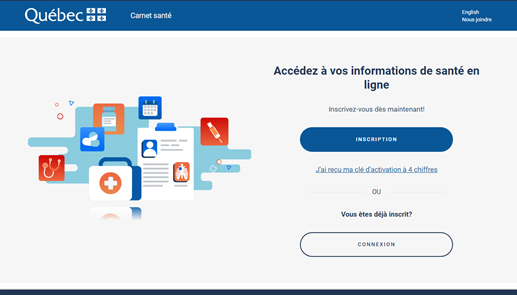
Parallel to the professional DSQ is Carnet santé Québec, which provides patients with a direct window into their own medical history. This tool allows individuals to track several key aspects of their health journey, including:
- Medication history and tracking.
- Laboratory test results (prélèvements).
- Medical imaging examinations.
- Scheduled medical appointments.
Security, Authentication, and Patient Access
As the province moves toward a more consolidated Quebec digital health record, the security of sensitive data remains a primary focus. The current architecture relies on a tiered access system to prevent unauthorized disclosure of medical information.
For patients accessing their records via Mon dossier santé, the province has implemented a streamlined identification process. The primary method of access is the Government of Quebec’s authentication service, which provides a secure way for citizens to identify themselves or create an account. For those unable to use the digital authentication service, support is available through visits to participating healthcare establishments .
The security of these systems is not merely technical but regulatory. The framework surrounding the DSQ includes rigorous provisions for privacy and the irrevocable nature of certain health records, ensuring that the sharing of information occurs only between authorized intervenors in a timely and secure manner.
Comparison of Quebec Health Data Platforms
| Platform | Primary User | Key Function | Access Method |
|---|---|---|---|
| Dossier santé Québec (DSQ) | Authorized Professionals | Secure inter-organizational data sharing | Professional authorization |
| Carnet santé Québec | Patients | Tracking meds, tests, and imaging | Patient portal |
| Mon dossier santé | Patients | Personal health record login | Government authentication service |
What the Digital Transition Means for Patients
The transition to a consolidated digital health record is expected to reduce the fragmentation of patient data. Currently, even as the DSQ allows professionals to share data and Carnet santé allows patients to view it, the goal of the new pilot project is to further integrate these online resources.
For the average patient, this means a reduction in the demand to manually provide medical histories or repeat tests since a previous record was inaccessible. When health data is grouped online and accessible to authorized providers in real-time, the risk of medical errors decreases and the speed of diagnosis typically increases.
However, the success of such a system depends on the continued balance between accessibility and privacy. The province’s reliance on the government authentication service for “Mon dossier santé” suggests that identity verification will remain a cornerstone of the digital health strategy to prevent data breaches.
The next confirmed checkpoint for this initiative is the launch of the pilot project, which is scheduled to initiate next month. This phase will be critical in determining how the consolidated digital health record performs in a real-world clinical setting before any province-wide implementation.
Do you have questions about how your health data is managed in Quebec? Share your thoughts in the comments below or share this article with others who may be affected by these digital changes.
Related reading
- <b><strong>This Everyday Habit Could Be Shrinking Your Brain</strong></b>
- Le cœur des femmes est en danger – Mag’Centre
- The Relationship Between Vaping and Health: Separating Fact from Alarmist Headlines (world-today-news.com)
- Luke Littler wins World Matchplay and breaks Phil Taylor’s average record (time.news)