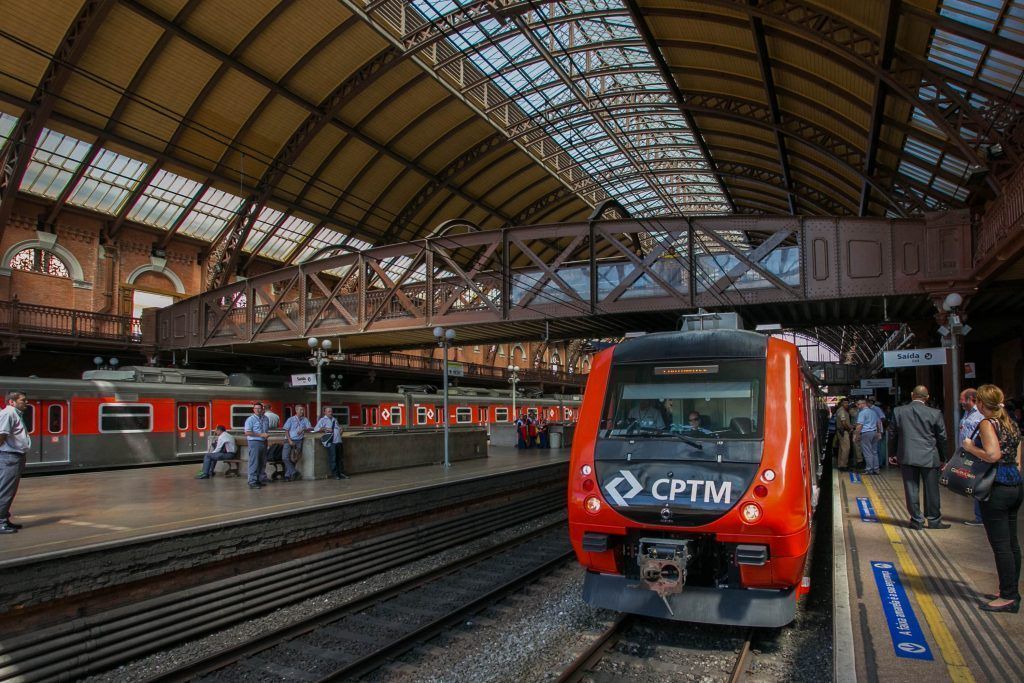
Rail workers in São Paulo voted to end a two-day strike on Wednesday, after the state government proposed legislation securing jobs during private concessions.
The strike, launched at midnight on Tuesday by workers represented by the Sindicato dos Ferroviários, paralyzed key passenger corridors operated by the Companhia Paulista de Trens Metropolitanos (CPTM).
The union assembly, held at the Sindicato dos Trabalhadores em Empresas Ferroviárias da Zona Central do Brasil in the Brás neighborhood, saw 131 workers vote to accept a proposal from the labor court and return to work, while 26 voted to continue the stoppage, noticias.r7.com reported. Despite halting the strike, the union maintained an official state of alert, stating it would closely monitor the fulfillment of commitments made by the state.
Legislative Guarantees and the Push for Job Security
The breakthrough in negotiations came after São Paulo Governor Tarcísio de Freitas announced plans to submit a bill guaranteeing that all CPTM workers affected by ongoing private concessions would be absorbed or reassigned, terra.com.br noted. The dispute centered on the transfer of Line 11-Coral, Line 12-Safira, and Line 13-Jade to the private operator Trivia Trens, with union members expressing deep concern over job security for employees.
Workers had actively supported a specific legislative measure, Projeto de Lei 730/2025 introduced by federal deputy Guilherme Cortez, which mandated the integration of CPTM staff into direct or indirect state administration bodies following private takeovers. During labor court discussions on Wednesday, magistrates proposed expanding this job protection framework to include workers on Line 10-Turquesa as a preventive measure against future walkouts.
Tarcísio de Freitas, Governor of São Paulo, stated via terra.com.br that that bill fell under the purview of the Executive branch, through which they guaranteed the absorption, integration, utilization, and redeployment of all workers.
Governor Freitas took a firm stance against the labor action, arguing that the administration had already provided clear reassurances regarding employment stability. Governor Freitas remarked during morning interviews that they no longer wanted to see the citizens of São Paulo held hostage or suffering at the mercy of union decisions, threatening legal recourse through the regional labor tribunal, superior labor court, and supreme court if operations were not restored immediately.
Severe Commuter Disruption and Soaring Transport Costs
While political leaders and union representatives sparred, the two-day shutdown dealt immediate economic and logistical blows to commuters across the metropolitan region.
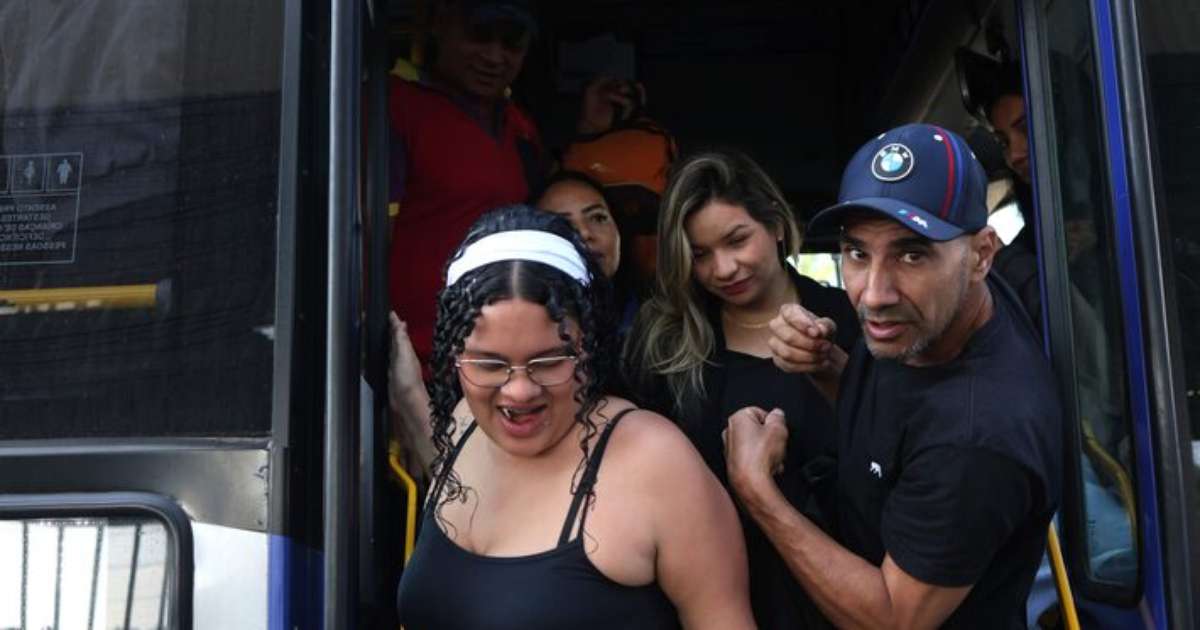
Emergency bus systems implemented under the PAESE relief framework failed to match the capacity of the rail network. Commuters recounted hours of gridlock, overcrowded buses, and exorbitant alternative transport expenses.
Jéssica Garcia, computer assistant, stated via InfoMoney that the PAESE buses were extremely crowded with very long intervals between departures, but rideshare trips that usually cost 20 reals were going for 85 reals, leaving no other alternative.
Other travelers shared similar accounts of financial strain and exhaustion. Logistics supervisor Leticia Marques told InfoMoney that her usual rideshare commute surged from 30 reais to 80 reais during the disruption. Traffic congestion in the capital reached over one thousand kilometers of queues by Tuesday evening as gridlock intensified around major transit hubs like Guaianases and Tatuapé.
Operational Turmoil Preceding the Walkout
The friction between the state and the workforce developed against a backdrop of recent operational instability. Just weeks earlier, the state government and the Transport Agency of the State of São Paulo intervened by temporarily returning the three rail lines to state management under CPTM for a 90-day period.

That intervention followed severe service disruptions and technical failures shortly after Trivia Trens took over operations. Among the incidents cited by officials was an onboard fire near the Bresser-Mooca station on July 23, which heavily disrupted public transit and inflamed public concern over the privatization process.
With trains scheduled to resume standard service ahead of the evening rush hour, state officials and union leaders face a critical window to finalize the promised legislative protections and prevent further paralysis across São Paulo’s rail network.
- Neanderthal Gene Variant Linked to Increased Muscle Mass in Modern Humans
- Andy Burnham Meets Swimmer Archie Goodburn to Discuss Urgent Brain Cancer Research Funding
- US-Mediated Israel-Lebanon Talks Resume in Rome to Address Border Security (time.news)
- Washington State Honors Immunization Leaders for National Immunization Awareness Month (news-usa.today)