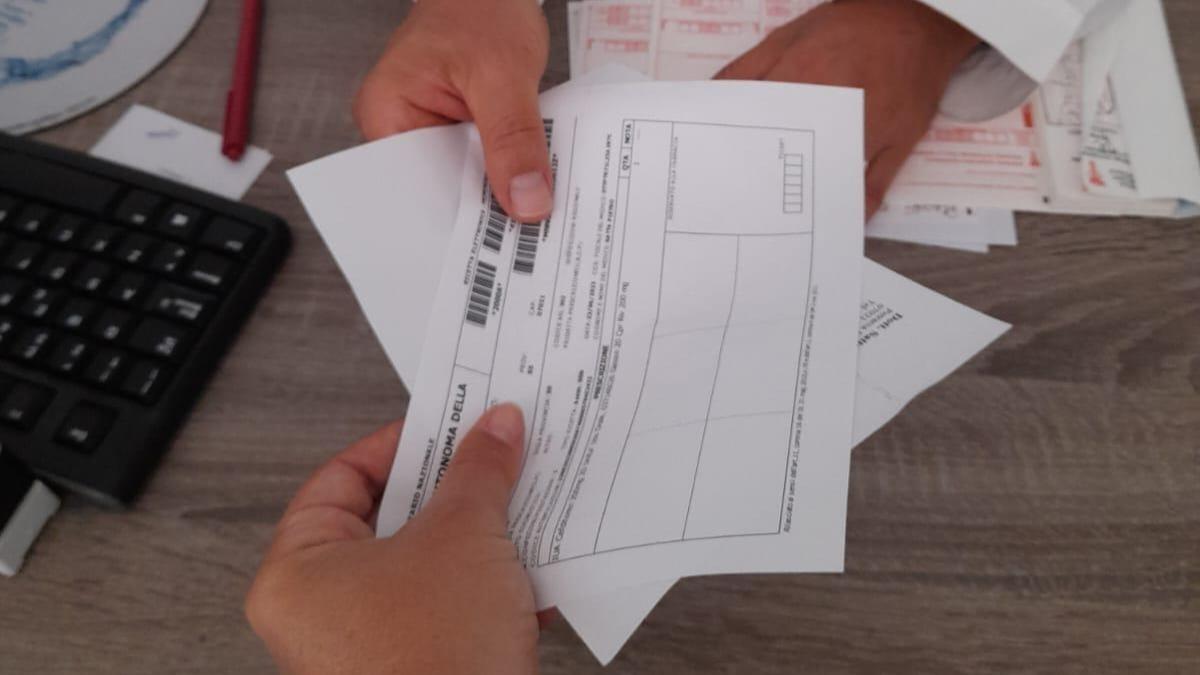
The healthcare system in Sardinia, Italy, is facing a critical shortage of general practitioners, leading to increasingly desperate measures for residents seeking basic medical care. Recent reports detail instances where patients have been forced to call the police for assistance in accessing appointments at local Ascot (ambulatory services) facilities, highlighting a system stretched to its breaking point. This situation underscores a broader crisis in primary care access across the region, with significant implications for public health and patient well-being.
The challenges are particularly acute in the province of Oristano, where a substantial number of residents are currently without a designated family doctor. This lack of access forces individuals to rely on Ascot services, which are designed to supplement, not replace, traditional primary care. The resulting strain on these facilities has led to long wait times, overcrowded waiting rooms, and, in some cases, confrontations between patients and staff. The situation is a stark illustration of the difficulties faced by Italy’s public healthcare system in meeting the needs of its population, particularly in more remote or underserved areas.
Escalating Frustration: When Patients Call for Police Assistance
Recent events in Ghilarza, a town in the province of Oristano, brought the crisis to a head. According to reports, a patient at the Ascot facility within the Delogu hospital contacted the Carabinieri (Italian police) after becoming frustrated with the lengthy wait and limited availability of appointments. Approximately fifty patients were reportedly waiting for care, while the doctor on duty was only able to see thirty. While the doctor ultimately extended their hours to accommodate as many patients as possible, the incident exposed the deep-seated anger and desperation felt by those struggling to access essential medical services. This incident is not isolated; similar scenes are unfolding in other towns across the region, including Terralba, where patients are reportedly waiting up to six hours for a prescription.
The Numbers Paint a Grim Picture
Grazia Cattina, the General Director of the ASL 5 (Local Health Authority) of Oristano, has acknowledged the severity of the situation, stating that 42,978 residents within the ASL’s jurisdiction currently lack a family doctor. This figure is distributed across the districts of Oristano (14,231), Ghilarza-Bosa (15,052) and Ales-Terralba (13,695). The disparity is particularly pronounced in Terralba, where 7,000 residents are without a physician, yet the ASL allocates only 50 weekly hours of Ascot service – effectively requiring one and a half doctors to cover the workload of nearly five. The province of Oristano is facing a shortage of 62 general practitioners, according to Cattina.
Temporary Solutions and Long-Term Strategies
To address the immediate crisis, the ASL 5 is operating 37 Ascot facilities across the province, adjusting schedules based on need and physician availability. However, this is a temporary solution. The ASL is also relying on retired doctors, with ten already returning to service in 2026 to prevent the complete closure of facilities. Cattina expressed regret for the inconveniences experienced by patients, attributing them to the “objective difficulty in finding doctors.”
Looking ahead, the ASL is pinning its hopes on the development of Case di Comunità (Community Houses) as part of Italy’s National Recovery and Resilience Plan (Pnrr), and the expansion of telemedicine services. These initiatives aim to improve access to care and reduce the burden on existing facilities. However, critics argue that these long-term solutions are insufficient to address the immediate needs of the population and that more urgent action is required to recruit and retain general practitioners.
Ascot Schedules and Availability (February 23, 2026 Onward)
The ASL 5 has recently updated the opening hours for Ascot facilities across the province of Oristano, effective February 23, 2026. Here’s a summary of the schedules:
- Ales (corso Cattedrale, 53): Monday, 3:00 PM – 8:00 PM
- Busachi (via Satta, 39): Monday, 9:00 AM – 2:00 PM; Tuesday, 2:30 PM – 7:30 PM; Thursday, 9:30 AM – 2:30 PM
- Ghilarza (presso ospedale Delogu): Monday, 3:00 PM – 8:00 PM; Tuesday, 9:30 AM – 2:30 PM & 3:00 PM – 8:00 PM; Thursday, 3:00 PM – 8:00 PM; Friday, 3:00 PM – 8:00 PM; Saturday, 8:30 AM – 1:30 PM
- Gonnostramatza (via Diaz): The appointment scheduled for February 27th has been moved to February 26th, 3:00 PM – 8:00 PM
- Nughedu Santa Vittoria (via del Parco): Thursday, 9:00 AM – 2:00 PM & 3:00 PM – 8:00 PM
- Paulilatino (viale della Libertà): Monday, 2:30 PM – 7:30 PM; Thursday, 2:30 PM – 7:30 PM; Saturday, 3:00 PM – 8:00 PM
- Terralba (via Napoli, 3): Monday, 2:00 PM – 7:00 PM; Tuesday, 9:00 AM – 2:00 PM; Wednesday, 2:00 PM – 7:00 PM; Thursday, 8:00 AM – 1:00 PM, 2:00 PM – 7:00 PM & 2:30 PM – 7:00 PM
These schedules are intended to serve the residents of specific municipalities, as outlined by the ASL 5. The Ascot of Ghilarza, for example, serves Ghilarza, Abbasanta, Aidomaggiore, Bidonì, Boroneddu, Norbello, Sedilo, Soddì, Sorradile and Tadasuni.
A Region-Wide Problem: Sardinia’s Healthcare Challenges
The situation in Oristano is symptomatic of a broader healthcare crisis affecting the entire island of Sardinia. Approximately 450,000 residents across Sardinia lack a family doctor, a figure that has fueled growing public discontent. A demonstration organized by the Coordinamento dei comitati per la salute (Coordination of Health Committees) is planned for March 7th in Cagliari to protest the lack of access to primary care and demand urgent action from regional authorities.
The lack of doctors is not solely a recruitment issue. Factors such as relatively low salaries compared to other regions of Italy, limited career development opportunities, and the challenges of practicing medicine in rural areas contribute to the difficulty of attracting and retaining healthcare professionals. The reliance on retired doctors, while providing a temporary reprieve, is not a sustainable long-term solution.
The ongoing crisis underscores the urgent need for comprehensive reforms to address the systemic challenges facing Sardinia’s healthcare system. This includes not only increasing funding and improving working conditions for doctors but also investing in innovative solutions such as telemedicine and community-based care models to improve access to care for all residents.
The next key date to watch is March 7th, when the Coordinamento dei comitati per la salute will hold its demonstration in Cagliari. This event is expected to draw significant attention to the healthcare crisis and put pressure on regional authorities to take decisive action. Readers interested in learning more about the situation and advocating for improved healthcare access are encouraged to follow the developments and engage with local advocacy groups.
Worth a look
- Nasal Hygiene & Wellness Products Online | Antica Farmacia Orlandi
- ESCRT-III Proteins Protect DNA Bridges to Safeguard Genome Stability
- FDA's Compounded Semaglutide Ban, Explained: What Changes for Patients (daybreakwire.com)
- Japan Quake Death Toll Reaches 34 Amid Extreme Heat and Water Shortages (archyworldys.com)