The Growing Threat of Satellite Constellations to Astronomical Observation
The night sky, a source of wonder and scientific discovery for millennia, is facing a new form of light pollution: a rapidly increasing number of satellites. In just the last four years, more satellites have been launched than in the previous 70 years of spaceflight combined. This surge, driven largely by companies deploying massive broadband constellations, is beginning to considerably impact astronomical research and threatens the future of our ability to study the universe.
The Scale of the Problem
as of December 1, 2023, over 10,000 active satellites orbit Earth, according to astrophysicist Jonathan mcdowell of the Harvard-Smithsonian Center for Astrophysics. SpaceX dominates this landscape, with over 7,800 Starlink satellites currently in orbit. And this is just the beginning. The International Telecommunication Union (ITU) anticipates “thousands more” launches in the near future.
This exponential growth isn’t just a numbers game. It directly translates to interference with astronomical observations.
Impact on Telescopes – Now and in the Future
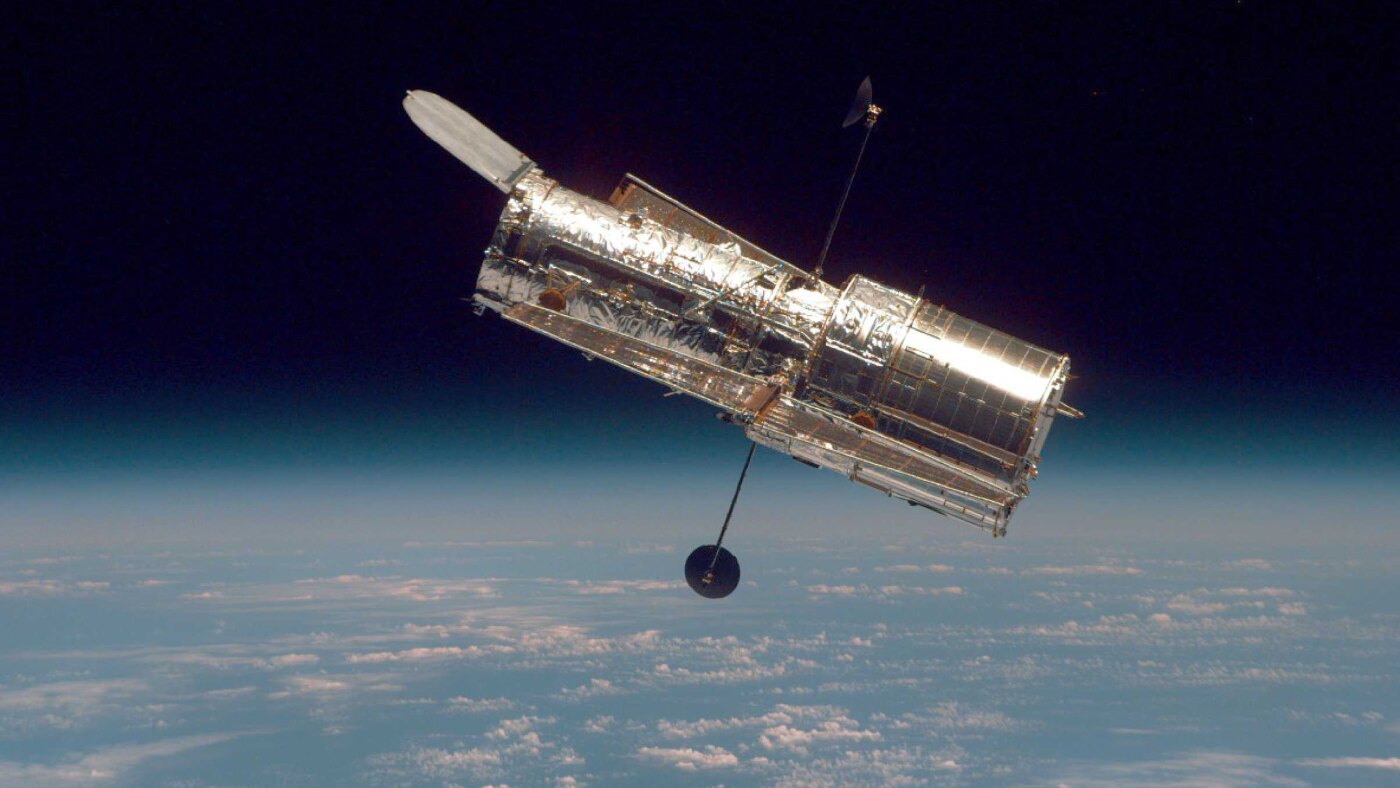
The effects are already being felt. A 2023 study published in nature Astronomy found that approximately 4% of images captured by the Hubble Space Telescope between 2018 and 2021 contained light streaks from satellites. However, experts predict this number will climb dramatically.
* Hubble: Researchers now anticipate that at least one in three Hubble images will be affected by satellite trails.
* Next-Generation Telescopes: The situation is even more dire for upcoming observatories. According to recent research, telescopes like SPHEREx, ARRAKIHS, and Xuntian could see up to 96% of their images contaminated by satellite interference.
These streaks aren’t merely aesthetic blemishes. They compromise the integrity of scientific data, requiring critically important time and resources to mitigate or discard affected images. Ground-based telescopes are also vulnerable to this increasing light pollution.
Why is This Happening?
The primary driver behind this satellite boom is the demand for global broadband internet access.companies like spacex are deploying large constellations of satellites to provide internet service to underserved areas. While the benefits of increased connectivity are undeniable,the current approach lacks sufficient consideration for the astronomical community.
Concerns Beyond Image Quality
The implications extend beyond just image contamination.The American Astronomical society (AAS) has voiced concerns about:
* Collisions: Increased satellite density raises the risk of collisions, creating space debris that further endangers operational satellites and telescopes.
* Glares and Streaks: Reflected sunlight from satellites creates persistent glares and streaks, hindering observations.
The ITU echoes these concerns, highlighting the potential for “significant risks to space sustainability,” including debris generation that could jeopardize long-term access to orbital resources. they are advocating for stricter international regulations and improved satellite network management.
What’s Being Done?
The science community isn’t standing still. the AAS is actively collaborating with federal agencies and the satellite industry to find solutions. SpaceX has acknowledged the issue and is taking some steps to mitigate the impact, including:
* Darker Coatings: Testing coatings designed to reduce reflectivity.
* Visors: Adding visors to block direct sunlight.
* Orbital Adjustments: Adjusting satellite orbits to minimize sunlight reflection.
However, manny astronomers beleive these measures are insufficient to address the scale of the problem.
Looking Ahead: A Call for Collaboration
The future of astronomical observation depends on finding a sustainable balance between the benefits of satellite technology and the need to preserve our view of the universe. This requires:
* international Cooperation: Establishing globally enforced regulations regarding satellite deployment and operation.
* Industry Responsibility: Encouraging satellite operators to prioritize minimizing their impact on astronomical research.
* Continued Dialog: Fostering open communication and collaboration between astronomers, policymakers, and the space industry.
You, as a reader interested in space and science, deserve to no about these challenges. Protecting our ability to explore the cosmos is a shared responsibility, and informed discussion is the first step toward finding effective solutions.
Resources:
* [Jonathan McDowell’s Satellite Data](https://planet4589.org/space/stats/
Keep reading
- Corporate Welfare: How Amazon and Walmart Use Medicaid and SNAP to Subsidize Low Wages
- Osteoarthritis and Rheumatoid Arthritis Differ in Cause and Treatment
- Exploring the 5-Step ‘Red Light’ Challenge for Weight Loss (newsdirectory3.com)
- A Decade After Flooding: The Lasting Impact on East Baton Rouge Parish (news-usa.today)