
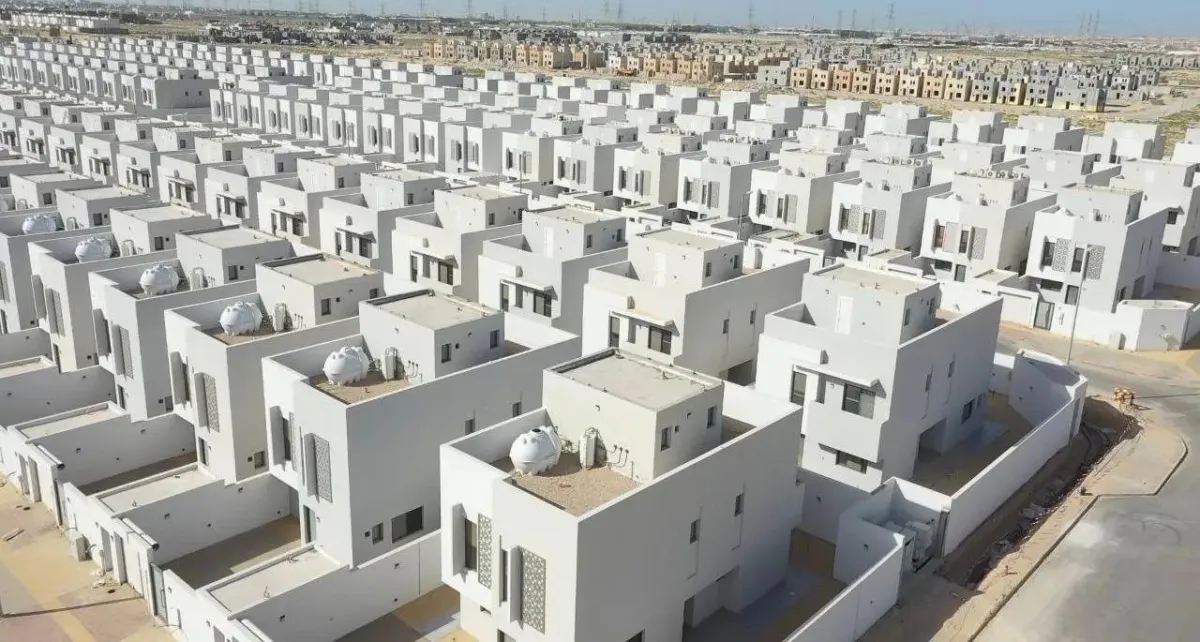
Saudi Arabia has implemented a significant legislative overhaul of its real estate regulatory framework, introducing measures designed to activate underutilized assets and stimulate urban development. The new regulations, which fundamentally reshape the country’s property landscape, introduce a dual-pronged approach by targeting both undeveloped land and unoccupied buildings through a revised fee structure.
The shift marks a transition from a relatively simple taxation model to a more complex, tiered system. By expanding the scope of what constitutes taxable “white land” and introducing a specific levy on vacant properties, the Kingdom aims to incentivize landowners and developers to bring assets into the active market, thereby addressing supply dynamics in rapidly growing urban centers.
This regulatory evolution was formalized through the publication of Royal Decree No. (M/244) and Council of Ministers Resolution No. (758) in the Saudi Arabian Official Gazette on May 12, 2025. These instruments have officially replaced the previous regulatory regime with a more comprehensive framework now titled the White Land and Vacant Properties Fees Law (the “Amended Law”).
A New Legislative Framework: The White Land and Vacant Properties Fees Law
The introduction of the Amended Law represents a strategic pivot in Saudi Arabia’s approach to urban management and land use. While the previous “Original Law” focused primarily on vacant land, the new legislative instrument broadens the policy intent to include a wider array of real estate assets that remain unproductive.
Under the new mandate, the government is no longer focusing solely on the absence of construction. Instead, the policy intent has shifted toward “activating underutilised assets.” This means that the legal definition of what is subject to fees has been significantly widened to ensure that both land and existing structures contribute to the economic vitality of urban areas.
The implementation of this law is expected to have profound implications for various stakeholders, including large-scale developers, institutional investors, and private landowners. The transition from a flat-rate system to a variable, asset-based assessment mechanism requires a sophisticated understanding of the new legal requirements to avoid significant annual liabilities.
Expanding the Definition of “White Land”
One of the most substantive changes introduced by the Amended Law is the redefinition of “White Land.” Previously, the scope of land subject to fees was more narrowly defined. Under the new regime, the definition has been expanded to include all vacant land capable of development within urban areas, regardless of its specific zoning classification.
This expansion is a critical development for urban planners and developers. By removing the limitation of zoning classifications, the law ensures that any land within urban boundaries that remains undeveloped and holds development potential is subject to the new fee structure. This move is intended to prevent land speculation and ensure that urban footprints are utilized efficiently to meet the growing demand for housing and commercial space.
For landowners, this means that land previously considered “safe” from fees due to its specific zoning may now fall under the purview of the White Land and Vacant Properties Fees Law. The ability to develop these parcels will now be weighed against the potential annual cost of holding them idle.
The Introduction of Fees on Vacant Properties
In a notable departure from previous regulations, the Amended Law introduces a distinct fee specifically targeting developed but unoccupied buildings. This “Vacant Properties” fee is a new pillar of the legislative framework, designed to tackle a different aspect of market inefficiency: the existence of high-value assets that are built but remain empty.
This addition reflects a policy focus on maximizing the utility of the existing built environment. In many growing economies, a surplus of unoccupied commercial or residential buildings can stifle market liquidity and artificially inflate prices. By levying a fee on these unoccupied assets, the Saudi government is encouraging owners to lease or utilize their properties rather than allowing them to sit idle.
The fee for these vacant properties is structured to be variable. Depending on the specific characteristics of the asset and prevailing market conditions, the fee may reach up to 5% (or in certain instances, up to 10%) of the property’s equivalent rental value. This mechanism ensures that the cost of vacancy is directly proportional to the potential economic value the property could be generating if it were active.
From Flat Rates to Tiered Assessment: The New Fee Structure
Perhaps the most significant operational change for property owners is the replacement of the previous flat 2.5% fee rate. The Amended Law replaces this single-rate system with a sophisticated, tiered structure that allows for differentiated rates based on the nature of the asset and current market dynamics.
The new assessment mechanism is categorized as follows:
- White Land: Fees for vacant land capable of development can now reach up to 10%, depending on the specific criteria established under the law.
- Vacant Properties: Fees for developed but unoccupied buildings are set at a tiered rate of up to 5%, with the potential to reach 10% based on asset characteristics and market conditions.
This shift toward variable rates allows the regulatory body to be more surgical in its application. Instead of a “one size fits all” approach, the tiered structure enables the government to adjust the financial pressure on landowners based on the type of land or building being held, as well as the economic context of the specific area. What we have is intended to prevent undue hardship while ensuring that the most significant “dead” assets face the highest costs.
the language of the Amended Law introduces the potential for the aggregation of land parcels. This means that when determining whether a landowner has reached certain fee thresholds, multiple parcels of land may be treated as a single holding. This development could materially affect long-term landholding strategies, as owners may need to reconsider how they manage fragmented land holdings to mitigate tax exposure.
Key Takeaways: The White Land and Vacant Properties Fees Law
- Expanded Scope: The law now covers all vacant land in urban areas capable of development, regardless of zoning.
- New Asset Class: Developed but unoccupied buildings are now subject to a specific “Vacant Properties” fee.
- Tiered Pricing: The old 2.5% flat rate is replaced by variable rates of up to 10% for white land and up to 5–10% for vacant properties.
- Strategic Aggregation: Authorities may aggregate multiple land parcels when calculating fee thresholds.
- Policy Goal: The primary objective is to activate underutilized assets and stimulate urban development.
Strategic Implications for the Real Estate Market
The transition to the White Land and Vacant Properties Fees Law will likely trigger a period of recalibration across the Saudi real estate sector. For developers, the increased cost of holding vacant land may accelerate the timeline for project commencement, as the “carry cost” of undeveloped land has risen significantly.

For investors, the focus will likely shift toward assets that can be quickly monetized or leased. The introduction of fees on unoccupied buildings provides a clear financial incentive to move from a “hold” strategy to a “lease or sell” strategy. This could lead to an increase in available rental stock in the short term, potentially impacting market pricing and liquidity.
Landowners holding large, fragmented portfolios will also face new challenges. The possibility of parcel aggregation means that the total value of their holdings will be assessed more holistically, potentially pushing them into higher fee tiers. This may encourage the consolidation of land or the strategic divestment of smaller, non-performing parcels.
As the implementation framework for these amendments continues to evolve, stakeholders should remain attentive to the specific methodologies used for fee assessment and the criteria for “equivalent rental value.” The practical implications for landholding and development strategies will depend heavily on how these technical aspects are applied in the coming months.
The next phase of this regulatory shift will involve the detailed application of the assessment mechanisms by the relevant authorities. Investors and developers are advised to review their current portfolios against the new criteria defined in Royal Decree No. (M/244) to prepare for the updated fee obligations.
What are your thoughts on these new real estate regulations? Do you believe they will effectively stimulate the market, or will they create new challenges for developers? Let us know in the comments below and share this article with your professional network.