
SOFIA, Bulgaria — The fragile stability of the Middle East faced a severe test on Thursday as the United States and Iran exchanged fire in the Strait of Hormuz, a pivotal maritime corridor that serves as a lifeline for global energy supplies. The escalation has ignited intense fears that the ceasefire, which has been in place since early April, may be on the verge of total collapse.
The flare-up follows a period of heightened tension as Washington awaits a formal response from Tehran regarding recent diplomatic proposals aimed at ending the ongoing conflict. The war, which began following joint U.S.-Israeli air strikes on Iran on February 28, 2026, has already fundamentally altered the security landscape of the Persian Gulf.
Naval Confrontation in the Strait of Hormuz
The most recent maritime confrontation involved three U.S. Navy destroyers transiting the Strait of Hormuz. According to reports from CBS News, the vessels came under attack from a combination of Iranian drones, missiles and minor boats. While the destroyers were targeted, military officials confirmed that none of the three ships were actually struck during the engagement.
U.S. President Donald Trump addressed the incident via social media, attempting to balance a show of strength with a desire to maintain the current ceasefire. Writing on Truth Social, Trump stated that while the three “World Class American Destroyers” successfully transited the strait under fire without sustaining damage, “great damage” was inflicted upon the Iranian attackers. Despite the exchange, the President told reporters that the ceasefire remains in effect and characterized the overall military situation as going “unbelievably well.”
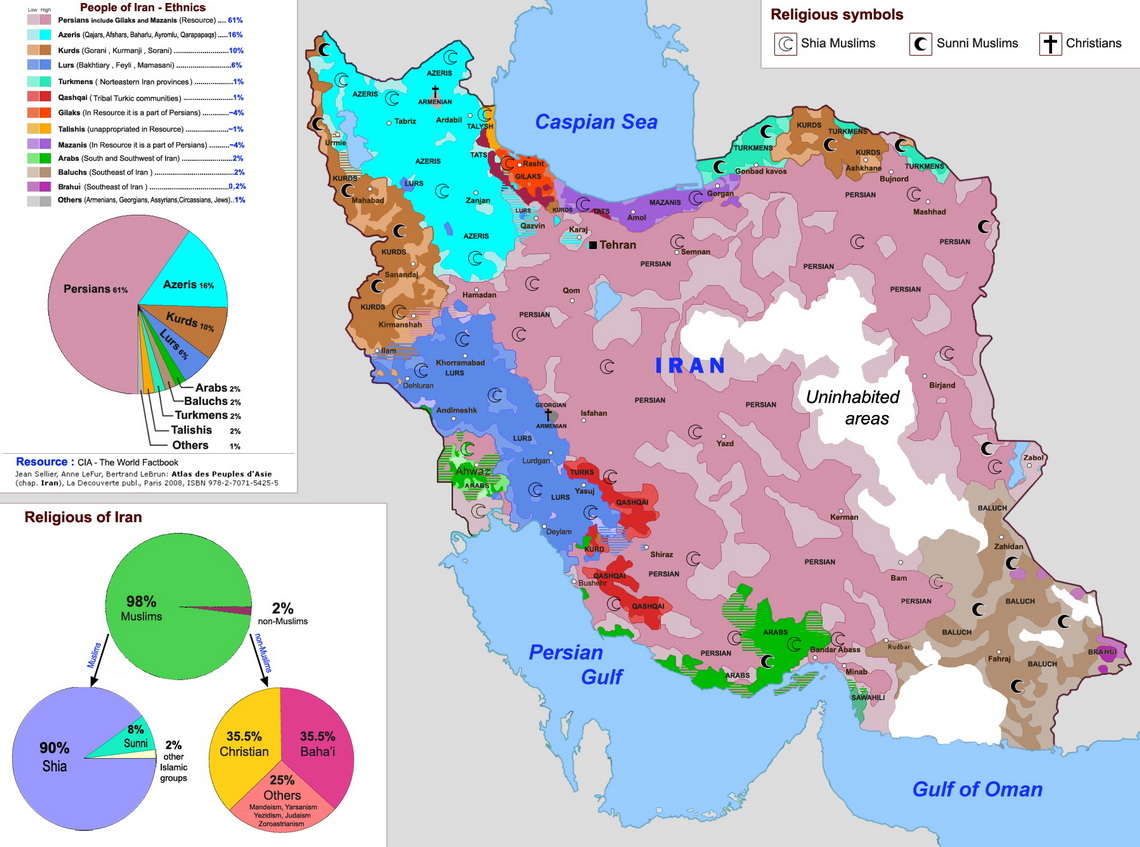
However, the military reality on the ground suggests a more volatile situation. The U.S. Central Command confirmed that American forces were forced to conduct “self-defense strikes” in response to the incoming fire. According to multiple U.S. Officials, these retaliatory strikes targeted two specific Iranian ports located adjacent to the Strait of Hormuz: Bandar Abbas and Qeshm.
Global Economic Impact: Shipping and Energy Markets
The volatility in the Strait of Hormuz is having an immediate and measurable impact on global commerce and energy security. The strait is a critical choke point; during peacetime, it facilitates the transit of approximately one-fifth of the world’s oil and liquefied natural gas (LNG) supplies. Since the onset of the conflict, Iran has significantly restricted access to these vital shipping lanes.

The shipping industry is currently facing unprecedented uncertainty. The intelligence firm Lloyd’s List has reported that the strait is effectively closed. This closure is compounded by new administrative hurdles; Iran has indicated that a newly created agency is now responsible for clearing all vessels intended for transit through the waterway. This move by Tehran is viewed by analysts as an attempt to formalize control over the strategic shipping lanes.
Energy markets have reacted sharply to the news of the naval clash. As of Thursday, the price of Brent crude oil, the international benchmark, was hovering around $100 per barrel. While this represents a decrease from the $126 per barrel seen last week, it remains significantly higher than the approximately $70 per barrel recorded before the war began, according to Al Jazeera.
Key Economic Metrics
- Brent Crude Oil: Approximately $100 per barrel (down from $126 last week).
- Pre-War Oil Price: Roughly $70 per barrel.
- Strait Capacity: One-fifth of global oil and LNG supplies pass through this corridor.
The Diplomatic Stalemate
The maritime skirmish occurs at a critical diplomatic juncture. The United States is currently seeking a response from Tehran regarding its latest proposals to end the hostilities. The ceasefire, which was established in early April, has remained tenuous throughout the spring.
The stakes for the upcoming diplomatic negotiations are exceptionally high. President Trump has signaled that the administration’s patience is limited, warning on Wednesday that if Iran rejects the current U.S. Offer, he may authorize “higher level” military strikes. Conversely, the Iranian government remains in the process of reviewing the U.S. Proposal, even as it continues to assert control over regional waters.
The conflict has already caused significant regional instability. While the primary focus remains on the U.S.-Iran naval confrontation, other theaters of conflict in the Middle East continue to impact the broader geopolitical climate. For instance, the World Health Organization has verified numerous attacks on healthcare facilities in neighboring Lebanon since the regional conflict escalated on March 2.
Summary of the Conflict Timeline
| Date | Event |
|---|---|
| February 28, 2026 | War begins with joint U.S.-Israeli air strikes on Iran. |
| March 2, 2026 | Conflict escalates in the broader Middle East (including Lebanon). |
| April 8, 2026 | Ceasefire between the U.S. And Iran is established. |
| May 8, 2026 | Naval clash in the Strait of Hormuz involving missiles and drones. |
Key Takeaways
- Naval Engagement: Three U.S. Destroyers were targeted by Iranian drones and missiles in the Strait of Hormuz; no U.S. Ships were damaged.
- Military Retaliation: The U.S. Responded with “self-defense strikes” against the Iranian ports of Bandar Abbas and Qeshm.
- Shipping Disruption: Lloyd’s List reports the Strait of Hormuz is closed, with Iran implementing new vessel clearance protocols.
- Energy Volatility: Brent crude is trading at approximately $100 per barrel due to the heightened risk of conflict.
- Diplomatic Pressure: The U.S. Is awaiting an Iranian response to peace proposals, with threats of “higher level” strikes if negotiations fail.
The international community remains on high alert as the situation in the Persian Gulf remains extremely fluid. The next critical development will be the formal response from Tehran to the latest U.S. Peace proposal, which will determine whether the current ceasefire holds or if the conflict expands into a more direct naval war.

What are your thoughts on the impact of this escalation on global energy markets? Share your perspective in the comments below and share this report with your network.