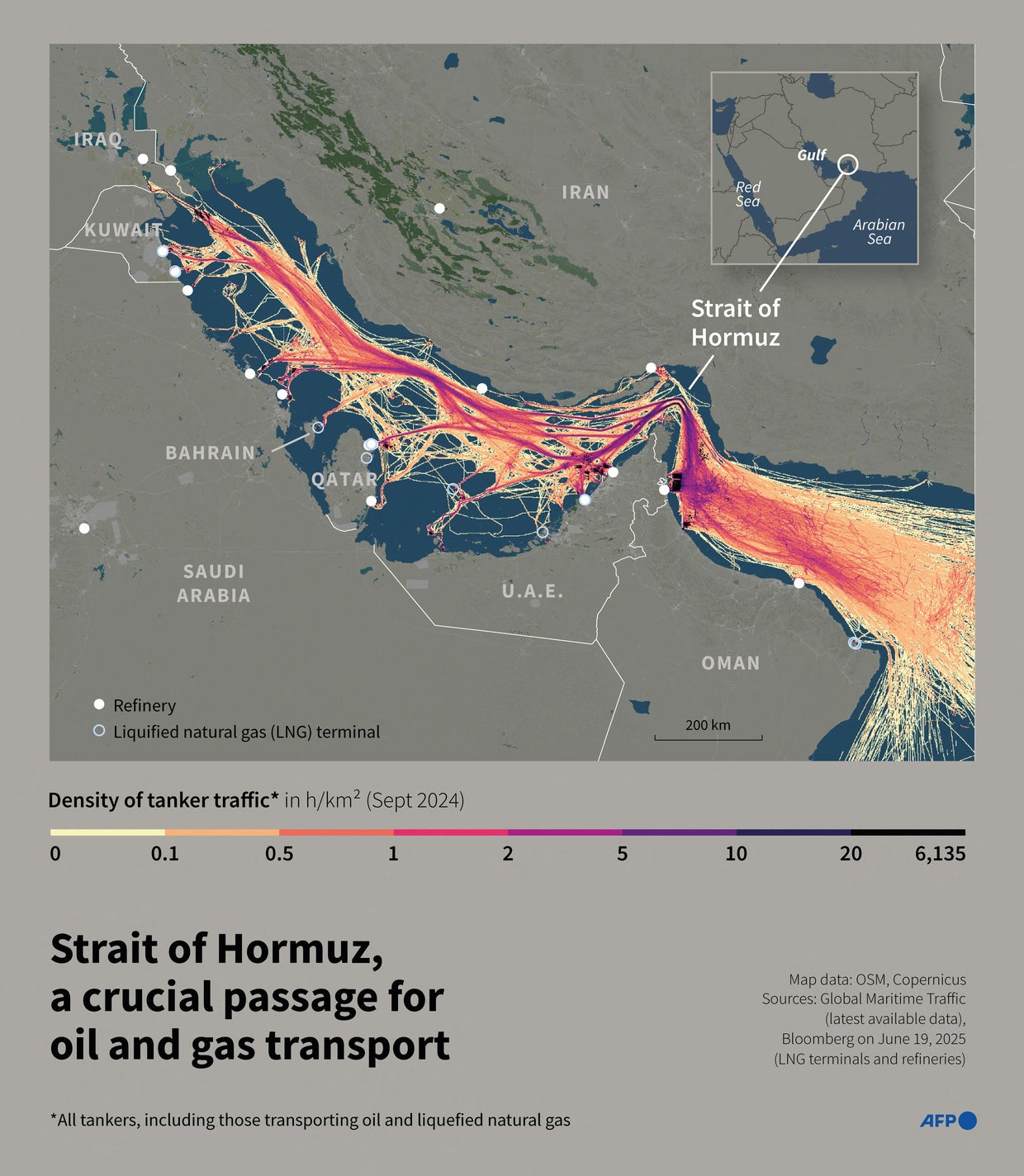
Global energy markets are bracing for a significant shift in crude flow as reports emerge that Saudi oil sales to China are expected to drop by half next month. This projected decline comes amid heightened geopolitical tensions in the Middle East, specifically centered around the strategic Strait of Hormuz, which serves as a critical artery for the world’s energy supply.
According to reports from Bloomberg News, cited by Reuters on April 13, 2026, traders indicate that Saudi crude shipments to China will see a substantial reduction in May. The move highlights the precarious nature of oil logistics when regional instability threatens primary shipping lanes.
The potential disruption is not limited to volume. Market observers note that the volatility in the Middle East is already influencing pricing strategies. Recent reports suggest that Saudi Aramco has increased oil prices for Asian markets in response to these regional tensions, reflecting a risk premium associated with the current instability.
This development occurs at a complex time for Saudi-Chinese relations. While short-term shipments may fluctuate due to security concerns, the broader strategic partnership between Riyadh and Beijing remains a cornerstone of Saudi Arabia’s long-term energy and industrial strategy.
The Strategic Impact of the Hormuz Crisis on Energy Flows
The Strait of Hormuz is one of the world’s most vital chokepoints. Any escalation in the “Hormuz crisis” creates an immediate ripple effect across global benchmarks, as a significant portion of the world’s oil passes through this narrow waterway. When security risks rise, shipping costs increase and insurance premiums for tankers spike, often leading to a realignment of trade routes or a temporary reduction in exports to maintain stability.
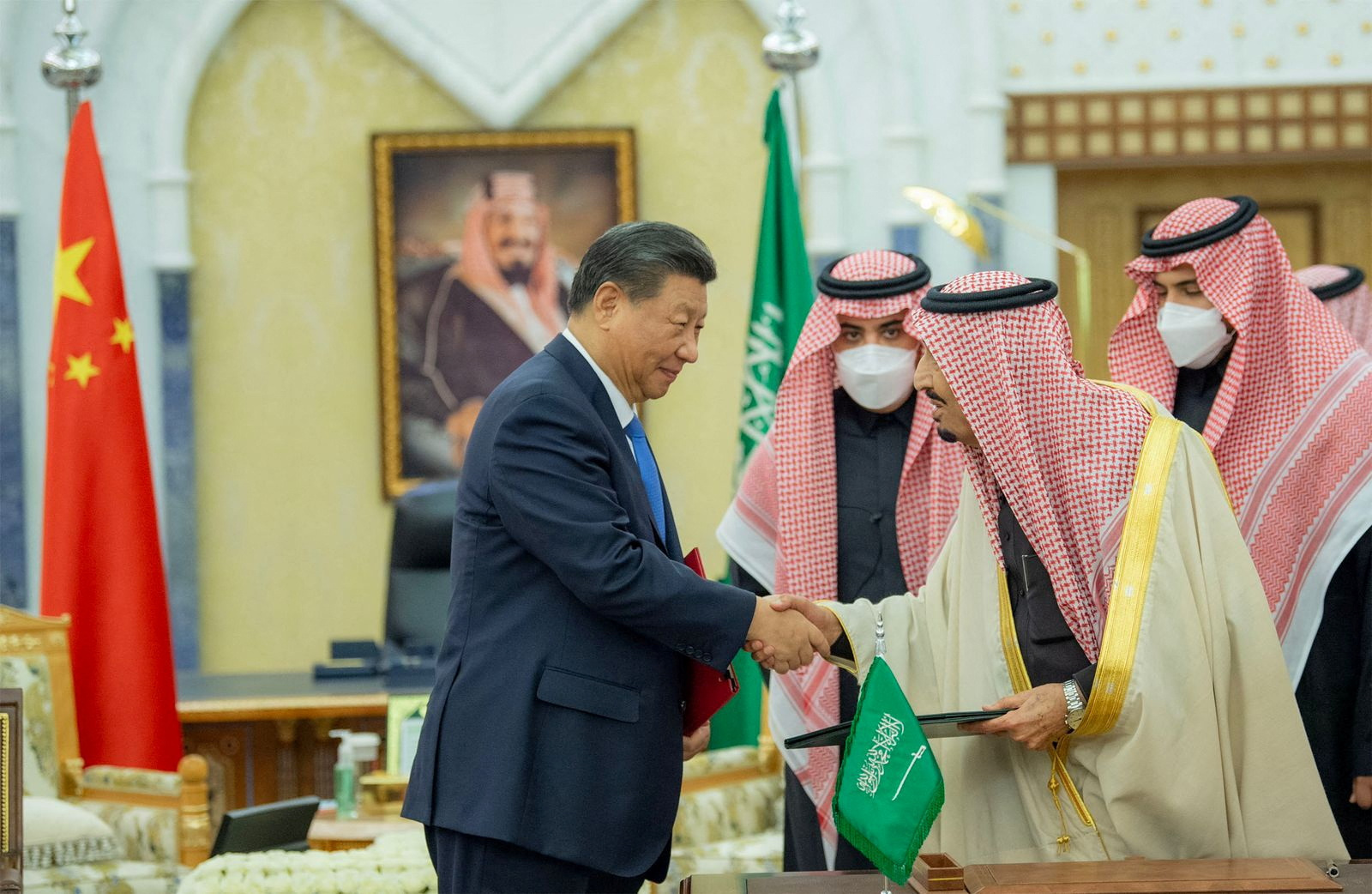
For China, the world’s largest crude importer, a 50% drop in Saudi supplies represents a significant logistical challenge. While China maintains a diverse portfolio of energy sources, the scale of Saudi exports makes them a critical partner for maintaining domestic refinery operations and national energy security.
The shift in supply is not an isolated event. Other regional players are reacting to the market volatility. For instance, reports indicate that Kuwait has as well adjusted its pricing, raising crude oil prices for Asian customers for the month of May, further signaling a tightening or more expensive market for Asian refiners.
Aramco’s Long-Term Vision for the Chinese Market
Despite the immediate volatility in crude shipments, Saudi Aramco continues to view China as a primary pillar of its global growth strategy. The relationship extends far beyond the simple export of raw crude. The company is pivoting toward a deeper integration into China’s industrial landscape, specifically within the downstream sector.
In March 2025, Amin Hassan Nasir, then President and CEO of Saudi Aramco, emphasized that the Chinese market is of “utmost importance” to the company. He highlighted a strategy to deepen cooperation and expand investments in several key areas, with a particular focus on the liquefied chemical industry and new energy sectors ([Source]).
Aramco’s strategy in China is twofold: maintaining its role as a reliable supplier of crude oil while evolving into a partner in high-value chemical production. The company has recognized the advanced state of China’s refining and petrochemical industries, especially in liquefied chemicals, which provides significant opportunities for joint ventures and infrastructure investment.
To support this vision, Aramco has already entered into new agreements with key Chinese partners, including “Rongsheng” and “Hengli.” These collaborations are designed to enhance Aramco’s contributions to energy security and long-term development within China ([Source]).
Key Pillars of Saudi-Chinese Energy Cooperation
- Crude Oil Exports: Maintaining a steady flow of energy to power the Chinese economy, despite short-term geopolitical disruptions.
- Liquefied Chemicals: Investing in advanced petrochemical infrastructure to move up the value chain.
- New Energy Transition: Exploring collaborations in sustainable energy and new technologies to align with global climate goals.
- Industrial Integration: Partnering with major Chinese firms like Rongsheng and Hengli to secure long-term industrial footprints.
What This Means for Global Markets
The intersection of a potential supply drop to China and rising prices for Asian markets suggests a period of instability for energy costs. When the world’s largest importer faces a reduction in supply from one of its largest exporters, it often leads to a scramble for alternative sources, which can drive up global prices.
the “risk premium” currently being applied to Asian crude reflects a broader market fear. If the crisis in the Strait of Hormuz persists or escalates, the industry may see a permanent shift in how oil is routed, potentially increasing the reliance on pipelines that bypass the strait or increasing the importance of West African and American crude for Asian buyers.
For the global economy, this volatility underscores the fragility of the “just-in-time” energy supply chain. The ability of Saudi Arabia to maintain its long-term investment goals in China while managing short-term security risks in the Gulf will be a critical test of its economic diplomacy.
Summary of Market Movements
| Entity | Action/Trend | Impact Area |
|---|---|---|
| Saudi Aramco | Projected 50% decrease in sales | China (May 2026) |
| Saudi Aramco | Increased crude prices | Asian Markets |
| Kuwait | Raised crude oil prices | Asian Markets (May 2026) |
| Aramco/Chinese Partners | New agreements (Rongsheng/Hengli) | Long-term Energy Security |
As the industry monitors the situation in the Strait of Hormuz, the next critical checkpoint will be the official shipment data for May, which will confirm the extent of the reduction in Saudi exports to China. Market analysts and energy policymakers will be looking for signs of stabilization in the Gulf to determine if these pricing and volume shifts are temporary or indicative of a longer-term trend.
We invite our readers to share their insights on how these geopolitical shifts might affect global energy costs in the comments below.
Keep reading