
The horror spoof “Scary Movie” has secured a first-place finish at the box office, surpassing the release of “Masters of the Universe” this weekend. This unexpected outcome highlights the economic resilience of low-budget genre parodies compared to high-expenditure fantasy properties in the current theatrical market.
In a weekend that has caught industry analysts by surprise, the latest entry in the Wayans brothers’ horror-spoof franchise has outmuscled a major fantasy competitor to claim the top spot. While high-concept blockbusters often dominate the conversation, the performance of “Scary Movie” suggests a shifting appetite among audiences, who appear to be gravitating toward accessible, high-concept comedy over the heavy production requirements of traditional fantasy epics.
From a capital allocation perspective, the weekend’s results offer a stark lesson in risk management. The disparity in production scales between a satirical horror film and a large-scale fantasy production like “Masters of the Universe” underscores a growing divide in how studios approach theatrical returns. For investors, the success of a spoof suggests that high-margin, low-overhead content can effectively disrupt the market share typically reserved for big-budget intellectual properties (IP).
Why is “Scary Movie” leading the box office?
The primary driver behind the “Scary Movie” success appears to be the high return on investment (ROI) inherent in the horror-comedy genre. Unlike massive fantasy productions that require significant capital expenditure (CAPEX) for visual effects and location filming, horror spoofs typically operate on much leaner budgets. This allows even a moderate theatrical run to translate into significant profitability for distributors.
:max_bytes(150000):strip_icc():focal(748x207:750x209)/marlon-keenan-shawn-wayans-ghostface-scary-movie-102924-6bd7cb3ae77e44789306bc879c72cb7c.jpg "Why is \"Scary Movie\" leading the box office?")
Industry data frequently shows that horror-adjacent genres benefit from high “virality” potential. The comedic elements of a spoof allow for rapid social media engagement, which serves as a cost-effective marketing engine. By targeting a demographic that seeks immediate, high-energy entertainment, the Wayans brothers’ brand of satire has managed to capture a wide audience segment that is often more price-sensitive and trend-driven than the core fantasy audience.
Additionally, the “Scary Movie” franchise leverages established comedic timing and recognizable genre tropes to create an immediate sense of familiarity. This reduces the “barrier to entry” for viewers, making it an easier sell during a crowded theatrical weekend. According to reporting on historical box office trends by Variety, genre-specific spoofs often see a surge in viewership during periods of economic uncertainty, as they provide low-cost escapism.
What does the “Masters of the Universe” performance mean for fantasy films?
The second-place finish of “Masters of the Universe” presents a more complex challenge for studios. High-budget fantasy films are often built on the assumption that massive IP recognition will guarantee a massive theatrical opening. However, when these films fail to reach the top tier of the box office, the financial repercussions are far more severe than they are for smaller films due to the much higher break-even points.
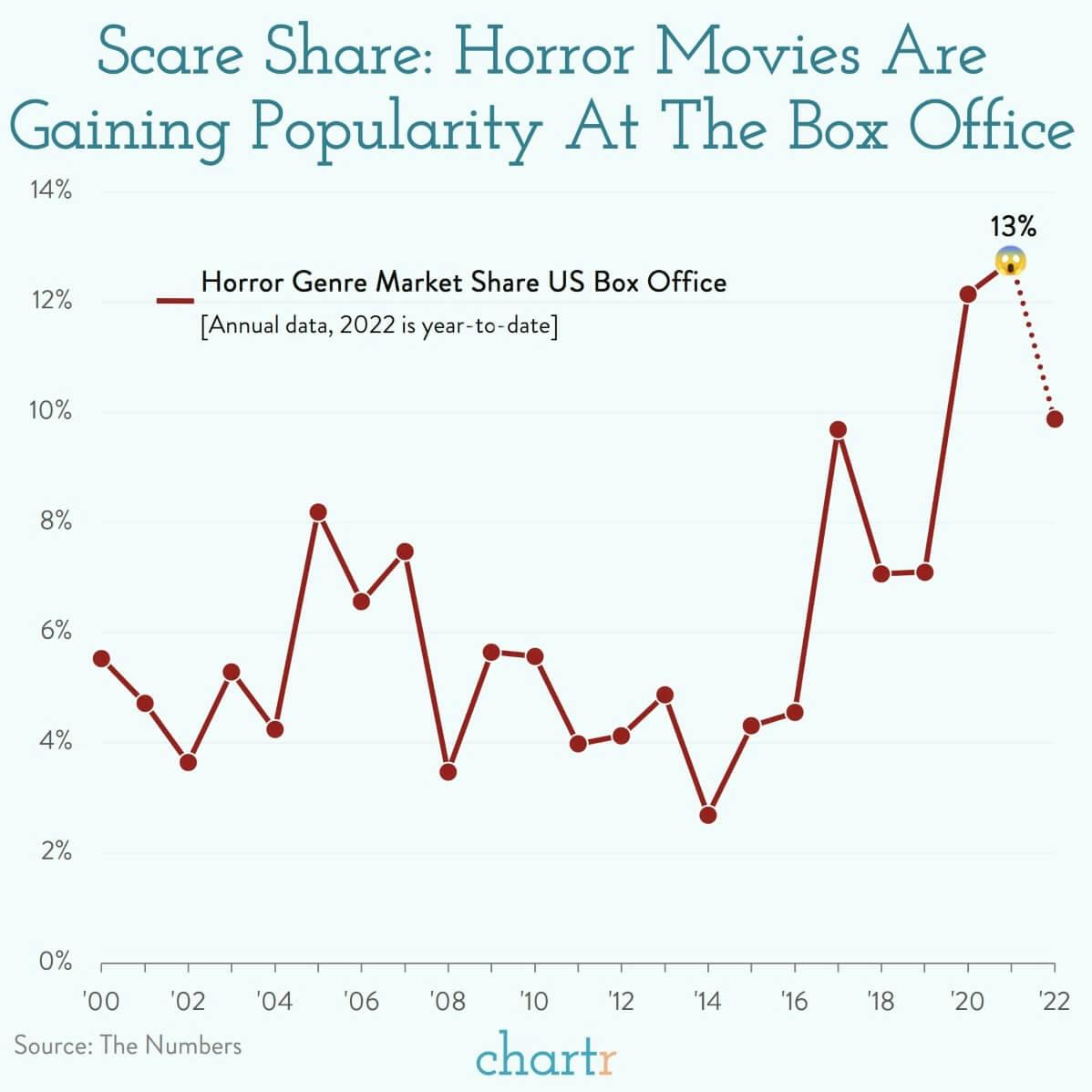
The struggle of a major fantasy property suggests a potential “saturation point” in the market for high-concept, CGI-heavy spectacles. Audiences may be experiencing fatigue with traditional hero narratives, especially when those narratives are tied to legacy IPs that require significant world-building. For “Masters of the Universe,” the cost of maintaining the visual fidelity expected by modern audiences can often outpace the growth in ticket sales, leading to a compressed profit margin.
This performance highlights the volatility of the “blockbuster model.” When a film relies heavily on spectacle, its success is often binary: it either becomes a massive cultural phenomenon or it becomes a financial liability. The weekend’s results indicate that the middle ground for mid-to-high tier fantasy is increasingly difficult to navigate in a landscape where comedy and niche horror are gaining ground.
How do horror spoofs impact studio ROI?
For major studios and independent distributors, the success of a film like “Scary Movie” provides a blueprint for diversifying a release slate. The economic advantage of the horror-spoof model lies in its ability to generate “found money”—revenue that significantly exceeds the initial investment with minimal additional risk. This creates a healthy cash flow that can then be used to subsidize more ambitious, higher-risk projects.
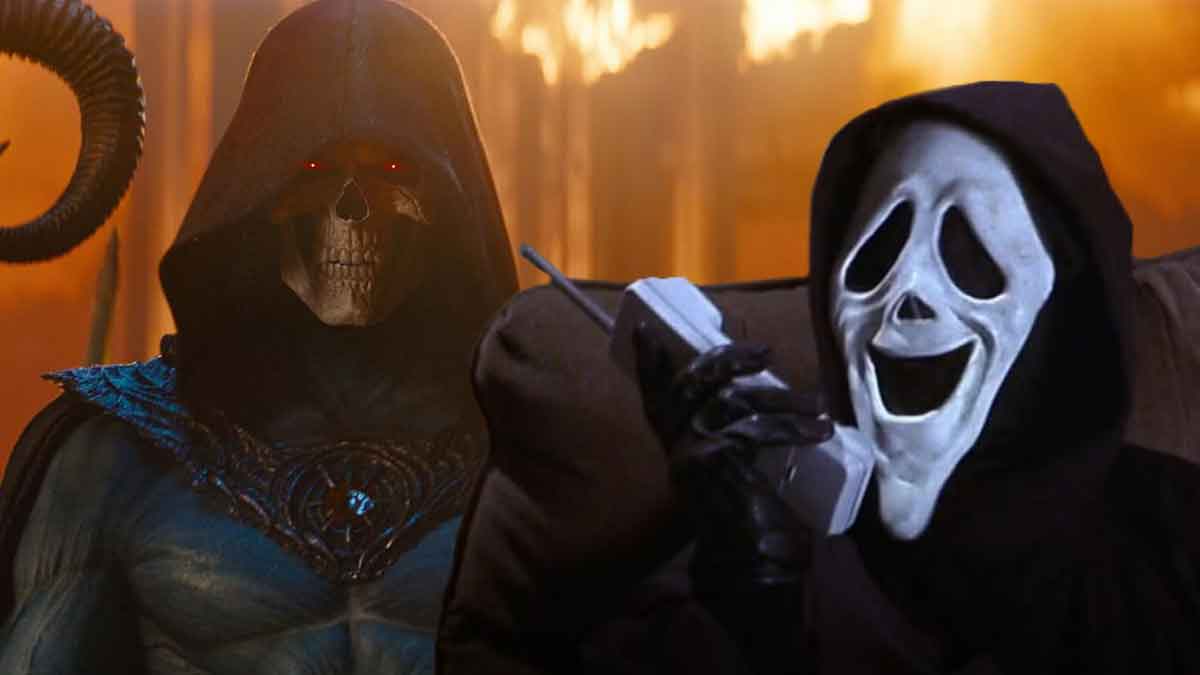
The divergence in weekend performance can be summarized by looking at the fundamental business models of the two competing genres:
| Film Title | Primary Genre | Economic Model | Weekend Standing |
|---|---|---|---|
| Scary Movie | Horror/Comedy | Low CAPEX / High ROI | #1 |
| Masters of the Universe | Fantasy/Action | High CAPEX / High Risk | #2 |
As studios look toward the next fiscal quarter, the focus will likely shift toward optimizing the balance between these two models. We are seeing an increasing trend of “counter-programming,” where studios release smaller, highly profitable genre films alongside major tentpoles to ensure they capture different segments of the theatrical audience. This strategy mitigates the risk of a single high-budget failure impacting the overall annual earnings of a studio.
The upcoming theatrical calendar will be closely watched by analysts to see if this trend holds. Specifically, the industry will look for whether the momentum of genre-based comedy continues to challenge the dominance of traditional action and fantasy franchises in the coming months.
The next major update regarding theatrical revenue and market share is expected in the upcoming weekly box office report. We encourage you to share your thoughts on these changing theatrical trends in the comments below.
Related reading