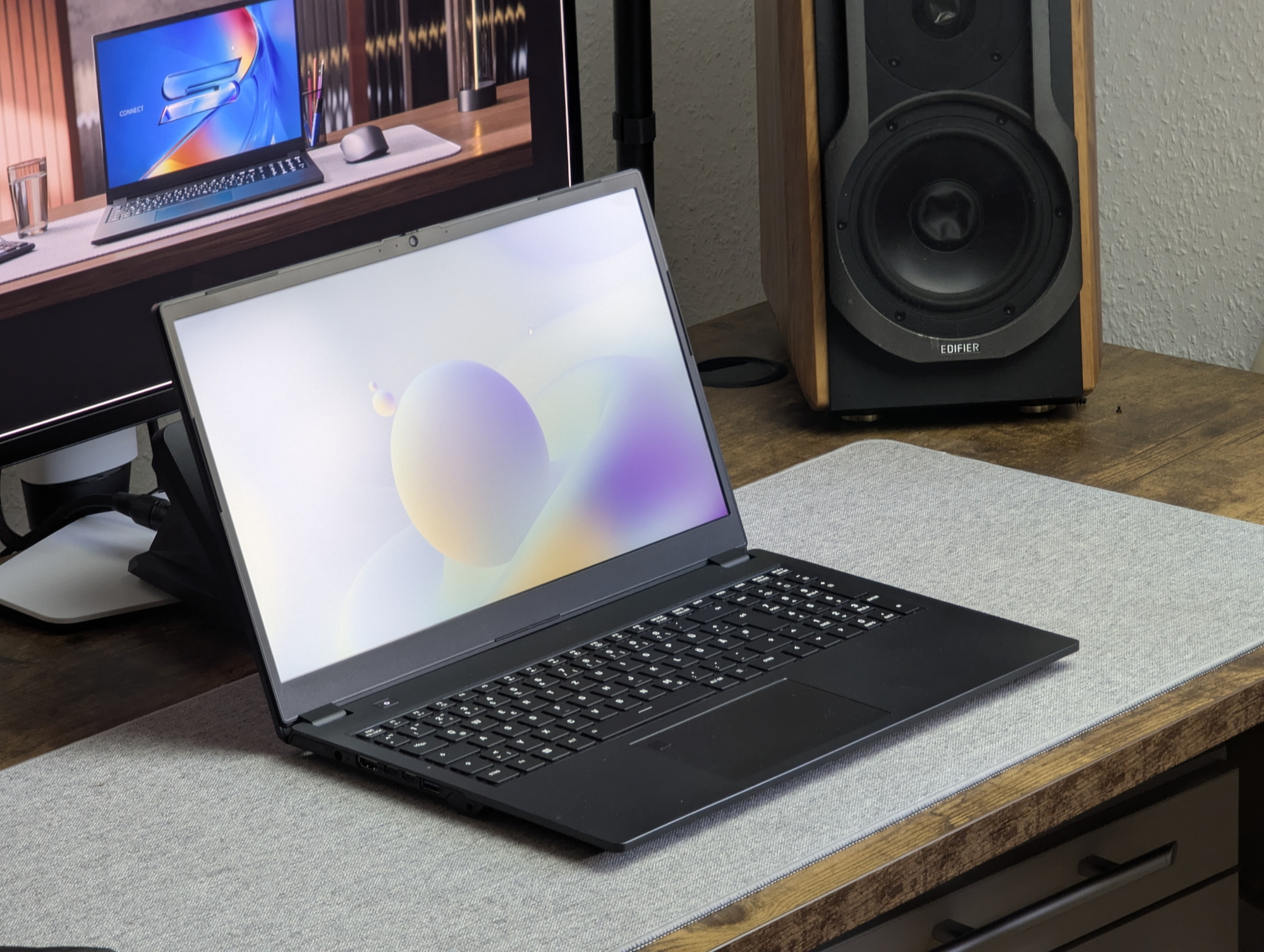
The Schenker Connect 15 (E26) has entered the market as a specialized business laptop designed to address the growing scarcity of modular hardware in the enterprise sector. According to official product specifications from Schenker Technologies, the device integrates a user-replaceable battery, a dedicated SmartCard reader, and advanced connectivity options including Wi-Fi 7 and optional LTE, features that have largely been phased out of mainstream ultrabook designs.
As the demand for long-term hardware maintenance and secure authentication grows, the Connect 15 (E26) positions itself as a tool for corporate environments where device longevity and physical security are prioritized over the ultra-slim aesthetics common in consumer-grade laptops. The integration of high-speed wireless standards and legacy-style enterprise security features signals a strategic focus on the professional IT infrastructure market.
Engineering for Enterprise Longevity
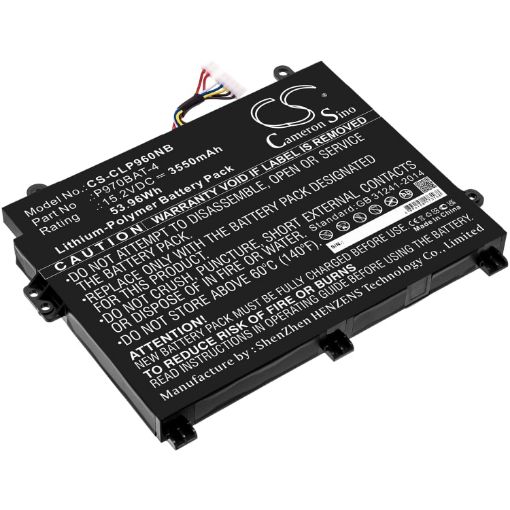
The core value proposition of the Schenker Connect 15 (E26) centers on hardware accessibility. While many modern manufacturers have moved toward soldered components and glued-in power cells, this model retains a user-replaceable battery. This design choice is intended to reduce total cost of ownership by allowing IT departments to extend the functional lifespan of the machine without requiring a full chassis replacement or specialized service centers, as noted in the technical data sheets provided by Schenker.
Beyond battery accessibility, the inclusion of a SmartCard reader serves as a critical differentiator for industries requiring two-factor authentication (2FA) at the hardware level. Such readers are standard requirements for many government and financial institutions that utilize physical ID cards to access encrypted workspaces or secure networks. By embedding this hardware directly into the chassis, the device removes the need for external USB dongles, which are often prone to loss or damage in mobile work environments.
Connectivity Standards and Network Performance
The Schenker Connect 15 (E26) adopts the latest Wi-Fi 7 (IEEE 802.11be) standard, which offers increased throughput and lower latency compared to its predecessors. This is particularly relevant for enterprise users working with high-bandwidth cloud applications or large-scale data synchronization. According to industry standards published by the Wi-Fi Alliance, Wi-Fi 7 utilizes multi-link operation (MLO) to aggregate channels across different frequency bands, a feature that provides more stable connections in congested office environments.
Complementing the wireless capability is the optional LTE integration. This allows for persistent connectivity in regions where stable public or private Wi-Fi is unavailable, ensuring that mobile professionals remain connected to VPNs and corporate resources. The combination of Wi-Fi 7 and LTE ensures that the laptop remains compatible with both modern office infrastructure and remote field environments, bridging a gap often found in laptops that rely solely on Wi-Fi.
Hardware Efficiency and Operational Noise
Schenker has focused on power-efficient hardware configurations for the E26 to maintain a balance between performance and thermal output. The chassis is engineered to prioritize quiet operation, a significant factor for professional environments such as open-plan offices or client-facing meetings. By utilizing components that favor efficiency, the system generates less heat, which in turn reduces the frequency and volume of the internal cooling fans.
These design choices reflect a shift back toward practical, functional hardware that prioritizes the needs of the professional user. While the current market trend heavily favors thin-and-light devices with limited port selection, the Connect 15 (E26) provides a counter-narrative by retaining essential connectivity and modularity. For organizations looking to standardize their hardware, this approach offers a predictable upgrade path and easier maintenance cycles, as outlined in the official product documentation.
Next Steps for Enterprise Deployment
Prospective buyers and IT managers can monitor the official Schenker website for updates regarding regional availability and bulk procurement options. As of the current product cycle, the company continues to provide technical support and documentation through their centralized support portal. Future firmware updates and driver releases will be disseminated through this channel to ensure ongoing compatibility with enterprise security protocols.
Readers interested in further technical analysis or specific configuration benchmarks are encouraged to share their experiences or questions in the comments section below. As the enterprise laptop market continues to evolve, the impact of modular design choices on long-term corporate budgets remains an ongoing topic of industry discussion.