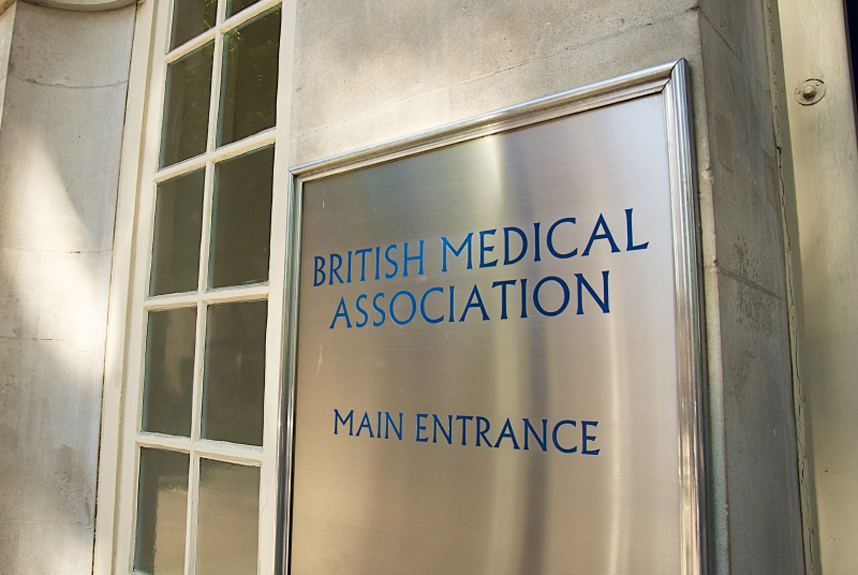
The General Practice Defence Fund (GPDF) has formally rejected a series of resolutions aimed at freezing funding for the British Medical Association’s (BMA) General Practitioners Committee (GPC). The decision, reached during recent governance proceedings, ensures that the GPC will maintain its current financial support structure as it continues negotiations regarding the future of primary care services in the United Kingdom.
The GPDF, a body established to support the interests of general practitioners, serves as a primary financial backer for the BMA’s GP committee. By voting down the motions to restrict funds, the organization has signaled continued support for the BMA’s current leadership and its strategic approach to the national contract disputes that have defined recent months in the National Health Service (NHS). According to the British Medical Association, these negotiations are critical to addressing workforce shortages and rising operational costs within general practice.
Understanding the Role of the GPDF and BMA GP Committee
To understand why this vote carries significant weight for healthcare policy, it is necessary to examine the relationship between the two entities. The BMA acts as the professional association and trade union for doctors in the UK, while the GPDF functions as an independent body providing resources to ensure the profession has the necessary backing to advocate for its members. The GPDF’s funding is derived from subscriptions paid by GPs, which are then used to bolster the BMA’s lobbying efforts and legal representations in contract disputes with the government.
When resolutions are proposed to freeze these funds, they typically reflect internal disagreements regarding the efficacy of the BMA’s negotiation tactics. In this instance, the rejection of the freeze indicates that a majority of the GPDF membership remains aligned with the BMA’s current trajectory. This stability is viewed by many in the medical community as a prerequisite for maintaining a unified front during ongoing discussions with the Department of Health and Social Care regarding the Investment and Impact Fund and other core contractual obligations.
Impact of the Funding Decision on Primary Care
The decision to maintain funding levels provides the BMA’s GP committee with the necessary capital to continue its advocacy work. For the average practitioner, this means that the resources allocated for legal counsel, public awareness campaigns, and staff support remain intact. Without this financial backing, the committee would have faced severe limitations in its ability to challenge proposed changes to the GP contract or to push for improved patient safety standards across England.

According to reports from the Pulse Today, a prominent medical news outlet covering these developments, the atmosphere surrounding the vote was tense, reflecting broader anxieties within the profession. The rejection of the freeze suggests that despite internal debates over strategy, the prevailing consensus is that the GPC requires a stable financial foundation to effectively navigate the current fiscal pressures facing the NHS. As noted by the Department of Health and Social Care, primary care remains a central pillar of the government’s long-term workforce plan, though the methods for achieving these goals remain a point of contention.
Contextualizing the Dispute Within Medical Policy
This development occurs against the backdrop of long-standing friction between the government and general practitioners. Over the past year, the BMA has been vocal about the impact of inflation on practice sustainability, noting that the rising costs of utilities, staff salaries, and medical supplies are not being met by current funding increases. The GPDF’s decision to uphold the current funding structure serves as a vote of confidence in the BMA’s role as the primary negotiator.
While some members have questioned whether the current strategy is producing results quickly enough, the failure of the freeze motions suggests that the membership is wary of disrupting the organizational structure during a volatile period. The BMA has stated that it will continue to prioritize the sustainability of practices while ensuring that patient access to care is not compromised by the ongoing industrial relations climate.
What Happens Next for GP Funding
With the funding issue settled for the immediate term, the BMA GP committee is expected to focus its attention on the upcoming rounds of contract negotiations. The committee will look to secure terms that address both the immediate financial viability of clinics and the long-term recruitment and retention of GPs. Observers in the healthcare sector will likely monitor the next GPDF meeting for any further shifts in sentiment or potential revisions to the organization’s financial oversight mechanisms.

Practitioners and stakeholders interested in the progress of these negotiations are encouraged to monitor official updates published by the BMA. Further information regarding the specific terms of the GP contract and the outcomes of future ministerial meetings will be posted on the BMA guidance portal as they become available. Please share your thoughts in the comments section below or join the conversation on our professional networks regarding the future of primary care funding.
Related reading