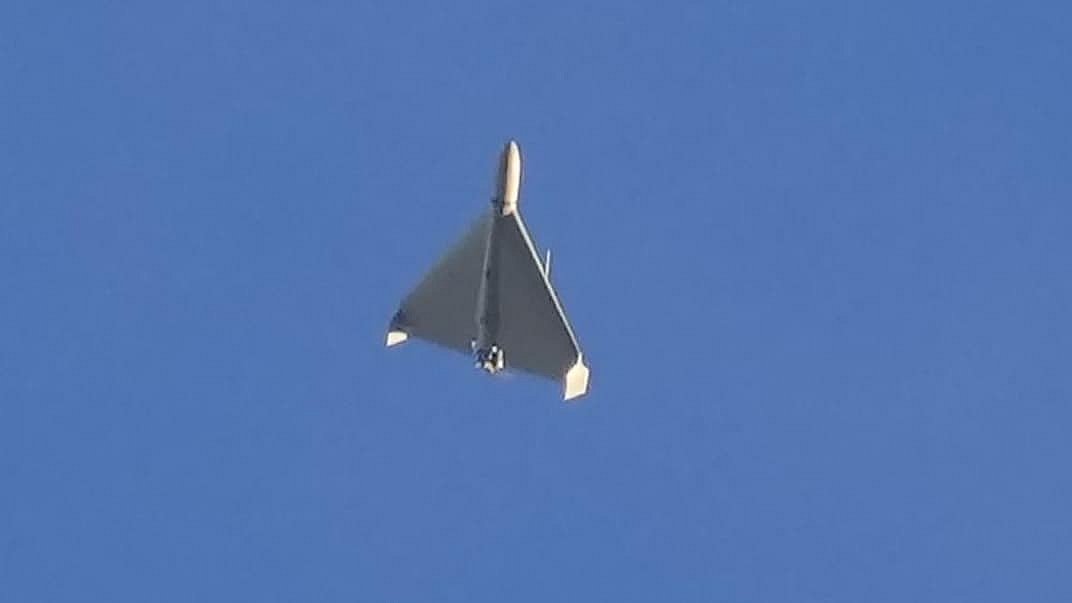
Russian forces launched a coordinated drone strike against targets in the Mykolaiv region, involving both Shahed-type loitering munitions and experimental jet-powered drones, according to reports from regional administration officials. The overnight attack resulted in fires at agricultural infrastructure and damage to a community cultural center, though local authorities have confirmed there were no civilian casualties.
The incident marks a shift in the aerial tactics observed in southern Ukraine, where the deployment of jet-propelled drones—often identified by local observers as “Molniya” (Lightning) variants—has been increasingly noted alongside standard Iranian-designed Shahed units. Mykolaiv Regional Military Administration head Vitaliy Kim confirmed via official Telegram channels that the air defense systems were active throughout the night to intercept incoming threats.
Impact on Regional Infrastructure
The primary damage reported following the strikes occurred within agricultural facilities. Emergency services were dispatched to extinguish a fire that broke out at a warehouse after being struck by an aerial projectile. According to the State Emergency Service of Ukraine, the fire was contained within several hours, preventing the destruction of nearby grain storage units. The local community cultural center also sustained structural damage, including shattered windows and roof instability, as a result of the blast wave.
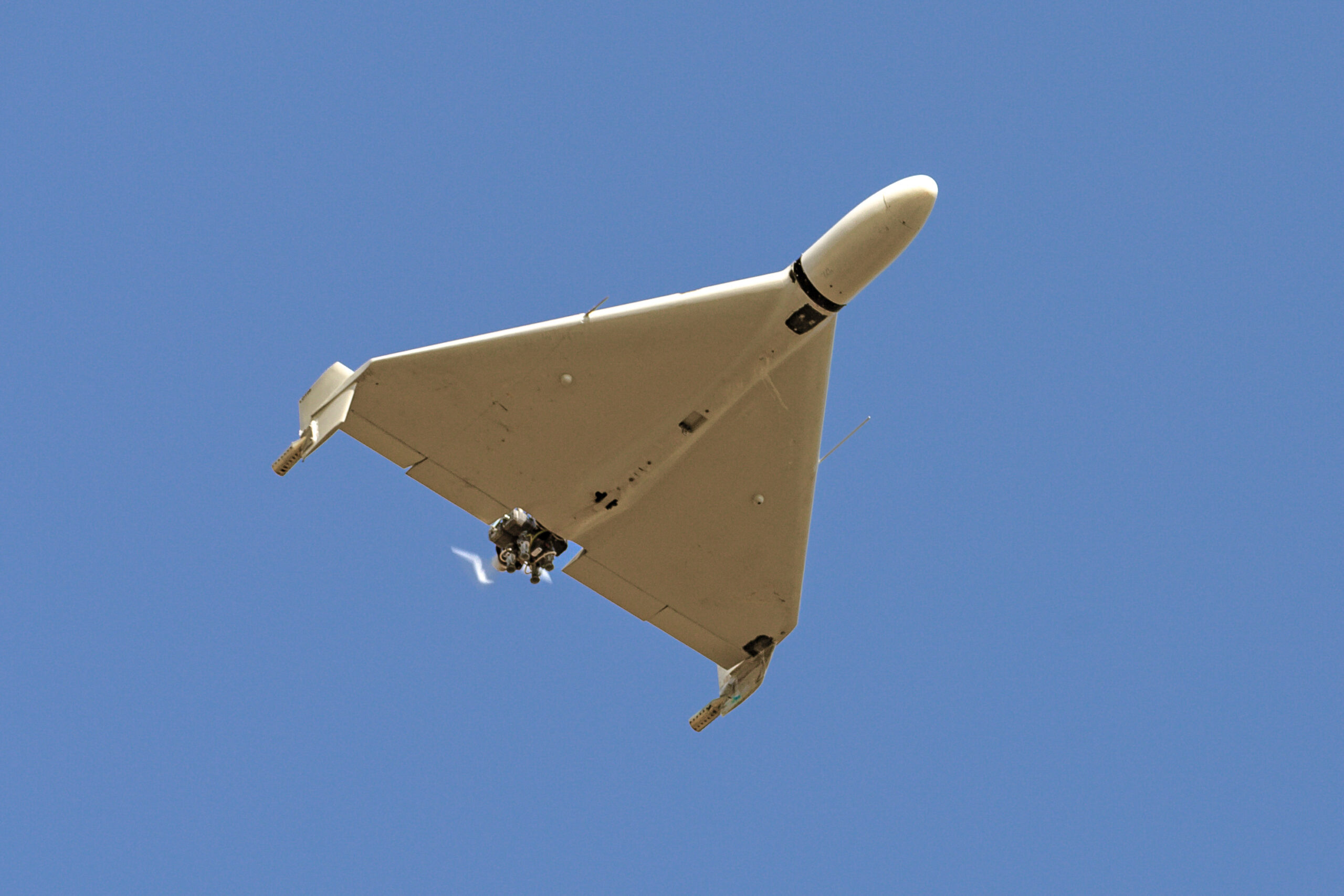
While the exact number of drones launched remains under investigation by the Air Force of the Armed Forces of Ukraine, the use of mixed-propulsion drone waves is intended to saturate air defense networks. By alternating between slower, propeller-driven Shahed drones and faster, jet-powered models, the attacking forces attempt to force defenders to expend limited interceptor ammunition while complicating target acquisition, as noted in assessments by the Institute for the Study of War regarding recent Russian aerial campaign developments.
Analysis of Aerial Tactics in Mykolaiv
The introduction of jet-powered drones into the theater of operations represents a tactical evolution in the ongoing conflict. Unlike the propeller-driven Shaheds, which cruise at relatively low speeds, jet-powered variants offer a significantly shorter time-to-target. This reduces the reaction window for mobile fire groups tasked with intercepting low-altitude threats.
Military analysts suggest that the utilization of these jet drones is primarily focused on intelligence, surveillance, and reconnaissance (ISR) or as “decoy” assets to draw fire away from more expensive cruise missiles. The Mykolaiv region, due to its proximity to the Black Sea coast, remains a frequent corridor for such incursions. The regional governor has repeatedly urged residents to remain in shelters whenever an air raid alert is active, as the debris from intercepted drones often poses a secondary threat to residential areas.
Safety Guidelines and Official Updates
Residents in the Mykolaiv region are encouraged to monitor official communications for updates regarding air safety and potential infrastructure repairs. The State Emergency Service of Ukraine provides ongoing guidance on how to identify unexploded ordnance and report damage to local authorities. Official alerts are disseminated in real-time through the Ukraine Alarm system, which is linked to regional military administration data to ensure citizens receive the most accurate information regarding incoming threats.

As of this report, no further large-scale aerial activity has been confirmed in the immediate vicinity of Mykolaiv city. Investigative teams from the National Police are currently documenting the remains of the downed drones to confirm the specific technical specifications of the jet-powered units deployed in this wave. The regional administration is expected to release a comprehensive damage assessment once the site inspections conclude later this week.
Members of the public who have witnessed suspicious aerial activity or require assistance following the recent strikes are advised to contact the regional emergency hotlines. Updates will continue to be provided by the Mykolaiv Regional Military Administration as the situation develops.
Related reading