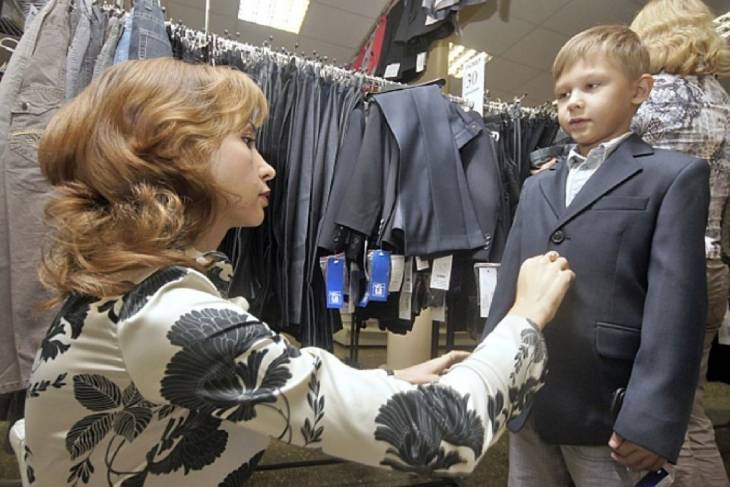
As the academic calendar resets and families prepare for the return to the classroom, the annual debate over school attire returns to the forefront of household budgets. For many parents, the transition into a new school year often triggers a high-pressure shopping cycle, driven by the perceived need for entirely new wardrobes to meet institutional standards.
In Belarus, the Ministry of Education has stepped in to address these concerns, offering guidance on whether parents are truly required to purchase new uniforms for their children. The Ministry’s stance aims to balance the necessity of a disciplined learning environment with the economic realities facing modern families, urging a shift away from consumerist pressures toward practical, sustainable choices.
Minister of Education Andrey Ivanets has clarified the government’s position on student dress codes, emphasizing that while a consistent “business style” is encouraged to foster a professional academic atmosphere, it should not translate into a mandatory financial burden for parents every September.
Prioritizing Function Over Fashion in School Attire
The core philosophy behind the current school uniform requirements in Belarus is the reduction of social stratification within the classroom. By adhering to a standardized business style, the Ministry of Education seeks to minimize “status dressing,” where clothing becomes a marker of socioeconomic disparity among students. This approach is designed to shift the students’ focus from outward appearance to academic achievement and personal growth.
According to guidelines shared by the Ministry of Education of the Republic of Belarus, the primary goal of the dress code is to create a working mood. The “business style” typically encompasses classic cuts and neutral colors, which are intended to be timeless rather than trend-driven. This timelessness is key to the Ministry’s recommendation that parents evaluate existing clothing before committing to new purchases.
Minister Andrey Ivanets has indicated that there is no requirement for parents to buy completely new sets of uniforms if the children’s previous clothing remains in good condition and still fits. The emphasis is placed on the style of the clothing—its modesty and appropriateness for a learning environment—rather than the date of purchase or the brand of the garment.
The Economic Impact of Back-to-School Spending
From an economic perspective, the “back-to-school” window represents a significant seasonal spike in consumer spending. For many middle- and low-income families, the perceived mandate to refresh a child’s entire wardrobe can lead to unnecessary financial strain. By publicly stating that new uniforms are not a strict requirement, the Ministry of Education is attempting to dampen this artificial demand.
The push toward sustainability in school clothing also aligns with broader global trends of reducing textile waste. Encouraging the reuse of uniforms that are still functional not only eases the immediate financial pressure on parents but also promotes a culture of mindfulness regarding consumption. When schools emphasize the standard of dress rather than the newness of the clothes, it removes the social incentive for students to demand the latest fashion trends.
To maintain this balance, the Ministry suggests that parents focus on a few key elements of the business wardrobe that can be mixed and matched, thereby extending the life of the garments and reducing the overall cost per wear.
Practical Guidelines for Parents
For parents navigating the requirements for the upcoming term, the Ministry’s guidance suggests a pragmatic approach to shopping. Instead of a total overhaul, families are encouraged to perform a “wardrobe audit” to determine what is actually needed.
Key considerations for maintaining a compliant yet affordable school wardrobe include:
- Fit and Condition: If a garment is outdated in style but fits well and is free of significant wear, it remains acceptable under the “business style” umbrella.
- Neutral Palettes: Sticking to classic dark colors ensures that clothing can be worn across multiple years without clashing with evolving school preferences.
- Focus on Essentials: Prioritizing a few high-quality, durable pieces over a large quantity of lower-quality items often results in lower long-term spending.
The Ministry of Education maintains that the school environment should be a place of equality. When the dress code is treated as a flexible guideline for professionalism rather than a rigid set of shopping requirements, it supports the psychological well-being of the students by removing the anxiety associated with social competition through clothing.
Looking Ahead: The Evolution of Educational Standards
The dialogue surrounding school uniforms in Belarus reflects a wider global conversation about the intersection of discipline and accessibility in education. While some systems move toward total deregulation, the Belarusian model continues to favor a structured appearance that prepares students for professional life, provided that such structure does not become an economic barrier.
As the Ministry continues to refine these expectations, the focus remains on ensuring that no student is marginalized due to their attire. The current guidance serves as a reminder that the value of a student’s education is not measured by the novelty of their blazer or the brand of their trousers.
The next official review of educational guidelines and student requirements is expected to coincide with the annual preparatory meetings for school administrations prior to the next academic cycle.
Do you believe standardized dress codes help or hinder the learning environment? Share your thoughts in the comments below or share this article with other parents preparing for the new school year.
Worth a look