The earth Remembers: How Ancient Myths Reveal hidden Histories of Natural Disasters
Have you ever wondered if ancient myths contain more than just fantastical stories? Could they be echoes of real events – catastrophic natural disasters witnessed and remembered by our ancestors? A fascinating field called geomythology suggests the answer is a resounding yes. It’s a discipline that’s not only rewriting our understanding of folklore but also offering invaluable insights into Earth’s history and the long-term impact of climate change.
Geomythology explores the intersection of geology, archaeology, and mythology, revealing how oral traditions can preserve remarkably accurate accounts of past events like volcanic eruptions, earthquakes, tsunamis, and even long-term climate shifts. It challenges the conventional wisdom that oral histories are unreliable over extended periods, demonstrating that detailed, repeated observations of the natural world can be passed down through generations with surprising fidelity.
from Fossils to Folklore: The Genesis of Geomythology
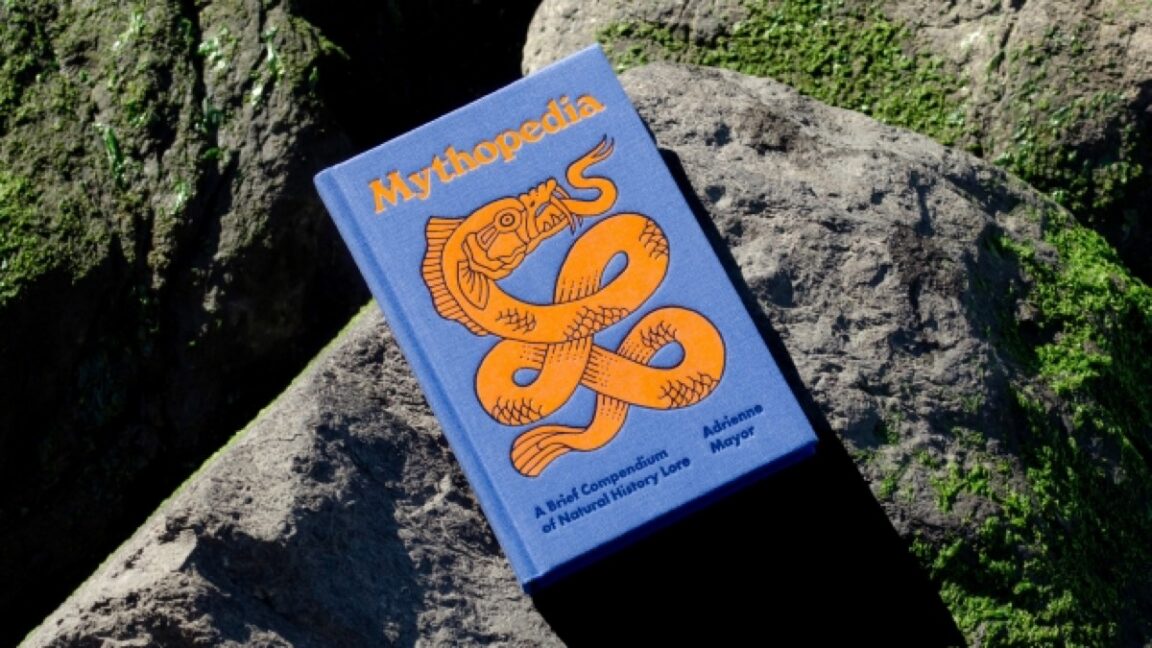
The field’s origins lie in the curious case of ancient interpretations of fossils. Adrienne Mayor, a research scholar at Stanford University and a leading figure in geomythology, first became intrigued by how the Greeks and Romans explained the massive bones they unearthed. Rather than recognizing them as remnants of extinct megafauna, they attributed them to mythical creatures – giants, heroes, and monsters.
“I was in Greece and saw some fossils that had been plowed up by farmers on the island of Samos, thigh-bones from a mastodon or a mammoth or a giant rhinoceros,” mayor recounts. “The museum curator said, ‘Yes, farmers bring us these all the time.’ And I thought, why hasn’t it occurred to anyone that they were doing this in antiquity as well?”
This realization sparked a broader investigation into myths centered around natural phenomena.Mayor observed that unlike tales of gods and heroes, stories about nature – floods, earthquakes, volcanic eruptions – often contained strikingly realistic details. These details weren’t simply imaginative embellishments; they appeared to be based on keen, repeated observations of the landscape and its dramatic changes.
How Long Do Memories Last? The Endurance of Oral Tradition
A central question in geomythology is the longevity of oral traditions. For years, it was assumed that stories couldn’t reliably survive for centuries, let alone millennia. However, mounting evidence suggests otherwise.
By correlating geomyths with verifiable geological events, researchers are discovering that these narratives can persist for thousands of years.Consider the klamath Indians’ creation myth surrounding Crater Lake in Oregon. The myth’s details align with the cataclysmic eruption of Mount Mazama approximately 7,000 years ago. Archaeological evidence further supports this connection: woven sandals dating back 9,000 to 5,000 years were found both above and below the volcanic ash layer, providing two independent lines of dating.
The endurance doesn’t stop there. In Australia, studies of aboriginal geomyths have linked stories to events occurring as far back as 20,000 years ago. This demonstrates an remarkable capacity for preserving environmental memory across vast stretches of time.
Geomythology and the Future of Climate Change Research
The implications of geomythology extend far beyond simply rewriting ancient history. It offers a powerful tool for understanding long-term climate patterns and the impact of geological upheavals on human populations.
By analyzing these ancient narratives, scientists can gain insights into:
* The frequency and intensity of past climate changes: Myths frequently enough describe periods of prolonged drought, extreme flooding, or unusual weather patterns, providing valuable data points for climate reconstruction.
* The timing of major geological events: Stories detailing volcanic eruptions, earthquakes, or tsunamis can definitely help pinpoint the dates of these events and understand their impact on the landscape.
* Human responses to environmental disasters: Geomyths reveal how past societies adapted to, and survived, catastrophic events, offering lessons for modern resilience planning.
Are We Listening to the Earth?
Geomythology isn’t about proving myths as literal truth. It’s about recognizing that these stories often contain a core of observational truth,passed down through generations. They represent a form of ”deep time” knowlege – a long-term perspective on Earth’s history that is often missing from modern scientific inquiry.
as we face increasing environmental challenges, understanding how our ancestors perceived and responded to natural disasters is more crucial than ever. Geomythology reminds us that the Earth has a memory, and that memory is encoded not just in rocks and ice cores, but also in the stories we tell.
Evergreen Insights: The Power of Indigenous Knowledge
Worth a look