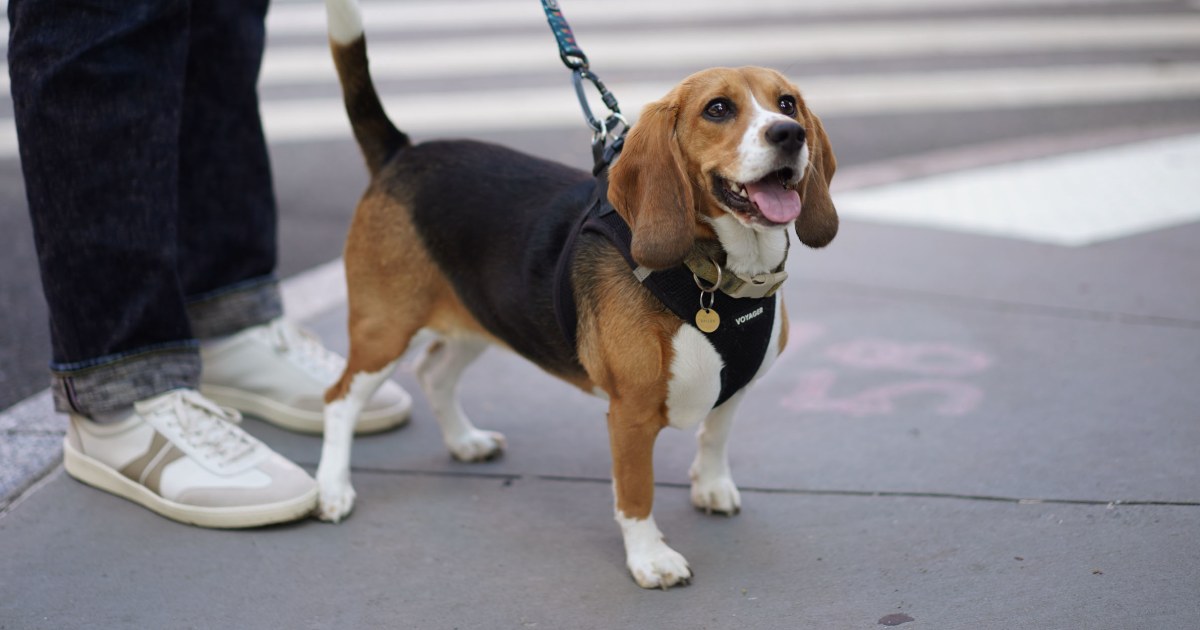
Scientists have successfully used CRISPR gene editing to produce two healthy beagle puppies, Bailey and Alfie, born in September 2024 without the primary protein that triggers dog allergies in humans. Researchers at Kindred Companion Sciences developed the technique, offering a potential path toward hypoallergenic lines of dogs and service animals.
For millions of people with pet allergies, the dream of living with a dog usually comes with trade-offs. Breeds marketed as hypoallergenic, such as poodles, still produce allergy-causing proteins in their saliva, hair, and dander that can trigger allergic reactions. But a biotechnology company has taken a different approach by altering the genetic code at the cellular level.
How Kindred Companion Sciences Edited the Canine Genome
Researchers at Kindred Companion Sciences started inside a laboratory, editing the genetic code inside dog skin cells. Scientists switched off the main gene responsible for producing the allergy-causing proteins before transferring the edited genetic code into eggs. Those eggs were placed into a beagle surrogate, which gave birth to two healthy female pups, Bailey and Alfie, in September 2024, according to reporting from Associated Press.
Subsequent laboratory testing of the puppies’ saliva and fur showed no signs of the targeted allergen protein. Geneticist Matt Walker, who suffers from a dog allergy, tested extracts from Bailey and Alfie alongside samples from other breeds. While Walker experienced skin reactions to samples from a poodle and a goldendoodle, his skin showed no reaction to extracts from the gene-edited beagles.
Testing the Limits of Gene-Edited Hypoallergenic Dogs
The research, published in the CRISPR Journal, marks the first time scientists have successfully applied this type of gene editing to dogs. Previous attempts to create hypoallergenic pets relied primarily on cloning, which often produced sicker puppies that shared too much genetic similarity. Two years prior to this breakthrough, researchers also used CRISPR to reduce allergy-causing protein levels in a cat named Alsik.
While the results in beagles represent a significant step forward, experts note that questions remain regarding how the technique will translate to the broader human population. Dr. Jeff SoRelle, a pathologist at University of Texas Southwestern Medical Center who had no role in the study, emphasized the need for broader clinical trials.
Dr. Jeff SoRelle, a pathologist at University of Texas Southwestern Medical Center, stated that since the switched-off gene is the main but not the only allergy-causing culprit in dogs that was tested, they do not exactly know just how effective or broadly useful this could be for stopping dog allergies in humans.
SoRelle pointed out that while the switched-off gene is the main culprit tested, it is not the sole allergy-causing protein produced by dogs.
What Next for Bailey, Alfie, and the Technology
Bailey now lives in New York with Walker, while Alfie lives in Florida with another scientist from the biotechnology firm. Because the genetic edit made to the pups mirrors a rare, naturally occurring variation found in some dogs, researchers expect no negative health impacts. Even so, the animals undergo regular veterinary monitoring to ensure they remain healthy as they grow.

For Walker, who grew up avoiding dogs due to painful rashes and itchy eyes, the outcome has been transformative. He and Bailey now play tug-of-war in his living room, and she rests at his feet when he is unwell.
Matt Walker, a geneticist and dog owner, shared that it feels simply amazing to finally be able to have a dog.
Kindred Companion Sciences plans to test the technique on other dog breeds and service animals, with the long-term goal of breeding a completely allergy-free line of pups. Before commercial applications can proceed, researchers must conduct additional trials with a larger group of allergy sufferers to verify the technology’s effectiveness across the general public.
Related reading