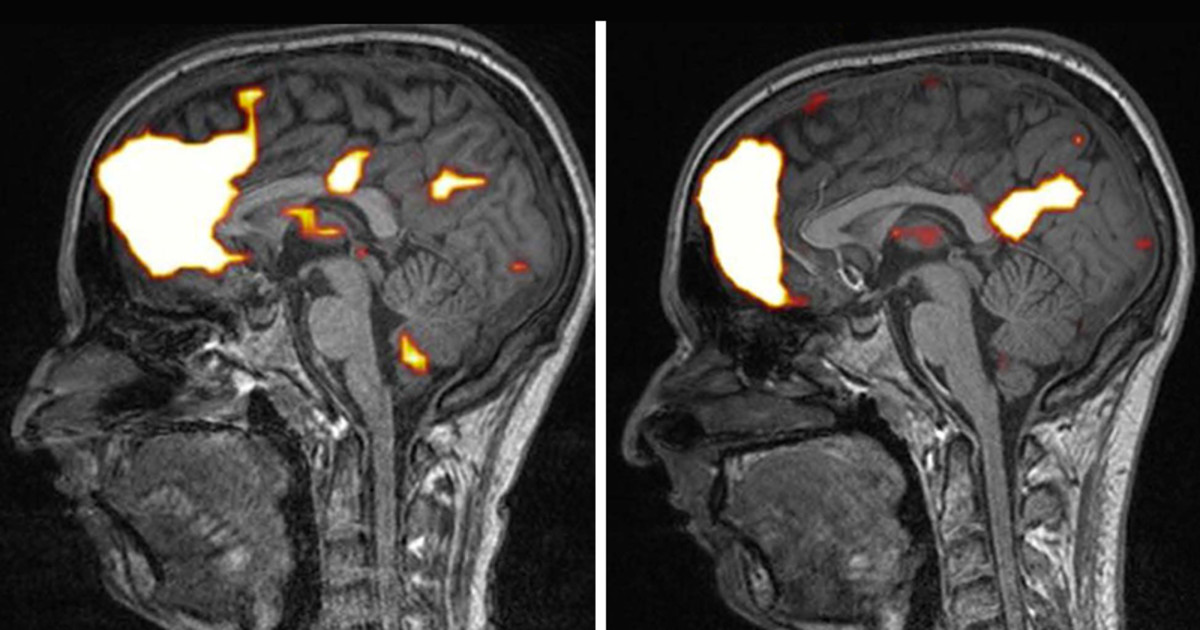
Scientists Discover Brain Circuit Linked to Chronic Pain—Offering New Hope for Treatment
For the millions of people worldwide who suffer from chronic pain, relief has long been elusive. Unlike acute pain—a temporary alarm signaling injury—chronic pain persists long after the initial cause has healed, often with no clear biological explanation. Now, a groundbreaking study published in the journal Nature has identified a previously unknown brain circuit that may hold the key to understanding why pain becomes chronic—and how to stop it.
The discovery, led by researchers at the Salk Institute for Biological Studies in California, reveals a distinct neural pathway that appears to be responsible for the transition from acute to chronic pain. This pathway operates independently of the brain’s immediate pain-response system, which is designed to protect the body from harm. The findings could pave the way for targeted therapies that prevent chronic pain from taking root in the first place, offering hope to patients with conditions like fibromyalgia, neuropathy, and long-term back pain.
“This is a paradigm shift in how we feel about pain,” said Dr. Martyn Goulding, senior author of the study and a professor at the Salk Institute. “For the first time, we’ve identified a circuit that doesn’t just respond to pain but seems to sustain it over time. If we can disrupt this circuit, we may be able to prevent chronic pain from developing.”
The Brain’s Hidden Pain Circuit
Pain is a complex experience, blending physical sensation with emotional distress. While scientists have long understood the basic pathways that transmit pain signals from the body to the brain, the mechanisms behind chronic pain have remained mysterious. The new study, published on April 20, 2026, sheds light on this puzzle by identifying a circuit involving the paraventricular anterior nucleus of the thalamus (PVA), a region previously linked to emotional processing.
Using advanced imaging techniques in mouse models, the researchers observed that chronic pain activates a specific subset of neurons in the PVA. These neurons then communicate with the brain’s emotional centers, including the amygdala and prefrontal cortex, amplifying the perception of pain and making it persist even after the original injury has healed. Crucially, this circuit operates separately from the brain’s acute pain pathways, which are designed to trigger immediate protective responses—like pulling your hand away from a hot stove.
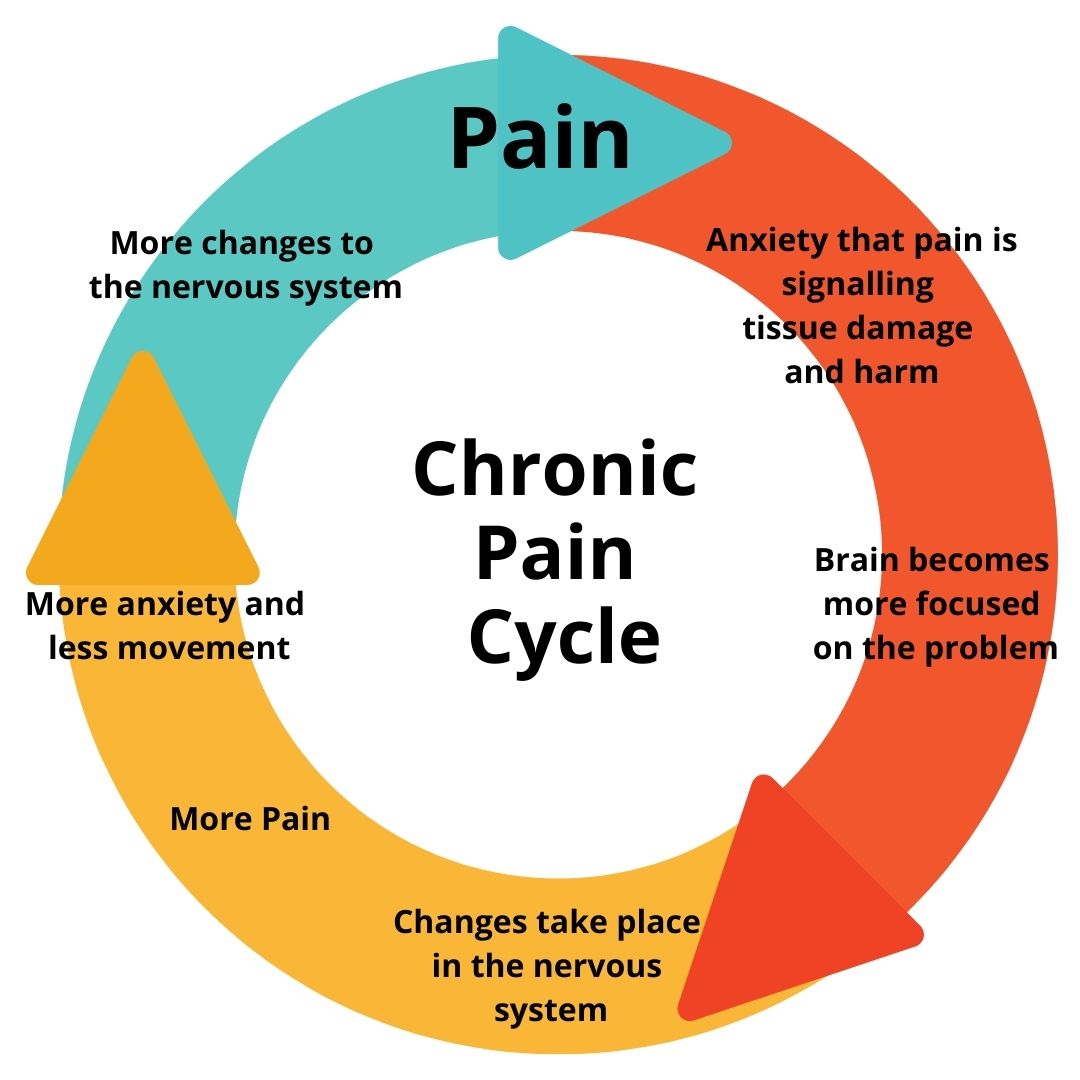
“What we’re seeing is a kind of ‘pain memory’ in the brain,” explained Dr. Goulding. “This circuit doesn’t just detect pain—it reinforces it, creating a feedback loop that can keep the pain alive long after the body has healed.” The study also found that blocking this circuit in mice reduced chronic pain behaviors without affecting their ability to sense acute pain, suggesting that targeting this pathway could offer pain relief without numbing the body’s protective responses.
Why This Discovery Matters
Chronic pain affects an estimated 50 million adults in the United States alone, with conditions like arthritis, migraines, and lower back pain ranking among the leading causes of disability worldwide. Current treatments, including opioids and anti-inflammatory drugs, often provide limited relief and come with significant side effects, including addiction and gastrointestinal issues. The new findings offer a potential alternative by targeting the root cause of chronic pain rather than just masking its symptoms.
“This research is a game-changer because it shifts the focus from managing pain to preventing it from becoming chronic in the first place,” said Dr. Helena Fischer, a physician and health journalist based in Berlin. “If we can develop therapies that disrupt this circuit early on, we might be able to spare patients years of suffering.”
The study also highlights the role of emotional processing in chronic pain. Patients with conditions like depression or anxiety are more likely to develop chronic pain, and the new findings suggest that this may be due to the overlap between pain and emotion circuits in the brain. This could explain why psychological therapies, such as cognitive behavioral therapy (CBT), have been shown to help some chronic pain patients—by breaking the feedback loop between pain and emotional distress.
From Lab to Clinic: The Road Ahead
While the study’s findings are promising, translating them into clinical treatments will seize time. The researchers are now exploring ways to target the PVA circuit in humans, including the use of deep brain stimulation (DBS) and gene therapy. DBS, which involves implanting electrodes in the brain to modulate neural activity, has already shown success in treating conditions like Parkinson’s disease and depression. If adapted for chronic pain, it could offer a non-pharmacological alternative for patients who haven’t responded to other treatments.
Another potential avenue is the development of drugs that specifically block the signaling molecules involved in the PVA circuit. The study identified calcitonin gene-related peptide (CGRP), a molecule already targeted by migraine medications, as a key player in the circuit’s activation. This raises the possibility that existing CGRP inhibitors could be repurposed to treat other forms of chronic pain.
“The beauty of this discovery is that it opens up multiple paths for intervention,” said Dr. Goulding. “Whether through drugs, brain stimulation, or even behavioral therapies, we now have a clearer target to aim for.”
What This Means for Patients
For those living with chronic pain, the new research offers a glimmer of hope—but also a reminder of the complexity of their condition. Chronic pain is not just a physical experience; it’s deeply intertwined with emotions, memories, and even social factors. This means that effective treatment will likely require a multidisciplinary approach, combining medical interventions with psychological support and lifestyle changes.
Here are some key takeaways for patients and caregivers:
- Early intervention is critical. The study suggests that chronic pain may develop when the PVA circuit is repeatedly activated. Seeking treatment for acute pain early—before it becomes chronic—could help prevent this transition.
- Emotional health matters. Stress, anxiety, and depression can amplify pain by activating the same brain circuits identified in the study. Therapies like CBT, mindfulness, and stress management may help break the cycle of pain and emotional distress.
- New treatments are on the horizon. While it may take years for therapies targeting the PVA circuit to grow widely available, patients can ask their doctors about emerging options like CGRP inhibitors or DBS.
- Lifestyle changes can help. Exercise, sleep, and a healthy diet have been shown to reduce inflammation and improve pain tolerance. These changes won’t cure chronic pain, but they can make it more manageable.
For now, patients are encouraged to operate with their healthcare providers to explore a combination of treatments tailored to their specific needs. Organizations like the International Association for the Study of Pain (IASP) and the Pain Research Forum offer resources and updates on the latest research and clinical trials.
The Bigger Picture: Rethinking Pain
The discovery of the PVA circuit challenges long-held assumptions about pain. For decades, scientists and doctors have treated pain as a purely sensory experience—a signal from the body to the brain. But this new research suggests that pain is also a learned experience, shaped by the brain’s emotional and memory systems.
“This study forces us to rethink what pain really is,” said Dr. Fischer. “It’s not just a symptom; it’s a dynamic process that involves the entire brain. Understanding this could help us develop more effective, personalized treatments for chronic pain—and maybe even prevent it altogether.”
The findings also raise ethical questions about how society treats chronic pain. Patients with conditions like fibromyalgia or complex regional pain syndrome (CRPS) have often been dismissed as “imagining” their pain, partly because traditional medical tests can’t always detect its biological basis. The new research underscores that chronic pain is particularly real—and that it’s rooted in the brain’s wiring, not just the body’s.
What’s Next?
The next step for researchers is to validate their findings in human studies. The Salk Institute team is already collaborating with clinicians to explore whether the PVA circuit behaves similarly in people with chronic pain. If successful, this could lead to clinical trials for new therapies within the next five years.
For patients, the message is clear: help is on the way. While chronic pain remains a formidable challenge, the discovery of this hidden brain circuit marks a turning point in the fight against it. As Dr. Goulding put it, “We’re not just treating pain anymore—we’re trying to stop it from taking over people’s lives.”
For more updates on this story and other breakthroughs in medical science, follow World Today Journal’s Health section. Have you or a loved one struggled with chronic pain? Share your story in the comments below—your experience could help others locate hope.
Keep reading
- WHO Regrets US Intention to Withdraw and Urges Reconsideration
- Gabija Galvydytė Takes 4th in 800m Final at European Athletics Championships in Birmingham
- The Antideficiency Act, Explained: The Law Behind Every Shutdown (daybreakwire.com)
- What Holds Matter Together? Physicists Find Breakthrough Evidence After 50 Years (archyworldys.com)