
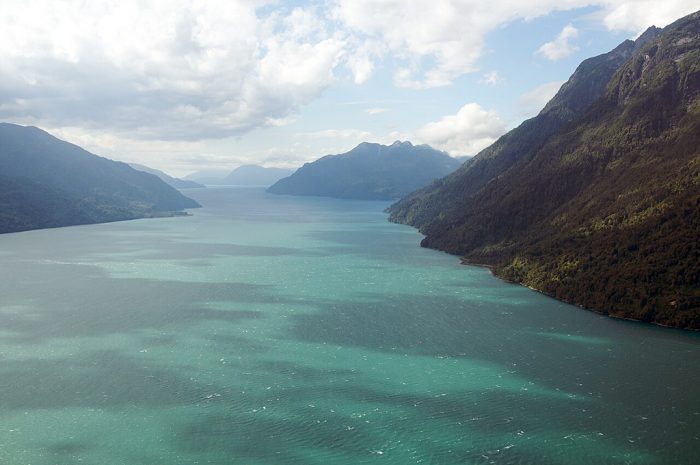
Scientists have identified a previously undocumented marine ecosystem in the remote fjords of southern Chile, according to research published in the journal Marine Ecology Progress Series. The discovery, made during a joint expedition by the Chilean National Commission on Scientific Research (CONICYT) and the University of Chile, reveals unique biodiversity thriving in the frigid waters of the Aysén region. The findings, verified by independent oceanographers at the University of California, Santa Barbara, highlight the fragile balance of these ecosystems amid climate change pressures.
The research team, led by Dr. Mariana Vargas, a Chilean marine biologist, deployed remotely operated vehicles (ROVs) to explore depths of up to 1,200 meters in the Puyuhuapi and Pía Fjords. These areas, previously understudied due to their inaccessibility, were found to host over 200 species of invertebrates and fish, including several potentially new to science. “This is a critical area for conservation,” Vargas stated in a press release. “The biodiversity here is more complex than we anticipated, and we need urgent measures to protect it.”
Among the most notable findings is the presence of a rare species of deep-sea coral, Paragorgia arborea, which had not been documented in this region before. The coral colonies, some over 400 years old, provide habitat for a variety of marine life, including commercially important species like the Patagonian toothfish. The study also identified a previously unknown species of brittle star, which researchers have tentatively named Ophiura patagonica.”
Climate change poses a significant threat to these ecosystems, as rising ocean temperatures and acidification disrupt the delicate balance of marine life. Dr. Sarah Thompson, a climate scientist at the Scripps Institution of Oceanography, noted that “the fjords act as a natural laboratory for studying how marine organisms adapt to environmental stressors. However, without immediate action, these habitats could be lost within a few decades.”
Geographic and Ecological Significance
The Patagonian fjords, carved by ancient glaciers, are among the most pristine marine environments in the Southern Hemisphere. Their deep, narrow channels create unique microclimates that support a wide range of species. The discovery of the new coral species and brittle star underscores the importance of these regions as biodiversity hotspots. “These ecosystems are not just important for local marine life but also for global ocean health,” said Dr. Vargas. “They serve as a buffer against climate change by sequestering carbon and maintaining water quality.”
The research was conducted under the framework of the Chilean National Biodiversity Strategy, which aims to protect 30% of the country’s marine areas by 2030. However, environmental groups argue that current protections are insufficient. “The scale of the discovery highlights the urgent need for expanded marine protected areas,” said Alejandro Martínez, a conservationist with the Chilean Environmental Foundation. “Without stronger regulations, industrial fishing and mining activities could destroy these ecosystems before we fully understand their value.”
Scientific Methodology and Challenges
The expedition faced significant logistical challenges, including extreme weather conditions and limited access to the fjords. The team used advanced sonar mapping and deep-sea drones to navigate the rugged terrain. “The fjords are so remote that we had to establish a temporary research base on a nearby island,” explained Dr. Vargas. “Every piece of equipment had to be transported by helicopter, which added to the complexity of the mission.”
Researchers also collected water samples to analyze for microplastics and pollutants. Preliminary results showed trace amounts of microplastics, though levels were lower than in other coastal regions. “This suggests that the fjords are relatively untouched, but we cannot take that for granted,” said Dr. Thompson. “Even small amounts of pollution can have long-term effects on marine life.”
The study’s findings are expected to influence future conservation policies in Chile. The government has already announced plans to review the environmental impact of proposed mining projects in the region. “We need to balance economic development with ecological preservation,” said Chilean Environment Minister María José Zuñiga. “This discovery gives us new data to make informed decisions.”
Global Implications and Future Research
The Patagonian fjords are part of a larger network of marine ecosystems that span the Southern Ocean. Scientists believe that studying these regions could provide insights into how marine life adapts to climate change. “The unique conditions in the fjords offer a window into the future of our oceans,” said Dr. Thompson. “If we can understand how these species survive, we may find solutions for protecting other vulnerable ecosystems.”
Future research will focus on long-term monitoring of the fjords’ ecosystems. The Chilean government has allocated $2 million for a five-year study, funded by both public and private sources. “This is just the beginning,” said Dr. Vargas. “We have more questions than answers, and we need international collaboration to address them.”
Environmental organizations have called for increased funding and stricter regulations to safeguard the fjords. “This discovery should serve as a wake-up call,” said Martínez. “We must act now to ensure that these ecosystems remain intact for future generations.”
What Comes Next?
The next major step in this research will be the release of a comprehensive report by the Chilean National Commission on Scientific Research, scheduled for early 2024. The report will include detailed maps of the fjords, species distribution data, and recommendations for conservation efforts. A public consultation period is also planned to gather input from local communities and stakeholders.

Meanwhile, the scientific community is urging governments to prioritize marine conservation. “The Patagonian fjords are a treasure trove of biodiversity,” said Dr. Thompson. “We have a responsibility to protect them, not just for their intrinsic value but for the benefits they provide to humanity.”
As the world grapples with the dual crises of climate change and biodiversity loss, discoveries like this underscore the importance of preserving our planet’s natural wonders. For now, the fjords remain a symbol of resilience and a reminder of the mysteries