<>
Scrub typhus is a serious, often overlooked bacterial infection caused by the bite of larval mites, known as chiggers, that carry the Orientia tsutsugamushi bacterium. Characterized by sudden high fever, severe headache, and muscle pain, the disease is prevalent in rural and agricultural regions across Asia and the Pacific. While it can lead to multi-organ failure if left untreated, it is highly responsive to specific antibiotic therapies when diagnosed in the early stages.
Understanding the transmission cycle and recognizing the warning signs is essential for patients living in or traveling to endemic areas, particularly during the monsoon season when vegetation growth increases human contact with mite-infested habitats.
Understanding the Transmission of Scrub Typhus
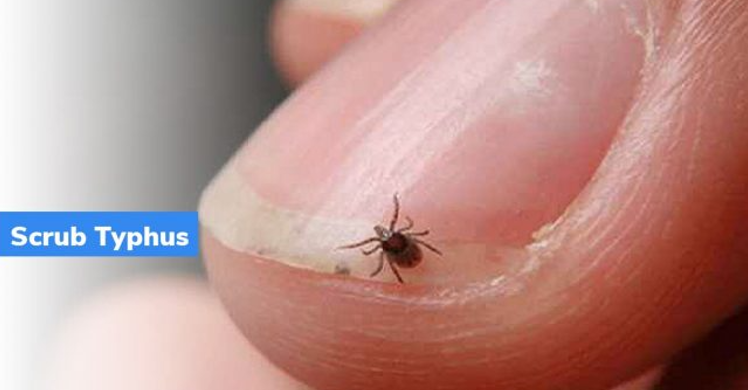
The infection begins when a human is bitten by an infected chigger—a larval stage mite that is virtually invisible to the naked eye. These mites are typically found in dense vegetation, grassy fields, and forest clearings. Contrary to common misconceptions, scrub typhus does not spread from person to person; humans are merely accidental hosts in the mite’s life cycle.
The Orientia tsutsugamushi bacteria enter the bloodstream and begin multiplying within the endothelial cells that line the blood vessels. This process triggers a systemic inflammatory response, which explains why the infection can impact multiple organ systems simultaneously. Because the bacteria target the vascular lining, the resulting inflammation can lead to complications in the lungs, liver, kidneys, heart, and brain if the infection remains unchecked by medical intervention.
Identifying Symptoms and the Eschar Clue
The initial symptoms are often non-specific, making early clinical identification difficult. Most patients report a sudden onset of high fever, chills, severe headache, and significant muscle or body aches. Many also experience extreme fatigue that persists throughout the duration of the fever.
One of the most diagnostic, yet inconsistently present, features of the disease is the eschar. An eschar is a small, painless, black-centered scab that forms at the exact site of the chigger bite. While medical literature often highlights the eschar as a hallmark sign, it is important to note that it is not present in all cases.
Common Clinical Signs
- High, persistent fever
- Severe, localized or generalized headache
- Myalgia (muscle pain) and generalized body ache
- Lymphadenopathy (swollen lymph nodes)
- Maculopapular rash, which may appear on the trunk and spread to the extremities
- Gastrointestinal symptoms, including nausea or abdominal discomfort
Risks and Complications of Delayed Treatment
When left untreated, the “fire” of the infection can cause significant damage. The systemic inflammation can lead to severe clinical outcomes, including interstitial pneumonia, myocarditis, and encephalitis. In more severe cases, patients may experience acute kidney injury or multi-organ failure. Vulnerable populations, particularly the elderly and children, are at a higher risk for these complications, underscoring the necessity of seeking medical attention at the first sign of a persistent, unexplained fever.
Diagnosis is primarily clinical, supported by a detailed travel and activity history. Physicians will typically ask about recent exposure to forests, farms, or grassy areas, especially during the rainy season. Laboratory confirmation is often sought through serological tests that detect antibodies against O. tsutsugamushi or through molecular methods like polymerase chain reaction (PCR). Because these tests may not be available in all rural clinics, clinical suspicion remains the most vital tool in preventing the disease from progressing to a life-threatening stage.
Treatment and Management
The good news is that scrub typhus is highly treatable. Once the diagnosis is suspected or confirmed, physicians typically initiate a course of antibiotics. Doxycycline is the gold standard treatment for most patients. In certain populations, such as pregnant women or those with specific contraindications, alternative antibiotics like azithromycin may be used, as noted in clinical guidelines regarding rickettsial infections.
Most patients show significant clinical improvement within 24 to 48 hours of starting appropriate antibiotic therapy. For patients who present with severe systemic involvement, hospitalization is necessary. These individuals may require supportive care, such as intravenous fluids, oxygen therapy, or close monitoring for signs of organ dysfunction. Early initiation of treatment is the single most effective way to reduce the risk of severe complications and mortality.
Prevention Strategies
Preventing scrub typhus is largely a matter of minimizing exposure to chiggers. Since there is currently no vaccine available for the disease, personal protective measures are the primary defense for individuals living in or visiting endemic areas.
- Dress Appropriately: Wear long-sleeved shirts and long trousers tucked into socks when walking in grassy or forested areas.
- Use Repellents: Apply insect repellents containing DEET or permethrin to clothing and exposed skin, following the manufacturer’s instructions.
- Clear Vegetation: Maintain a clean environment around the home by removing tall grass and brush, which helps reduce the habitat for chiggers and their small-mammal hosts.
- Post-Outdoor Hygiene: Bathe and wash clothes thoroughly after returning from outdoor activities in high-risk zones.
If you or a family member develops a high fever after spending time in outdoor environments, it is imperative to consult a healthcare provider promptly. Inform your doctor specifically about your recent outdoor activities, as this information can be critical in narrowing down the differential diagnosis and ensuring you receive the correct treatment. By remaining vigilant and informed, we can effectively manage the risks associated with this seasonal infection and ensure timely recovery.