
The 1965 war drama The Hill, directed by Sidney Lumet, remains a definitive study of institutional brutality and the psychological toll of military confinement. Set in a British Army disciplinary camp in the Libyan Desert during the North African Campaign of World War II, the film features a high-profile ensemble cast, including Sean Connery, Harry Andrews, Ian Hendry, Ian Bannen, Roy Kinnear, and Ossie Davis. According to the British Film Institute, the production is widely regarded for its stark, black-and-white cinematography and its unflinching depiction of the friction between individual integrity and authoritarian power structures.
The narrative centers on five new prisoners arriving at a remote desert stockade, where they are subjected to rigorous physical punishment designed to break their spirits. The film explores the systemic abuse of power exercised by the camp’s staff, particularly through the sadistic methods of the guards. As noted by the Criterion Collection, the tension is driven by the conflict between the prisoners—led by Connery’s character, Joe Roberts—and the camp’s personnel, who enforce arbitrary discipline to maintain control over the detainees.
The Performance of a Career-Defining Cast
Sean Connery’s portrayal of Joe Roberts marked a significant departure from his burgeoning persona as James Bond. By choosing a physically demanding, non-glamorous role, Connery demonstrated a desire to be recognized as a serious dramatic actor. Critics have frequently cited his performance in this film as one of the most compelling of his early career. Opposite him, Harry Andrews delivers a chilling performance as Regimental Sergeant Major Wilson, a man who views the strict adherence to military protocol as his only reality.
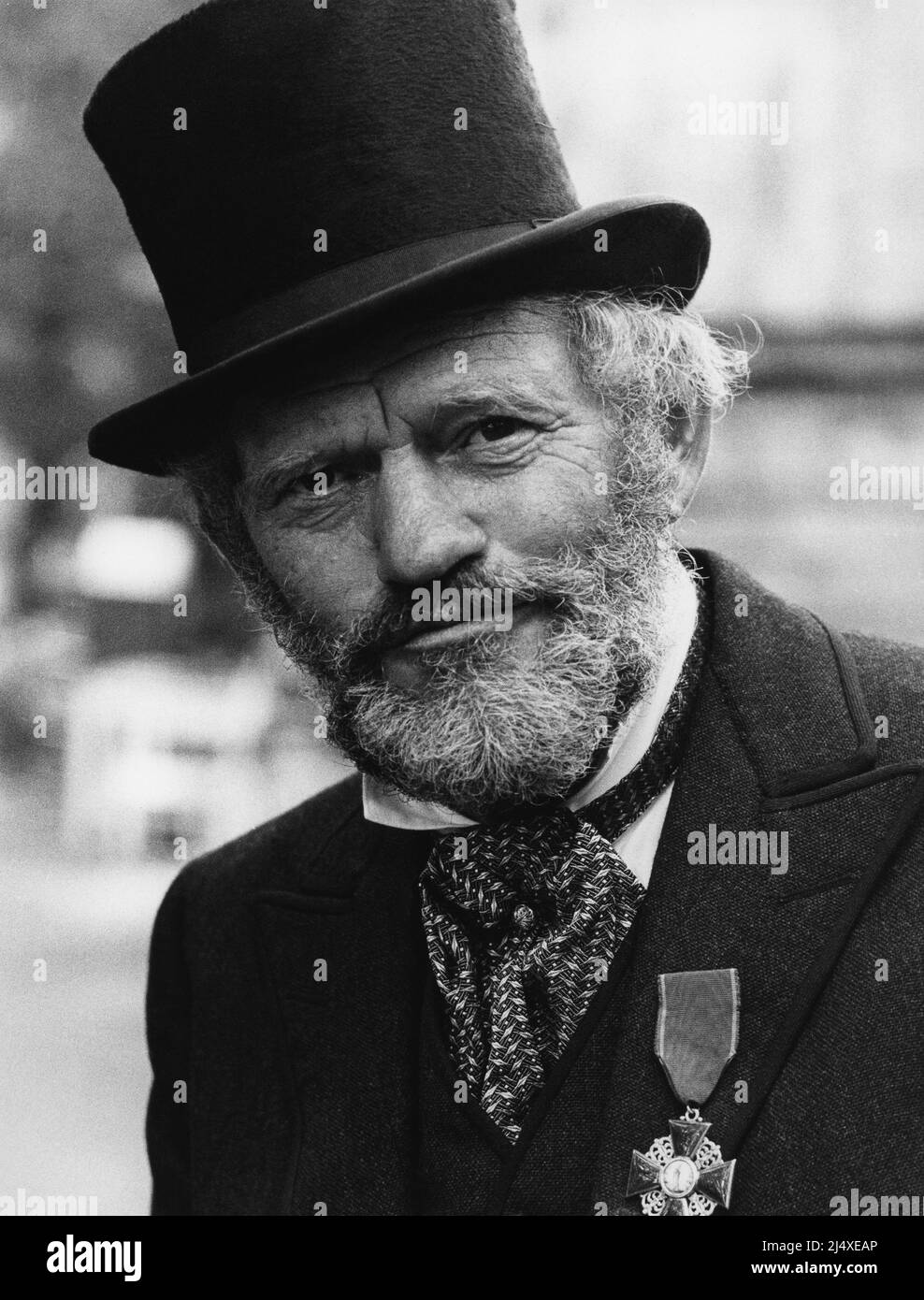
The supporting cast provides the necessary weight to the film’s claustrophobic atmosphere. Ian Hendry, playing Staff Sergeant Williams, embodies the cruelty of the camp’s administration, while Ian Bannen, Roy Kinnear, and Ossie Davis serve as the moral and emotional anchors of the prisoner group. Each actor contributes to a collective portrayal of men pushed to their breaking point by the relentless heat and the systematic degradation enforced by their captors.
Production Context and Cinematic Impact
Director Sidney Lumet, known for his ability to elicit powerful performances in contained environments, utilized the harsh, sun-drenched landscape of Spain to double for the North African desert. The film was released in the United Kingdom on August 3, 1965. Its technical execution, particularly the use of wide-angle lenses to emphasize the scale of the “hill”—a man-made mound of sand that prisoners are forced to climb repeatedly as punishment—has been analyzed extensively in film history curricula.

The script, written by Ray Rigby and based on a play he co-wrote with R.S. Allen, reflects the writers’ own experiences as prisoners of war. This personal history adds a layer of authenticity to the dialogue and the specific nature of the abuse depicted. The film’s focus on the degradation of the human spirit within a closed system remains a point of reference for scholars interested in the intersection of military history and mid-century cinema.
Institutional Brutality and Legacy
The central theme of The Hill is the dehumanizing effect of bureaucracy and blind obedience. The camp staff operates under the belief that discipline is the foundation of the British Army, even when that discipline serves no strategic purpose other than the subjugation of their own men. This moral vacuum is contrasted with the solidarity formed among the prisoners, who must decide whether to survive by complying or to resist at the risk of further harm.
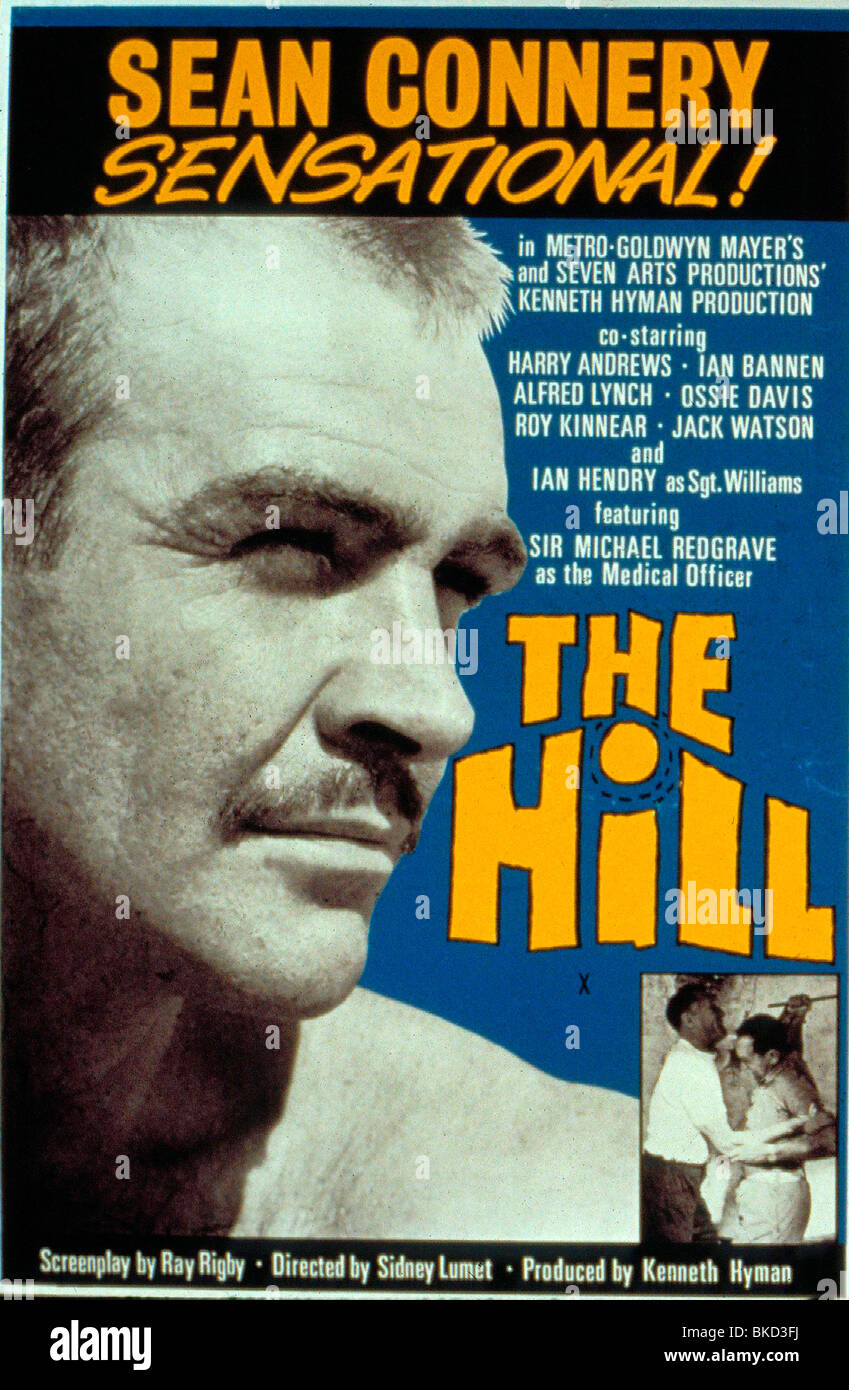
Decades after its release, the film continues to be studied for its influence on the subgenre of prison dramas. Its refusal to offer a simplistic resolution or to glamorize the military experience sets it apart from many contemporary war films of the 1960s. For audiences interested in the evolution of British cinema, The Hill serves as a testament to the collaborative power of a director and a cast committed to exploring the darker complexities of human nature.
Future discussions regarding the film’s restoration and its place in the canon of Sidney Lumet’s work are expected to continue as part of ongoing archival efforts by film preservation organizations. Readers are encouraged to share their perspectives on the film’s impact or comment on their favorite performances from this ensemble in the section below.
Keep reading