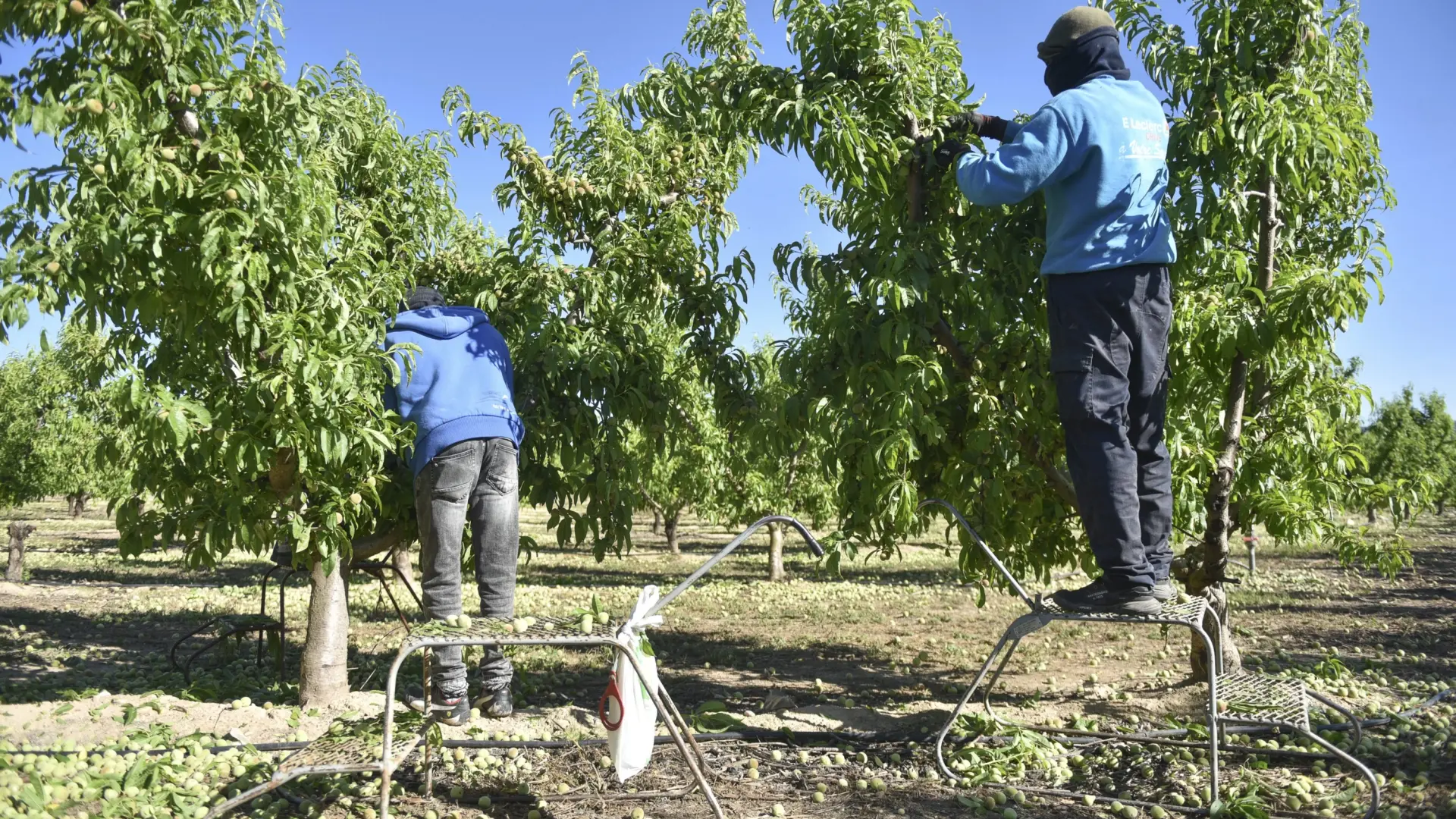
Agricultural workers in Fraga, a municipality in the Bajo Cinca region of Spain, are shifting their daily routines to avoid the health risks posed by extreme heatwaves, which have pushed temperatures toward 43 degrees Celsius (109 degrees Fahrenheit). By beginning their shifts at dawn and prioritizing rigorous hydration, laborers in the region are managing the physical demands of the fruit harvest while navigating increasingly volatile Mediterranean summers.
Adapting to Extreme Heat in the Bajo Cinca
The town of Fraga, located in the province of Huesca, frequently experiences high temperatures during the peak of the summer harvest season. As climate patterns shift, agricultural employers and laborers have been forced to implement strict safety protocols to mitigate heat-related illnesses. According to regional health guidelines published by the Government of Aragon, outdoor workers must be provided with shade, access to potable water, and mandatory rest periods when the Spanish State Meteorological Agency (AEMET) issues red or orange heat warnings.

For those working in the stone fruit orchards, the strategy is simple: start early to finish early. By arriving at the fields before sunrise, workers can complete the bulk of the day’s labor before the most intense solar radiation hits between 2:00 p.m. and 6:00 p.m. This shift in schedule is a common practice across the Ebro Valley, where agriculture remains a primary driver of the local economy.
Regulatory Framework for Occupational Safety
Spain’s approach to protecting outdoor workers from thermal stress is governed by national labor laws, specifically those updated following the passage of Royal Decree-Law 4/2023. This legislation explicitly prohibits certain outdoor tasks during extreme weather conditions if alternative measures cannot guarantee the safety of the workers. Employers are legally obligated to conduct risk assessments that account for the specific meteorological conditions of the area.

The Labor Inspection office in Huesca periodically monitors compliance with these standards. Failure to provide adequate hydration or to suspend work during severe heat warnings can result in significant financial penalties for agricultural enterprises. The focus remains on preventing heat exhaustion and heatstroke, conditions that can be fatal for individuals performing strenuous physical labor in high-ambient temperatures.
The Economic Importance of the Harvest
The Bajo Cinca region is a major hub for the production of peaches, nectarines, and other stone fruits. The harvest season is a critical period for the local economy, requiring a significant influx of temporary labor. While mechanization has advanced in many sectors, the delicate nature of stone fruit still requires manual picking, which remains labor-intensive.
The economic sustainability of this sector is intrinsically linked to the well-being of its workforce. Industry representatives have noted that maintaining a stable labor force requires adherence to safety standards that go beyond basic legal requirements. By fostering a culture of safety, farms in Fraga aim to ensure that the harvest proceeds efficiently despite the challenges posed by climate change.
Future Outlook and Safety Monitoring
As summer temperatures continue to reach record highs in the Iberian Peninsula, the agricultural sector is exploring further adaptations. This includes the use of cooling vests, the expansion of early-morning shifts, and the integration of real-time weather monitoring systems that provide alerts directly to field supervisors. The National Institute for Safety and Health at Work continues to provide updated resources for employers to improve workplace conditions in high-heat environments.

The next major checkpoint for these safety initiatives will be the upcoming review of labor compliance reports for the 2024 harvest season, which are expected to be published by the regional labor authorities in the autumn. Residents and stakeholders interested in the progress of these safety measures can track updates through the official portal of the Aragon Labor Inspection service. We encourage readers to share their thoughts or experiences regarding climate adaptation in the workplace in the comments section below.