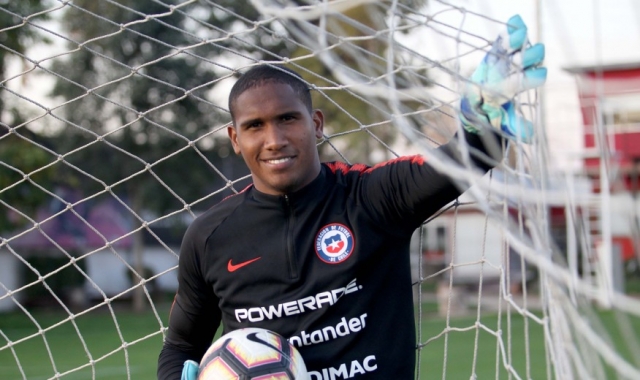
The race to finalize Ecuador’s squad for the 2026 World Cup is intensifying, and while most positions are settling, the battle for the final goalkeeper spot has taken an unexpected turn. National team coach Sebastián Beccacece has revealed that the Ecuadorian Football Federation (FEF) is exploring the possibility of bringing Omar Carabalí back into the fold, a move that introduces both tactical promise and a layer of sporting controversy.
With the tournament looming, Beccacece has already established a clear hierarchy in the goal. Hernán Galíndez and Gonzalo Valle are viewed as consolidated options for the squad, leaving only one remaining vacancy for a third-choice keeper according to reports from April 2, 2026. The pursuit of Carabalí represents a strategic “Plan C” to ensure the squad has maximum reliability between the posts during the global competition.
The interest in Carabalí is not merely based on his current form but on a complex eligibility history. Born in Guayaquil, the goalkeeper previously made the high-profile decision to renounce his Ecuadorian status in favor of representing the Chilean national team. However, his inability to secure a permanent starting role with “La Roja” has created a regulatory window that Beccacece and the FEF are now looking to utilize.
The Omar Carabalí Factor: A Return to Roots
The potential return of Omar Carabalí to the Ecuadorian national team has sparked a significant debate within the country’s footballing community. The core of the controversy stems from his past loyalty to Chile, which some view as a hurdle for his reintegration into “La Tri.” Despite this, Beccacece has remained pragmatic about the sporting benefits the keeper could provide.
In a recent dialogue with Radio Centro, the Argentine strategist was transparent about the ongoing efforts to secure the player. “Hemos hecho unas gestiones por Omar Carabalí. Es un futbolista que en algún momento tenía esas posibilidades, aunque él había renunciado a su condición de ecuatoriano para jugar en la selección de Chile,” Beccacece explained as confirmed on April 2, 2026.
For the FEF, the priority is the technical profile of the player. Carabalí’s experience in a competitive foreign league and his physical attributes make him an attractive candidate to support Galíndez and Valle. The regulatory process to regain his eligibility for Ecuador is the primary hurdle currently being managed by the federation.
Current Form and Club Status
Carabalí’s resurgence in the Chilean league has been the catalyst for this renewed interest. While he is officially registered as a player for Colo-Colo, he has spent critical time gaining minutes and protagonism at O’Higgins per reports from April 2026. His consistency and regular playing time at O’Higgins have allowed the Ecuadorian technical staff to monitor his evolution in real-time.
The ability to perform under pressure in the Chilean circuit has proven vital. For a third-choice goalkeeper, the requirement is often a mix of readiness and a steady psychological profile—traits that Carabalí has demonstrated during his recent tenure in Chile. His ability to maintain a high level of performance while away from the spotlight of a primary national team role makes him a “hidden” asset for Beccacece’s tactical planning.
Domestic Alternatives and the Final Selection
While the pursuit of Carabalí has captured headlines, Beccacece has not entirely closed the door on domestic talent. The Ecuadorian league continues to produce competitive goalkeepers who believe they deserve the final World Cup spot. The coach is currently weighing the benefits of an experienced international like Carabalí against the hunger and current rhythm of local players.

Several names from the domestic championship remain under consideration, including Rolando Silva, Jamilton Piedra, and David Cabezas according to sources on April 2, 2026. These players offer the advantage of being closer to the national team’s daily operations and avoiding the bureaucratic complexities associated with Carabalí’s citizenship status.
The decision will ultimately hinge on whether Beccacece prioritizes the “ceiling” of the player’s potential—where Carabalí arguably holds an edge—or the stability of a player already integrated into the local footballing ecosystem.
Key Takeaways: The Goalkeeping Dilemma
- Confirmed Starters: Hernán Galíndez and Gonzalo Valle are the primary locks for the 2026 World Cup squad.
- The Target: Omar Carabalí, a Guayaquil-born keeper currently playing for O’Higgins (owned by Colo-Colo), is the lead candidate for the third spot.
- The Complexity: Carabalí previously renounced his Ecuadorian status to play for Chile, requiring regulatory gestions by the FEF for his return.
- Local Competition: Rolando Silva, Jamilton Piedra, and David Cabezas remain in the conversation as domestic alternatives.
- Coach’s Stance: Sebastián Beccacece is prioritizing sporting merit and current performance in the Chilean league over previous national team affiliations.
As the deadline for the final squad submission approaches, the FEF’s success in these “gestiones” will determine if Carabalí makes the leap from a “Plan C” to a confirmed member of the delegation. The decision will be a litmus test for Beccacece’s approach to squad building—balancing sentiment, regulation, and pure athletic performance.
The next confirmed checkpoint will be the announcement of the provisional squad list, where the status of the third goalkeeper position will be officially clarified.
Do you think Omar Carabalí’s experience in Chile outweighs the controversy of his previous switch in loyalty? Share your thoughts in the comments below.