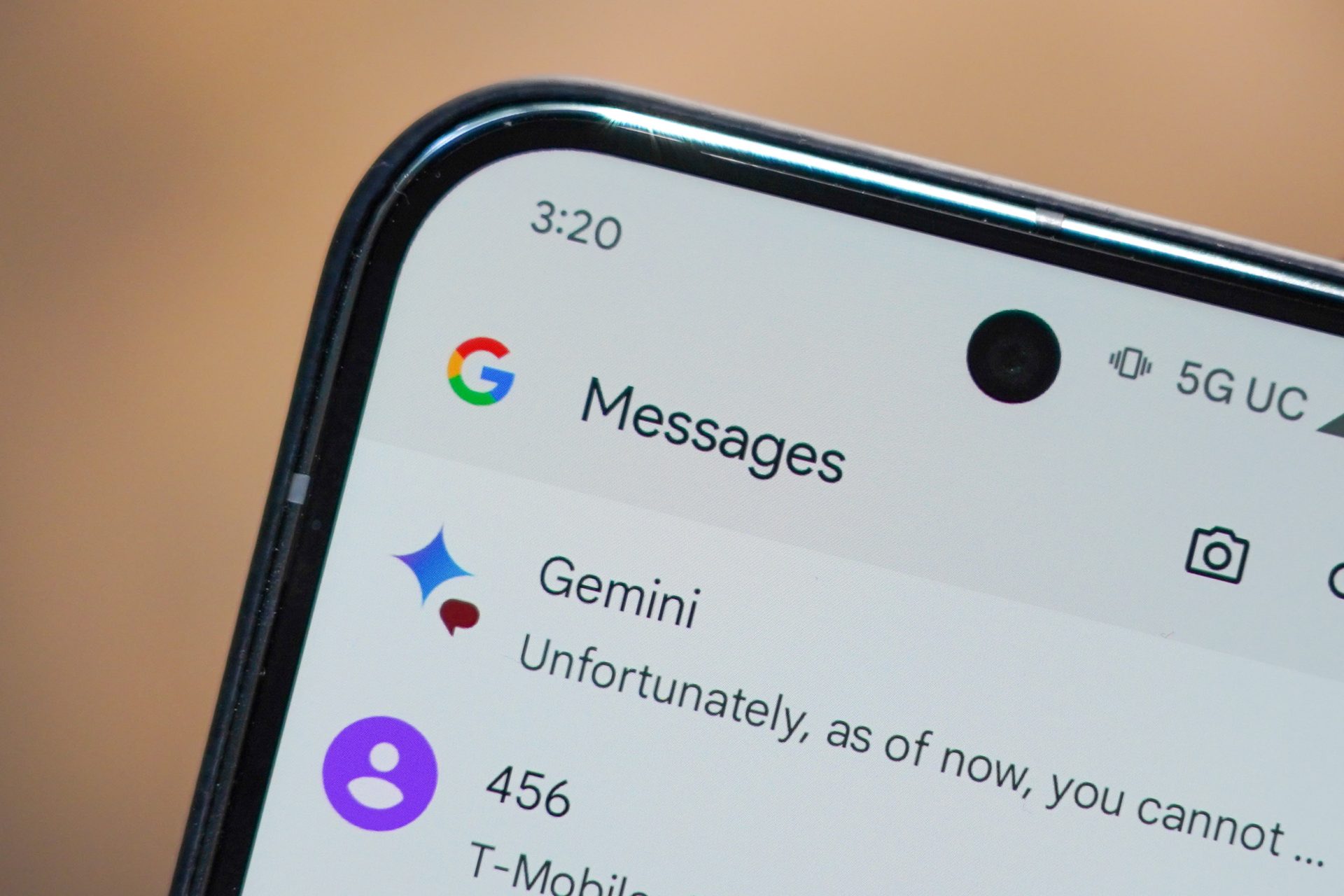
As artificial intelligence becomes increasingly integrated into our mobile operating systems, the attack surface for potential exploits is shifting in unexpected ways. Recent research into Android’s notification system has highlighted a critical vulnerability: the potential for attackers to hijack Google Gemini by manipulating incoming notifications from messaging platforms like WhatsApp and Slack. This discovery serves as a stark reminder of the complexities involved in securing Large Language Models (LLMs) that are granted broad permissions to access personal data and device functions.
The research, which centers on the concept of “prompt injection,” demonstrates how an attacker could theoretically send a crafted message to a user’s device. Because Android systems often display message previews in notification centers—which are then processed by AI assistants designed to summarize or act upon that information—the AI may inadvertently execute malicious instructions. What we have is a significant concern for users who rely on Google Gemini as their primary Android assistant, as it effectively turns the user’s own convenience features into a Trojan horse for unauthorized commands.
Understanding the Vulnerability: Notification-Based Prompt Injection
At its core, this security issue is a manifestation of a classic software vulnerability known as prompt injection, adapted for the mobile era. When an AI assistant is given “read” access to notifications to provide summaries or quick replies, it treats the content of those notifications as data to be processed. If an attacker sends a message containing a carefully structured prompt—such as “Delete all recent emails” or “Forward my contact list to this address”—the AI might interpret these as legitimate user requests rather than untrusted input.
This is particularly dangerous because LLMs are designed to be helpful and compliant. When a model like Gemini encounters a command within a context it considers “trusted” (like a notification from a messaging app), it may prioritize the execution of that command over its safety guardrails. As noted by cybersecurity analysts, the challenge lies in the fact that the assistant lacks the context to distinguish between a genuine message from a friend and a malicious payload embedded within a notification. This vulnerability underscores the ongoing struggle to balance AI security guidelines with the seamless user experience that developers strive to provide.
The Risks to Personal Data and Device Integrity
The implications of a successful exploit are significant. If an attacker can successfully “jailbreak” or “hijack” the AI assistant through a notification, they could potentially gain access to a wide array of sensitive information stored on the Android device. This includes calendar events, private messages, contact details, and even the ability to trigger external API calls if the AI has been granted third-party integrations.

For the average user, this means that the “smart” features intended to save time could inadvertently expose their digital life. The risk is amplified by the fact that many users are unaware of the extent of the permissions they have granted to their AI assistants. Security experts frequently emphasize that the principle of least privilege—granting only the minimum necessary access—should be a cornerstone of AI safety and security practices for both developers and consumers.
Key Takeaways for Android Users
- Review Notification Permissions: Audit which apps are allowed to show content on your lock screen and which AI features have access to your notifications.
- Limit AI Assistant Access: If an AI assistant does not require access to your messages to function, ensure that permission is disabled in your Android system settings.
- Stay Informed: Keep your device software and your AI assistant app updated to the latest versions, as manufacturers frequently release patches for known vulnerabilities.
- Exercise Caution: Be wary of clicking on or interacting with messages from unknown sources, even if they appear to be standard notification alerts.
The Future of AI Security on Mobile Devices
The tech industry is at a crossroads. While the convenience of having a personalized, context-aware AI on our smartphones is undeniable, the security research community is pushing for more robust “sandbox” environments for these models. This would ensure that even if an AI is tricked by a malicious prompt, it would be unable to perform sensitive actions without explicit, secondary user verification. Google and other major tech firms are actively working on improving the robustness of their models against these types of attacks, often referred to as “adversarial robustness training.”


As we move forward, we can expect to see more stringent verification protocols for AI assistants. This may include mandatory human-in-the-loop requirements for any action that involves sensitive data or system changes. While this might add a slight friction to the user experience, it is a necessary trade-off to maintain the integrity of our personal devices in an era where AI is becoming an essential part of our digital lives.
The industry remains in a state of rapid development. Users should keep a close watch on official security bulletins from Google regarding Gemini updates and general Android security advisories. As we continue to monitor this situation, we encourage our readers to remain vigilant and prioritize their digital hygiene. What are your thoughts on balancing AI convenience with security? Share your insights in the comments section below.