
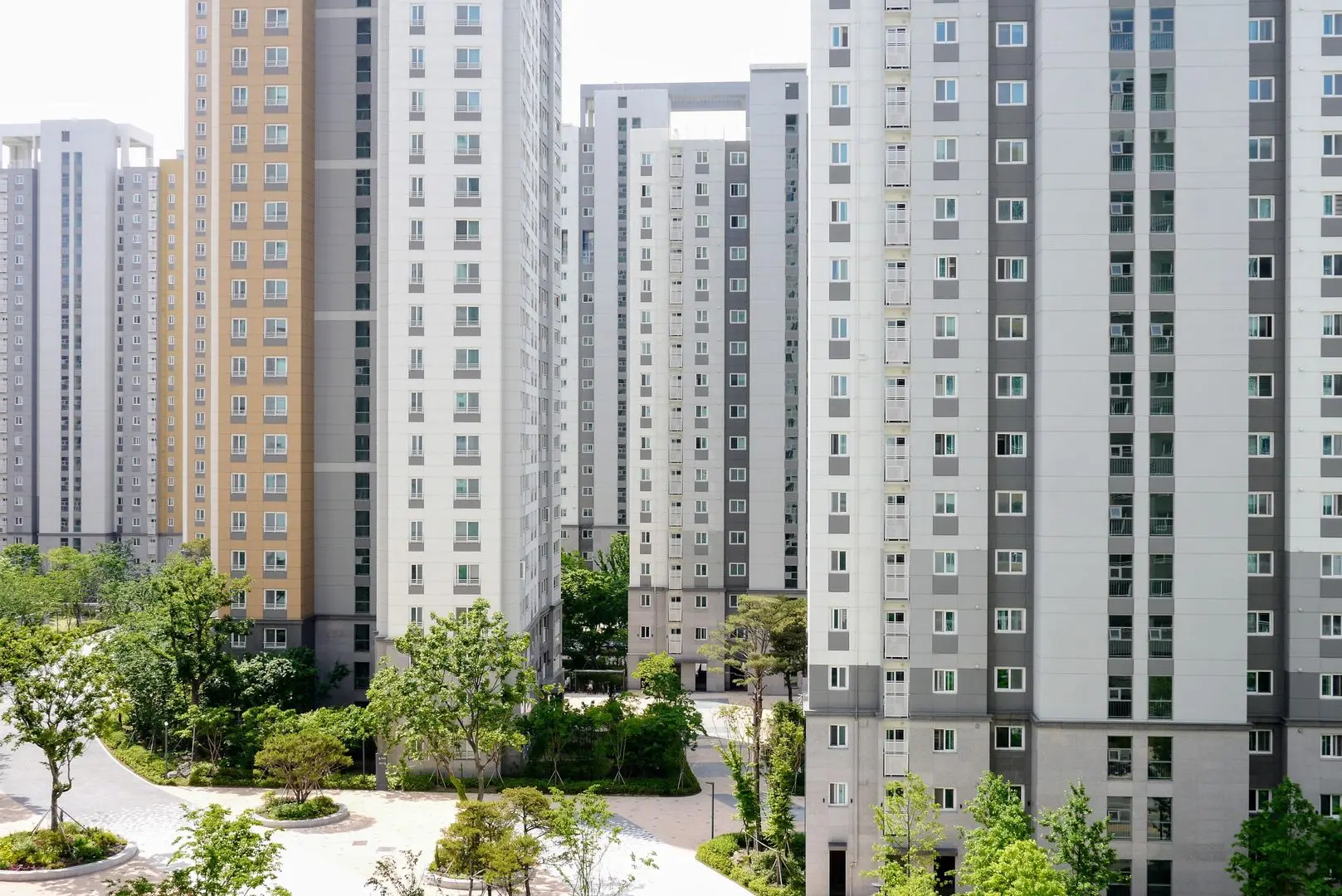
The residential real estate market in Sejong City has signaled a potential shift in momentum, moving from a period of decline to a modest recovery. According to data released on April 16, the Sejong City apartment price trend shifted toward growth, with sales prices rising by 0.02% as of April 13 compared to the previous week.
This reversal comes as a critical indicator for the region, which has previously struggled with a downward trend in property valuations. The shift from a decline to a rise in apartment prices suggests a change in market sentiment, though the margin of increase remains slim.
The data is based on the weekly provincial apartment price fluctuation survey conducted by the Korea Real Estate Board, the primary agency responsible for tracking housing market trends and providing official indices on residential property movements in South Korea.
Analyzing the Sejong Market Pivot
For an extended period, Sejong City experienced a cooling effect in its real estate sector. The recent 0.02% increase marks a technical transition from a negative growth rate to a positive one. While the percentage is slight, the psychological impact on investors and homeowners often outweighs the raw number, as it suggests the “bottom” of the market may have been reached.
The Korea Real Estate Board provides comprehensive data through its Real Estate Statistics Information System, which tracks the National Housing Price Trend Survey and the Joint Housing Actual Transaction Price Index. These tools allow analysts to monitor whether this uptick in Sejong is an isolated incident or part of a broader regional recovery across South Korea.
The Role of Official Valuation and Public Notice
Market sentiment is often influenced by official government valuations. The Real Estate Price Notification System manages the announcement of publicly notified prices, which serve as the basis for taxation and other administrative purposes.
Recent activity in the public notice system indicates a rigorous schedule for 2026. For instance, notifications for the review and submission of opinions regarding the 2026 individual house prices, individual land prices, and joint housing prices were all issued on March 18, 2026. The determination and public announcement of standard house prices occurred on January 23, 2026. These official valuations often create a baseline for market expectations, influencing how buyers and sellers perceive the “fair value” of properties in the Sejong area.
Understanding the Broader Economic Context
To determine if the Sejong City apartment price trend is sustainable, it is necessary to look at the broader data provided by the Ministry of Land, Infrastructure and Transport. The Actual Transaction Price Disclosure System provides granular data on the volume of sales and rental transactions, which helps distinguish between a rise in “asking prices” and a rise in “actual transaction prices.”
When prices shift from a decline to an increase, several factors are typically at play:
- Transaction Volume: An increase in the number of successful trades often precedes a rise in price indices.
- Policy Shifts: Changes in lending regulations or government infrastructure projects can stimulate demand.
- Psychological Thresholds: Once a market stops falling, buyers who were waiting for the “lowest point” may enter the market simultaneously, creating a surge in demand.
Key Data Sources for Market Tracking
For those monitoring the South Korean property market, three primary pillars of information are essential for verification:

- Korea Real Estate Board (REB): Provides the weekly fluctuation indices and the overall National Housing Price Trend Survey.
- Ministry of Land, Infrastructure and Transport (MOLIT): Offers the “Actual Transaction Price” data, reflecting what buyers are actually paying.
- Public Notice System: Details the official government-appraised value of land and housing, which impacts tax liabilities.
What Which means for Stakeholders
For homeowners in Sejong, this shift represents a reprieve from the eroding value of their primary assets. For potential buyers, the transition to a rising market may create a sense of urgency, potentially leading to more competitive bidding if the trend continues. For policymakers, the 0.02% increase is a signal that the market is stabilizing, though it remains fragile.
The impact of this trend will likely be clearer in the coming months as more actual transaction data is processed through the MOLIT system. If the volume of sales increases alongside the price index, the recovery can be viewed as organic. If the price rise is driven by a few high-value transactions without a corresponding increase in volume, it may be a temporary anomaly.
Summary of Recent Market Indicators
| Date | Event/Action | Source |
|---|---|---|
| January 23, 2026 | Standard House Price Announcement | Real Estate Price Notification System |
| February 2026 | Apartment Sales Price Index Survey | Real Estate Statistics Information System |
| March 18, 2026 | 2026 Public Price Opinion Period | Real Estate Price Notification System |
| April 13, 2026 | Sejong Price Shift (0.02% Increase) | Korea Real Estate Board |
The next confirmed checkpoint for market observers will be the release of the next weekly apartment price fluctuation report from the Korea Real Estate Board, which will determine if the upward trajectory in Sejong City is maintained or if the market returns to a plateau.
We invite our readers to share their perspectives on the Sejong real estate market in the comments below. How do you believe government valuation cycles impact regional price trends?